
Ukraine Resumes Oil Strikes, Trump Calls It a 'Disgrace' Amid EU Support
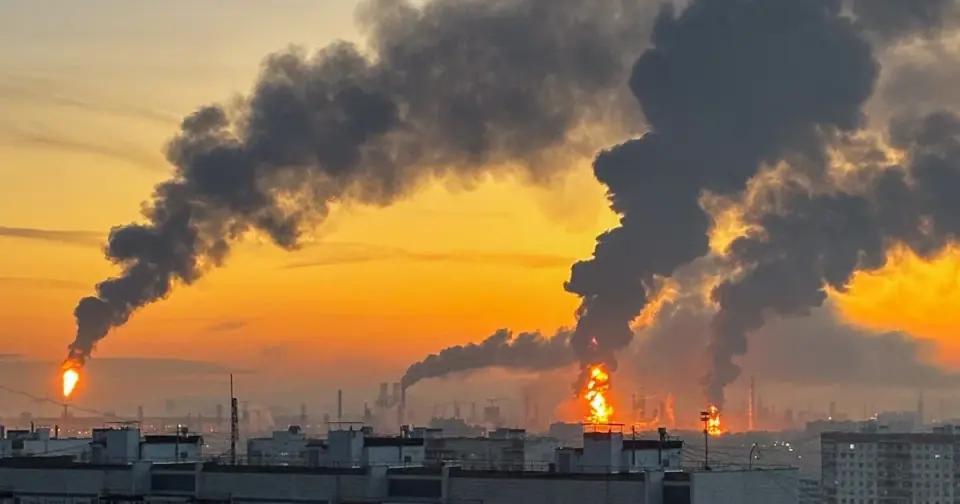
Ukraine has resumed strikes on Russian oil refineries, defying a US-proposed 'energy ceasefire' that Kyiv claims Moscow never agreed to. President Trump labeled the resumption a 'disgrace' and criticized Volodymyr Zelenskyy as 'more difficult to deal with than Putin,' linking the strikes to rising US fuel prices ahead of midterm elections. In response, Zelenskyy sought support from European allies in Brussels, while Washington reportedly restricted Starlink services and intelligence sharing to pressure Kyiv.
Key points
- Zelenskyy announced on Thursday that Ukraine would no longer abide by the US-brokered energy truce, citing Russia's continued attacks on Ukrainian power grids.
- Trump stated in an interview that Zelenskyy's strikes on refineries are raising global oil prices and called the action a 'disgrace,' suggesting Kyiv should target other assets instead.
- Ukraine reported that access to Starlink and Starshield satellite networks was restricted without warning, coinciding with Russian strikes that lacked prior US intelligence alerts.
- Zelenskyy traveled to Brussels to rally European support, describing EU leaders as 'real leaders' and emphasizing the need for continued defense funding and sanctions against Russia.
- The US administration has threatened to halt intelligence sharing and potentially suspend weapons sales through NATO if Ukraine continues targeting Russian energy infrastructure.
Background
This escalation follows a series of recent developments where the US attempted to broker a ceasefire to lower fuel prices before the midterm elections. Previous coverage noted that the US-Russia diesel deal reversed years of policy, and that earlier tensions included US officials dismissing the rift as 'noise' while Ukraine faced significant energy grid attacks. The current situation marks a sharp deterioration in US-Ukraine relations, moving from diplomatic friction to potential suspension of critical military support.
How outlets are covering it
NBC News and The Guardian emphasize the diplomatic fallout, highlighting Trump's personal criticism of Zelenskyy and the US pressure tactics involving Starlink and intelligence sharing. BBC focuses on the European response, noting that EU leaders like Ursula von der Leyen and António Costa reaffirmed support for Ukraine and promised new sanctions against Russia, contrasting with the US stance. Axios provides a more critical view of the US strategy, describing the 'refinery for refinery' proposal as lopsided and noting that White House officials warned Ukraine that its actions were damaging its relationship with Washington more than they were hurting Russia. All sources agree that the 'energy ceasefire' was not mutually agreed upon by Moscow or Kyiv, but they differ on the efficacy of US pressure, with European outlets viewing it as counterproductive and US-centric sources viewing it as necessary for domestic economic stability.
Why it matters
The collapse of the energy ceasefire and the potential suspension of US military support signal a significant shift in the US approach to the war, prioritizing domestic fuel prices over allied defense needs. This could embolden Russia to continue its attacks on Ukrainian infrastructure while forcing Ukraine to rely more heavily on European support, potentially altering the balance of power and the trajectory of peace negotiations.
What to watch
Expect continued friction between Washington and Kyiv as the US evaluates whether to suspend intelligence sharing or weapons sales. European leaders are likely to accelerate their own sanctions and funding packages to fill the potential gap left by US pressure. The situation may also lead to further diplomatic isolation of the US from its European allies, who view the US-Russia diesel deal as a betrayal of Ukraine's defense efforts.
- Trump says Ukraine resuming strikes on Russian oil sites is a ‘disgrace’ NBC News
- Zelensky rallies EU support as Trump says Ukraine leader 'more difficult to deal with than Putin' BBC
- Trump calls Ukraine’s renewed strikes on Russian oil refineries ‘a disgrace’ The Guardian
- Trump bears down on Zelensky as Russia keeps up attacks on Ukraine Axios
- Ukraine's resumption of strikes on Russian refineries is 'disgrace', Trump says Reuters
Want the full story? Read the original reporting
Read on NBC News