
Ukraine resumes oil strikes with 1,000-drone assault on St. Petersburg
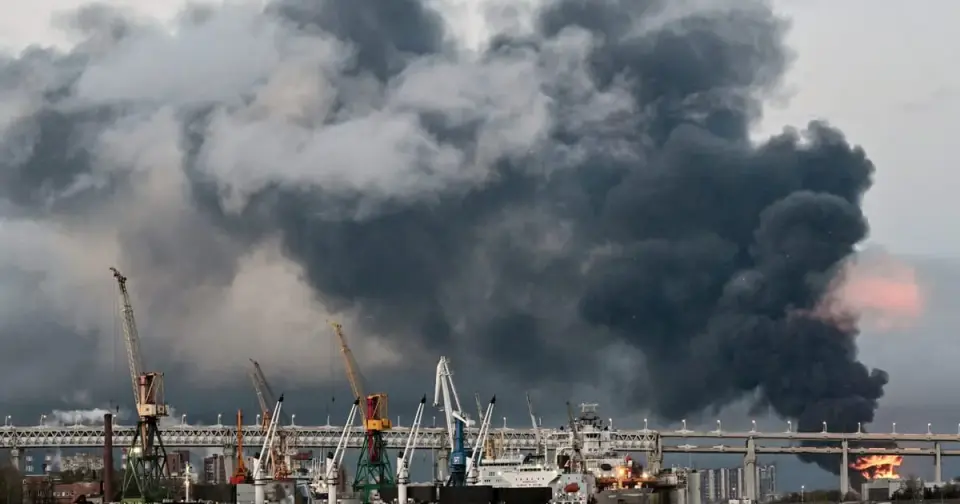
Ukraine launched its largest drone attack of the year on Sunday, October 18, targeting oil infrastructure in St. Petersburg and Moscow. Russian officials reported over 1,000 drones intercepted, with one fatality and five injuries in St. Petersburg. The strike follows a brief pause in Ukrainian refinery attacks that was linked to a US-brokered energy ceasefire. President Zelenskyy accused Russia of ignoring the truce while continuing massive attacks on Ukrainian power grids, which left tens of thousands without electricity.
Key points
- Ukraine struck the St. Petersburg oil terminal, the Ruchyi oil depot, and industrial warehouses in the Kolpino district, causing one death and five injuries.
- Russia’s Ministry of Defense reported shooting down approximately 1,015 drones near Moscow and other western regions, describing it as one of the largest attacks of the war.
- The assault resumed after a three-day pause in Ukrainian strikes on Russian refineries, which had been coordinated with a US-brokered energy ceasefire.
- Zelenskyy stated that Russia launched nearly 2,700 drones, 1,700 bombs, and 66 missiles against Ukraine in the past week, primarily targeting energy facilities.
- A suspected drone self-detonated in Lithuania near the Latvian border, prompting NATO fighter jets to scramble and a joint investigation with Poland.
Background
This escalation follows a series of massive drone barrages in October 2026, including a 1,750-drone attack on Moscow on October 7 and another on October 14 that grounded airports and struck data centers. The current strikes mark a return to targeting Russian oil infrastructure after a temporary pause linked to US diplomatic efforts.
How outlets are covering it
Politico and ABC News emphasize the direct link between the resumed strikes and the collapse of the US-brokered energy ceasefire, noting that Russia continued attacking Ukrainian energy grids despite the truce. CNN highlights the scale of the operation as a direct defiance of President Trump’s pressure to halt attacks. ABC News also notes that Ukraine reported disruptions to Starlink internet services for its drones, raising concerns about US intelligence sharing. All sources agree that the attack was the largest of the year, but they differ on the emphasis: Politico focuses on the diplomatic breakdown, while ABC News highlights the broader context of US sanctions waivers and internal Ukrainian concerns about US support.
Why it matters
The resumption of strikes on Russian oil infrastructure signals a significant escalation in the conflict and a breakdown in US-mediated diplomatic efforts. It highlights the deepening rift between Ukraine and the US administration, as well as the vulnerability of Russian energy infrastructure to long-range drone attacks. The incident also raises questions about the reliability of US support for Ukraine, including potential restrictions on Starlink and intelligence sharing.
What to watch
Expect continued escalation in drone warfare on both sides, with Russia likely increasing attacks on Ukrainian energy infrastructure. The US may face pressure to reconsider its sanctions policy and support for Ukraine, while NATO may need to address the security implications of drone incidents in Baltic states.
- Ukraine strikes oil facility in St. Petersburg as part of ‘massive’ drone attack POLITICO.eu
- Ukraine defies Trump and launches one of its biggest drone attacks on Russia this year CNN
- Ukraine targets Russia with more than 1,000 drones, striking oil terminal in St. Petersburg ABC News - Breaking News, Latest News and Videos
- Ukraine Strikes Russian Oil Terminal, as Starshield Disruptions Persist The New York Times
- Blaze at St Petersburg oil sites as Kyiv launches more than 1,000 drones at Russia AP News
Want the full story? Read the original reporting
Read on POLITICO.eu