
US Forces Disable St. Kitts Ship in Gulf of Oman Amidst Rising Tensions
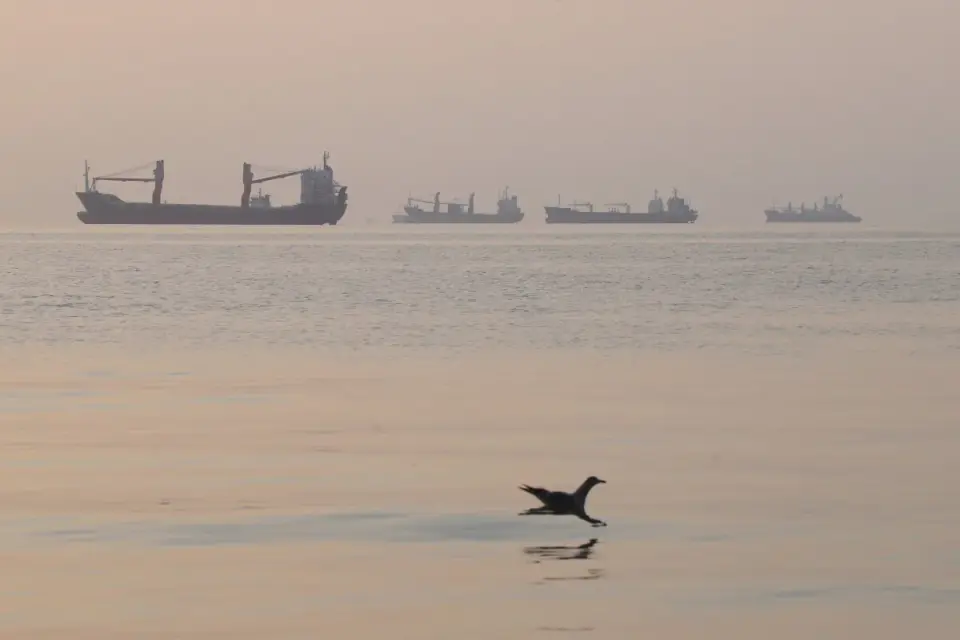
U.S. Central Command confirmed the disabling of a St. Kitts-flagged vessel in the Gulf of Oman after it attempted to breach a naval blockade. This incident follows recent unconfirmed strikes and explosions reported in Iranian ports, occurring as President Trump signals potential escalation after the midterm elections.
Key points
- U.S. Central Command disabled a St. Kitts-flagged ship in the Gulf of Oman after it ignored warnings and attempted to leave the region following a visit to an Iranian port.
- The incident occurred during an ongoing U.S. naval blockade of Iran in the Strait of Hormuz, with the last confirmed strike on a cargo vessel happening nearly a month prior.
- Iranian state media reported explosions on Qeshm Island and in the port of Jask, while the Iranian military claimed two tankers hit mines in the Hormuz area and caught fire.
- President Trump described new limited strikes on an Iranian air defense system as 'minor' but declined to comment on the specific action through U.S. Central Command.
- The events follow the U.S. midterm elections on Nov. 3, with Trump having previously indicated consideration of a new wave of strikes against Iran.
Background
The current conflict has persisted for over eight months, significantly impacting global markets and diplomatic efforts. Previous archive coverage indicates that U.S. naval escorts have restored Gulf oil flows to near pre-war levels, though Iran's own exports remain near zero due to the blockade. Analysts have warned that while the U.S. has restored flow, the situation remains unstable, with Iran potentially escalating through a 'scorched earth' campaign if diplomatic off-ramps are rejected. In October, the Strait of Hormuz saw the most attacks on commercial ships since March, as Iran attempted to increase economic pressure on the U.S. to lift the blockade.
Why it matters
The disabling of the commercial vessel and the reported explosions in Iranian ports signal a potential escalation in the eight-month-old conflict. With global markets already rattled by the war and diplomatic efforts stalled, any further military action could disrupt the fragile recovery of oil flows and intensify regional instability. The timing, shortly after the U.S. midterm elections, suggests a shift in U.S. strategic posture regarding the blockade and potential full-scale operations against Iran.
What to watch
U.S. Central Command has not yet responded to requests for comment regarding the explosions in Jask and Qeshm Island. President Trump has indicated he is considering launching a new wave of strikes on Iran, with the Middle East on edge about the prospects of resuming full-scale operations. The outcome of diplomatic efforts to end the war remains uncertain, with Iran continuing to threaten shipping and reject U.S. demands for a nuclear deal.
Want the full story? Read the original reporting
Read on AP News