
US Military Readies Major Iran Strikes as Trump Weighs Deal Before Midterms
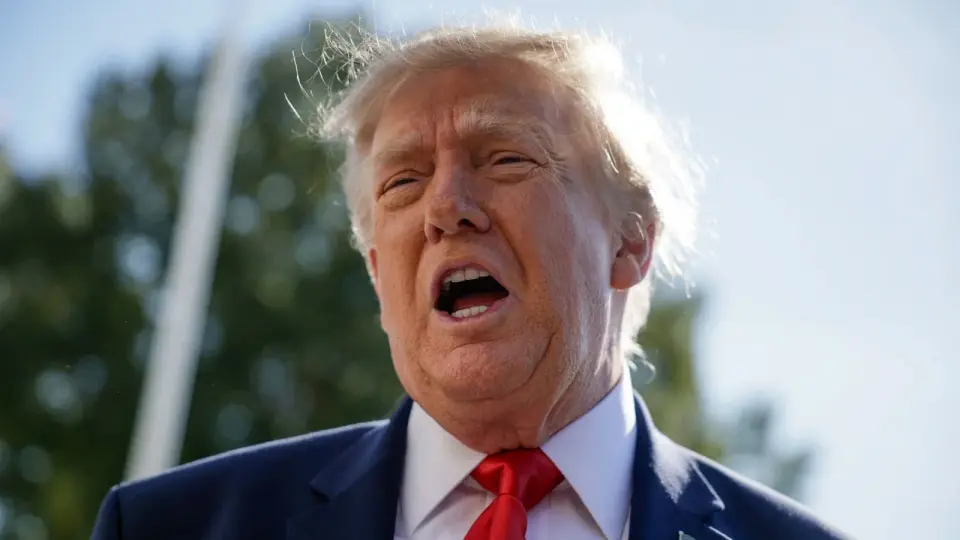
US President Donald Trump is deciding whether to negotiate with Iran or resume major military strikes before the November 3 midterm elections. US forces are prepared to launch significant operations within 96 hours of an order, targeting nuclear and energy infrastructure. Diplomatic efforts by Qatar, Saudi Arabia, Turkey, and Pakistan are underway in Tehran to de-escalate tensions, while the Strait of Hormuz remains a critical flashpoint for global energy supplies.
Key points
- Trump stated he is nearing a decision to either 'make a deal' or 'finish it off' regarding Iran, with a potential go-order expected after the US midterms.
- US officials confirm forces are deployed to execute major strikes within 96 hours, targeting nuclear sites like Pickaxe Mountain, energy infrastructure, and military assets.
- Qatari mediators visited Tehran on Sunday, while Saudi Arabia, Turkey, and Pakistan are holding security talks in Tehran to de-escalate the conflict.
- The Strait of Hormuz remains a major flashpoint; CENTCOM claims 3,000 commercial vessels have transited the strait under US protection, though oil prices remain elevated.
- Israel has delayed its own strikes until after the US midterms to coordinate joint operations, as Israeli leaders fear domestic political fallout from immediate action.
Background
Tensions have escalated since the last confirmed US strikes on Iran on September 1, following a broader US-Israeli war that began in February 2026. Previous diplomatic efforts stalled, leading to a US naval blockade of Iranian ports and Houthi attacks on Saudi Arabia. The current situation follows a period of heightened military preparation, including the deployment of the USS Theodore Roosevelt carrier group and Israeli fighter jet exercises over Iraq.
How outlets are covering it
CNBC emphasizes Trump's public indecision and the diplomatic efforts by regional powers, noting that the Strait of Hormuz remains a flashpoint despite claims of restored trade. CNN highlights the military readiness, stating that US forces are prepared for a 'big effort' beyond minor strikes, and notes that Israel has been pushed to delay its own attacks until after the US midterms to allow for joint operations. Al Jazeera focuses on the broader regional impact, including Houthi attacks on Saudi Arabia and the displacement of Palestinians in the West Bank, while also noting Iran's claim that the US has entered a 'quagmire' due to miscalculations in the war.
Why it matters
The potential resumption of US-Iran military strikes could significantly disrupt global energy markets and supply chains, particularly through the Strait of Hormuz. The timing of any action, likely after the US midterms, could have profound implications for regional stability and US domestic politics. Diplomatic efforts by regional powers may offer an alternative to military escalation, but the risk of immediate retaliation from Iran and the Houthis remains high.
What to watch
Watch for any official announcement from the White House regarding a decision on Iran, likely after the November 3 US midterms. Monitor diplomatic developments from the meetings in Tehran involving Qatar, Saudi Arabia, Turkey, and Pakistan. Track oil prices and shipping traffic in the Strait of Hormuz for signs of further disruption or stabilization.
- Trump says he'll soon decide whether to ‘make a deal’ with Iran or ‘finish it off' CNBC
- US has plans for major Iran strikes if Trump chooses CNN
- A New Level of Threat and Fear Risks Pushing the U.S. and Iran Back to Full War The New York Times
- Iran war updates: Trump says no strike today; Qatari mediators visit Tehran Al Jazeera
- Aboard USS George Washington as It Rearms for Possible Iran Strikes WSJ
Want the full story? Read the original reporting
Read on CNBC