
US Energy Secretary Signals Shift from Diplomacy to Destruction in Iran Conflict
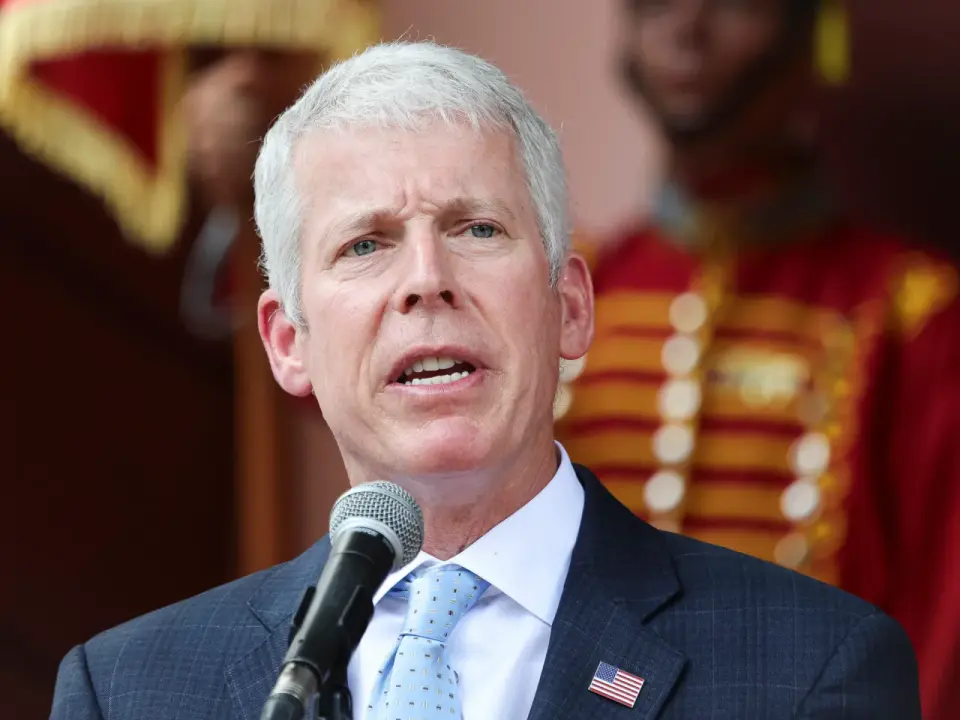
US Energy Secretary Chris Wright stated on September 6 that a nuclear agreement with Iran may not happen, suggesting the US will instead destroy Iranian nuclear capabilities. This follows the collapse of a July ceasefire and renewed strikes on Iranian oil infrastructure.
Key points
- Chris Wright told ABC News that a nuclear deal 'may not' happen and that the US might simply destroy Iran's capabilities to build weapons.
- Wright indicated a deal might only be possible under a future Iranian administration, noting the current regime's intransigence.
- The US struck three Iranian oil tankers in retaliation for Iranian missile attacks on US Navy ships, with no US personnel harmed.
- Iran's parliament speaker warned of 'faster, heavier, and more painful' responses to future violations of its security.
- The White House continues to downplay the conflict, with Trump calling it 'small potatoes' and Vance refusing to label it a war.
Background
The US and Israel launched a war on Iran on February 28, 2026. A ceasefire and memorandum of understanding were signed in June but collapsed in July, leading to resumed hostilities. Previous attempts at regime change, including a Mossad-CIA plan, were halted or reorganized in August. The conflict has severely impacted global oil prices and Iran's economy, with GDP contracting by 2.7% and inflation reaching 62.2%.
How outlets are covering it
Al Jazeera and The Washington Post emphasize the shift from diplomatic hopes to military destruction, noting Wright's comments signal dimming prospects for a deal. CNBC highlights the economic strangulation strategy, with Treasury Secretary Scott Bessent's 'Operation Economic Outcast' and the impact on Iran's oil exports. Politico focuses on the semantic distinction between 'conflict' and 'war' used by US officials to minimize the situation. Iranian officials, including parliament speaker Mohammad Bagher Ghalibaf, acknowledge severe economic pressure but warn of escalated military responses.
Why it matters
The US pivot from seeking a nuclear deal to destroying infrastructure signals a long-term, potentially open-ended conflict. This affects global energy markets, as the Strait of Hormuz remains effectively shut, and raises the risk of wider regional escalation involving US allies and Iranian proxies.
What to watch
The US will likely continue strikes on Iranian nuclear and oil infrastructure. Iran may announce a new restriction zone in the Strait of Hormuz. Diplomatic efforts are stalled, with any potential deal deferred to a future Iranian administration. The economic pressure on Iran is expected to intensify, potentially leading to further internal instability or regime change.
- Trump official says ‘there may not be a nuclear agreement’ with Iran Al Jazeera
- U.S. Energy Secretary Wright says Iran nuclear deal may never happen CNBC
- U.S. energy secretary says Iran nuclear deal ‘may not’ happen anytime soon The Washington Post
- Wright says Iran war worth it to ‘reset’ Middle East thehill.com
- Chris Wright says US is in a ‘conflict’ with Iran politico.com
Want the full story? Read the original reporting
Read on Al Jazeera