
US Halts Iran Talks, Maintains Naval Blockade as Hormuz Shipping Remains Disrupted
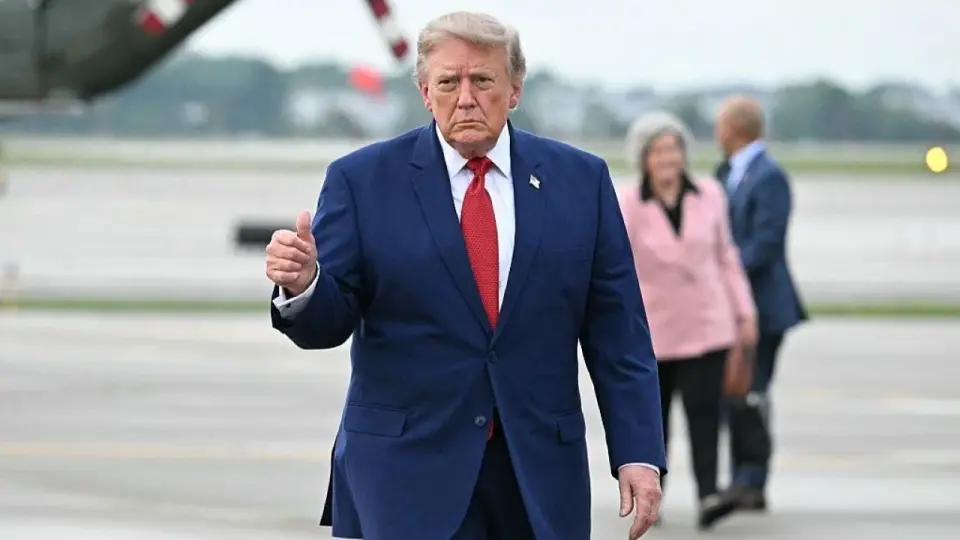
President Trump has suspended diplomatic negotiations with Iran, declaring the naval blockade of Iranian ports remains in full effect. While the White House asserts the US military is ready to defeat any threat, Pentagon officials acknowledge that munitions stockpiles are strained after six months of conflict. The standoff follows the expiration of a 60-day ceasefire deal in June, with both sides refusing to make concessions. Traffic through the Strait of Hormuz remains minimal, and new sanctions are expected this week as the US shifts strategy from immediate confrontation to long-term economic pressure.
Key points
- Trump ordered envoys, including VP Vance and Jared Kushner, to halt conversations with Tehran, stating no talks are currently scheduled.
- Pentagon Under Secretary Michael Duffey affirmed US readiness to defeat any threat but admitted the administration is accelerating production to replenish depleted missile reserves.
- The 60-day ceasefire agreement signed in June expired without a follow-on deal, leading to a prolonged standoff.
- Traffic through the Strait of Hormuz remains near a standstill, with only three vessels transiting recently, despite Trump’s claim that the strait is open.
- The US is expected to impose new crushing sanctions on Iran this week to force Tehran to accept US terms.
Background
This escalation follows months of tension, including a June ceasefire that collapsed and subsequent concerns over US missile shortages. Earlier reports indicated the Pentagon requested $67 billion to replace munitions depleted by the Iran war, while Trump previously defended the adequacy of stockpiles. The current diplomatic freeze marks a shift from the 'hammer Iran ASAP' approach to a strategy of strangling Iran economically over time.
How outlets are covering it
Fox News emphasizes the Pentagon’s confidence in military readiness and the administration’s commitment to rebuilding the defense industrial base, framing the blockade as a necessary measure. CNN highlights the strategic shift to 'disengage' and 'strangle' Iran, noting internal White House frustration with Oman’s negotiations and the lack of progress in talks. CNBC focuses on the economic and logistical realities, citing the expiration of the ceasefire, minimal shipping traffic, and the potential for a prolonged standoff that could delay peace until year-end. While Fox portrays the situation as a display of strength, CNN and CNBC underscore the practical limitations and the risk of a drawn-out conflict.
Why it matters
The suspension of talks and maintenance of the naval blockade signal a hardening of the US position, potentially prolonging the conflict and increasing economic pressure on Iran. The strain on US munitions stockpiles raises concerns about long-term military readiness, while the continued disruption of the Strait of Hormuz threatens global oil supply and market stability. This standoff could set a precedent for future US-Iran relations and impact regional alliances, particularly with Oman, which has been caught in the middle of the dispute.
What to watch
The US is expected to impose new sanctions on Iran this week, aiming to force Tehran to accept US terms for ending the war. Military officials, including Defense Secretary Pete Hegseth, have stated that American forces are prepared to enforce the blockade indefinitely. The outcome of the standoff will depend on whether Iran yields to economic pressure or if the US faces growing domestic pressure to negotiate an exit. Any recovery in Hormuz flows is likely to be partial, and the risk of renewed flare-ups remains high.
- Trump says Iran blockade remains in effect as Pentagon addresses stockpile concerns Fox News
- Trump tries a new approach in Iran war: Disengage CNN
- Hormuz Strait to remain shut until U.S. meets interim deal conditions, Iran says Reuters
- Trump Labels Map Of Strait Of Hormuz ‘New U.S. Territory’ After Passing 60-Day Deadline For Deal Forbes
- Trump says no talks scheduled with Iran as he teases action in Hormuz Strait CNBC
Want the full story? Read the original reporting
Read on Fox News