
U.S. Withdraws B-1 Bombers from UK Base Amid Alleged Iranian Terror Plot
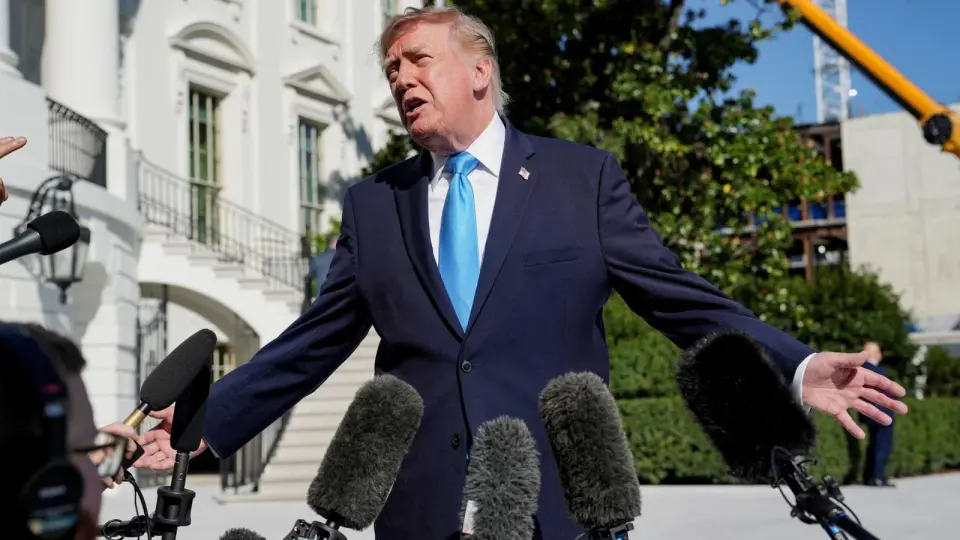
The United States abruptly withdrew all 12 B-1 bombers from RAF Fairford in the United Kingdom over the weekend, citing security concerns. President Trump attributed the move to threats linked to Iran, while officials described a complex plot involving potential drone attacks and explosives. The withdrawal ends the base’s role as a launchpad for strikes on Iran, which began in February, and returns the aircraft to their home bases in the US.
Key points
- All 12 B-1 bombers were redeployed from RAF Fairford to US home bases over the weekend.
- President Trump stated the move was a response to threats linked to Iran, noting the low cost of relocation.
- US and British officials described a multipronged Iranian plot involving drones and explosives targeting the base and personnel.
- Secretary of State Marco Rubio initially downplayed the link, describing the move as a routine rotation.
- The withdrawal ends RAF Fairford’s role as a forward operating location for US strikes on Iran since February 28.
Background
This development occurs amid ongoing tensions between the US and Iran, including a naval blockade of the Strait of Hormuz and stalled diplomatic talks. In late September, Iranian President Masoud Pezeshkian defied US threats of 'annihilation' at the UN, while indirect talks yielded no breakthrough. The US had been using RAF Fairford as a key launchpad for strikes on Iran since February 28, with missions lasting over 30 hours round-trip.
How outlets are covering it
Outlets differ on the immediacy and nature of the threat. The New York Times, citing anonymous officials, detailed a specific plot involving drones modeled on a previous Ukrainian attack on Russia, aimed at killing personnel and destroying aircraft. CNBC and Axios focused on Trump’s public justification, emphasizing his attribution of the threat to Iran. Al Jazeera provided broader context on US bomber logistics, noting that while the B-1s have left, other bomber types remain in Europe. Notably, Secretary of State Marco Rubio initially dismissed the security link, calling the move a standard rotation, which contrasts with the urgent tone of the withdrawal described by military officials.
Why it matters
The withdrawal signals a shift in US force posture in Europe, potentially reducing the speed of response for strikes against Iran. It also highlights vulnerabilities in forward-deployed US assets and the impact of intelligence on operational decisions. The incident may strain US-UK relations if the threat assessment is disputed, and it underscores the ongoing risks of the US-Iran conflict spilling into allied territories.
What to watch
The US Air Force will likely reassess its forward-deployment strategy in Europe, potentially relying more on aerial refueling from US bases or other locations like Diego Garcia. Investigations into the alleged terror plot in the UK will continue, with six individuals already arrested and released on bail. Diplomatic tensions with Iran may escalate, particularly if the US publicizes the threat, while the UK may review security protocols at its airbases.
- 'We had a threat': Trump explains U.S. moving long-range bombers from UK CNBC
- Potential Iranian Drone Attack Led to Exit of U.S. Aircraft From British Air Base The New York Times
- UK police make further arrest over suspected Fairford airbase plot Reuters
- Mapping where US bombers are based globally Al Jazeera
- U.S. B-1 bombers evacuated from UK base because of threat of Iranian drone attack axios.com
Want the full story? Read the original reporting
Read on CNBC