
Vance’s Diplomatic Bid to Iran Faces Skepticism Amid Trump’s War Threats
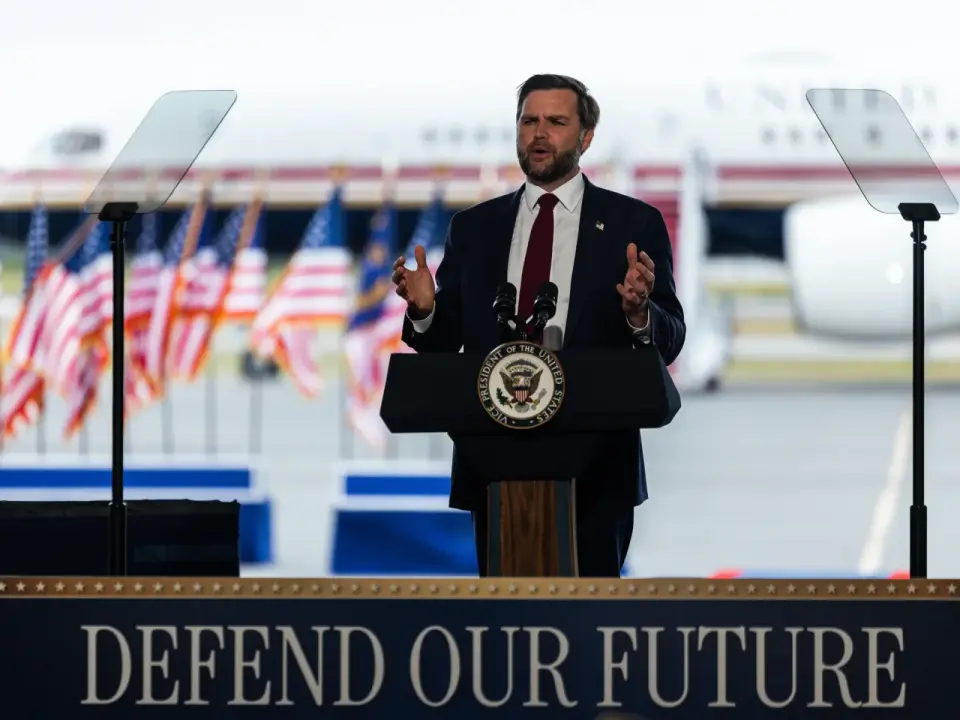
US Vice President JD Vance sent a letter to Iran’s security chief Mohsen Rezaei proposing immediate peace talks, including discussions on Iran’s nuclear program. The outreach, delivered via Qatari mediators, was reportedly received positively by Tehran, with a formal response expected by Thursday. However, analysts remain skeptical due to President Trump’s recent warnings to Gulf allies to prepare for a potential military strike after the US midterm elections. While Vance is viewed as a more cautious voice within the administration, Iran questions his ability to override Trump’s decisions.
Key points
- Vance’s letter proposed a framework for negotiations rather than specific peace terms, with Iran’s nuclear program to be discussed from the outset.
- Iran’s Foreign Minister Abbas Araghchi stated that Tehran continues to give diplomacy a chance, though no official public response has been issued yet.
- Trump warned Gulf allies to prepare for a brief, high-intensity military campaign after the November 3 midterm elections, potentially referred to as 'Epic Fury'.
- Iran has warned that any renewed US-Israeli attacks could trigger strikes on oil sites, undersea cables, and data centers across the Gulf.
- Analysts note that while Vance is seen as a more credible messenger, his influence is limited by Trump’s unpredictable decision-making.
Background
This diplomatic effort follows a period of heightened tensions, including a US naval blockade of Iran and previous failed ceasefire attempts. In September, Rezaei outlined conditions for a ceasefire, including the release of frozen funds and lifting the naval blockade. Recent intelligence reports have also highlighted advanced Iranian plots against Americans, further complicating the diplomatic landscape.
How outlets are covering it
The Wall Street Journal emphasizes that Vance’s letter aimed to find common ground to prevent a final order for a military attack, while The New York Times highlights the proposal for immediate comprehensive talks. Axios notes the focus on the nuclear program. Analysts like Hamidreza Azizi and Ali Vaez from the International Crisis Group argue that while Vance is a more cautious voice, Iran remains skeptical due to Trump’s unpredictable nature. Rouzbeh Parsi from Lund University suggests that Iran doubts Vance’s ability to deliver concrete results without Trump’s full support.
Why it matters
The outcome of these negotiations could determine whether the US and Iran move toward peace or escalate into a new, potentially devastating military conflict. The timing, just before the US midterm elections, adds political pressure on Trump to act, while Iran’s warnings of retaliatory strikes on critical infrastructure in the Gulf highlight the high stakes for regional stability.
What to watch
Iran’s formal response to Vance’s letter is expected by Thursday. If accepted, negotiations could begin as soon as next week in Qatar or Turkiye. The US midterm elections on November 3 are seen as a critical deadline, after which Trump may be more inclined to authorize military action.
- What we know of Vance’s letter to Rezaei, as Trump warns Gulf to ‘prepare’ Al Jazeera
- Exclusive | Vance Reaches Out to Iranian Hard-Liner in Bid to Restart Peace Talks WSJ
- Vance tells top Iranian official negotiations must address nuclear program Axios
- Vance Proposes Restarting Peace Talks in Outreach to Iranian Official The New York Times
- Trump Says Vance Reached Out to Iran to Offer Medical Supplies Bloomberg.com
Want the full story? Read the original reporting
Read on Al Jazeera