
Western Intelligence Warns Russia May Launch Nuclear-Armed Satellite Within Weeks
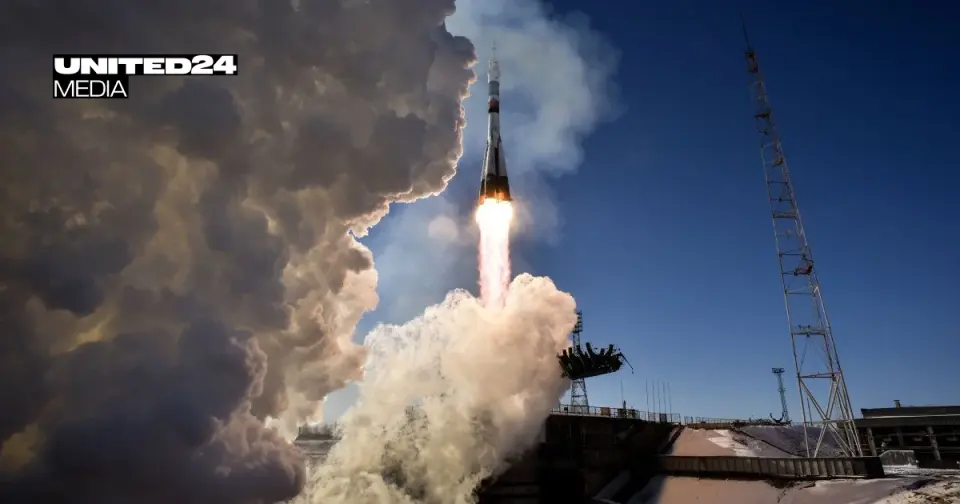
Western intelligence agencies warn that Russia could launch a nuclear-armed satellite, identified as Sputnik-S, into orbit within 60 days. The satellite, reportedly stored near Moscow, would violate the 1967 Outer Space Treaty. A detonation in orbit could disable thousands of satellites, disrupting global communications, navigation, and military operations. US and German officials assess that countering such a weapon once deployed is currently impossible.
Key points
- A joint investigation by German broadcasters WDR, NDR, and newspaper Süddeutsche Zeitung revealed that Russia has completed a satellite named Sputnik-S, which has been stored near Moscow for several years.
- Intelligence warnings circulated among NATO countries in early November suggest Russia could launch the spacecraft within 60 days, with Germany’s Bundeswehr Space Command estimating a possible launch as early as December 2026.
- The satellite is not designed to strike Earth targets; instead, a nuclear explosion in space would generate intense radiation and electromagnetic pulses capable of disabling satellites.
- US Space Command chief Gen. Stephen Whiting warned that such a detonation could disable approximately one-third of satellites in low Earth orbit within hours or days, with additional failures following over subsequent months.
- An October US military intelligence assessment identified Russian efforts to develop this capability, noting that American officials see few effective ways to counter the system once it is deployed in orbit.
- Deploying nuclear weapons in orbit would violate the 1967 Outer Space Treaty, which prohibits placing weapons of mass destruction in space.
Background
This development follows earlier concerns about Russian anti-satellite capabilities. In July 2026, secret documents revealed details of Russia’s satellite killer missile program. In April 2025, NATO chiefs warned that Russia might consider deploying nuclear weapons in space. Additionally, a November 2026 study from the University of Wisconsin–Madison and Princeton University projected that a single high-altitude nuclear blast could disable 99% of low-Earth orbit satellites within 15 days, creating long-term debris issues.
How outlets are covering it
German outlets WDR, NDR, and Süddeutsche Zeitung emphasize the imminent timeline, citing intelligence that the satellite is already assembled and stored. They highlight the lack of defensive countermeasures. The US Defense Intelligence Agency report corroborates the development but frames it within a broader context of Chinese, Iranian, and North Korean space threats. Ukrainian outlet European Pravda focuses on the military threat to the West and the potential for widespread infrastructure failure in Europe, citing German officials. The Russian Embassy rejects all allegations, maintaining that its space activities are legal and peaceful. While Western sources agree on the threat’s severity, they differ on the immediacy, with some citing a 60-day window and others focusing on the long-term strategic implications.
Why it matters
The potential deployment of a nuclear weapon in orbit represents a fundamental shift in global security dynamics. It threatens the infrastructure underpinning modern society, including GPS, banking, and communications. The inability to counter such a weapon once deployed creates a new strategic vulnerability for NATO and its allies. This development also escalates tensions in space, potentially leading to an arms race and increased debris in orbit, which could have long-term environmental and technological consequences.
What to watch
NATO and its member states are likely to increase monitoring of Russian launch activities and satellite movements. The US and European governments may accelerate the development of defensive space capabilities and countermeasures. Diplomatic efforts to address the violation of the Outer Space Treaty may intensify, though enforcement mechanisms remain limited. The situation could also lead to increased cooperation among spacefaring nations to protect critical infrastructure and share intelligence on potential threats.
- Russia Could Put a Nuclear Weapon Into Orbit Within Weeks, Western Intelligence Warns UNITED24 Media
- NATO believes Russia is ready to launch nuclear-armed satellite, German media say Reuters
- Russia is developing a nuclear space weapon, US intelligence report finds Space
- Western intelligence warns that Russia is preparing to deploy nuclear weapons in space Українська правда
- Is Russia About To Launch a Nuclear Armed Satellite? Everything We Know Newsweek
Want the full story? Read the original reporting
Read on UNITED24 Media