
Xi’s State Visit Ends with Symbolic Wins but Core Tech and Security Gaps Remain
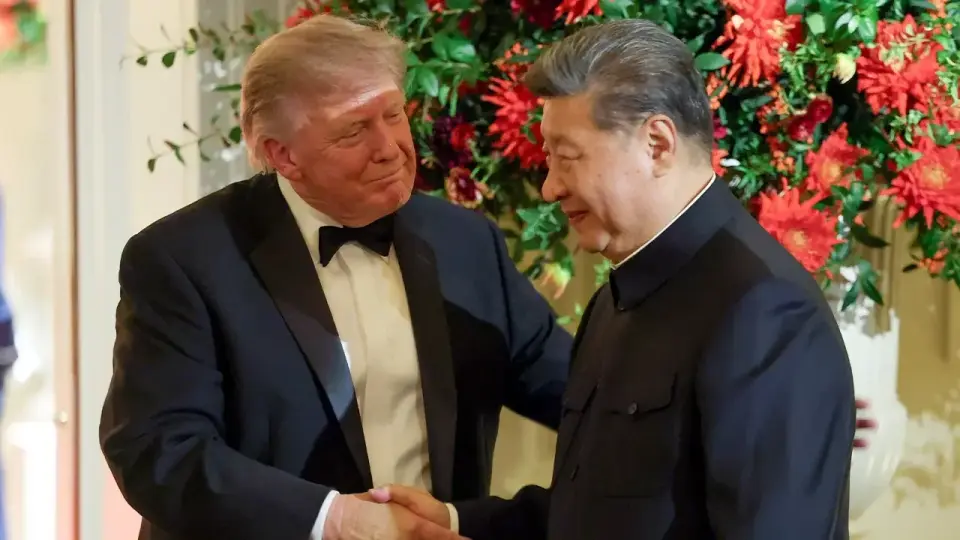
Xi Jinping’s September 2026 state visit to Washington concluded with a symbolic thaw in US-China relations but yielded limited substantive progress. While the two leaders agreed to lower tariffs on $30 billion in goods and established an AI dialogue, critical issues regarding rare earth supply chains, semiconductor restrictions, and Taiwan arms sales remain unresolved. Analysts argue Beijing gained strategic time to advance its technology goals, while Washington secured only incremental progress on fentanyl controls.
Key points
- The summit produced a list of $30 billion in US and Chinese products recommended for lower tariffs, but no immediate cuts were implemented.
- China committed to buying 10 million metric tons of US coal annually in 2027 and 2028, extending the trade truce until January 2027.
- A new 'Super Intelligence Dialogue' was established to manage AI risks, though operational details remain vague.
- China tightened controls on fentanyl precursors and arrested 21 nationals, but the US maintains a 10% tariff on fentanyl-related goods.
- The $14 billion weapons package for Taiwan remains stalled, and China has not fulfilled prior commitments on rare earth exports.
Background
This visit followed a May 2026 summit in Beijing and preceded scheduled meetings in November and December. Previous coverage noted that while a trade truce was extended, core disputes over technology and supply chains persisted. The current summit marked the first Chinese state visit to the US in over a decade, signaling a shift in diplomatic tone despite ongoing strategic competition.
How outlets are covering it
Fox News and CSIS analysts agree that the summit was heavy on symbolism but light on substance. Fox News highlights that Xi gained time to pursue tech self-reliance, while CSIS scholars note the 'fragile' nature of the truce. Gordon Chang, a China analyst, criticized the lavish reception as legitimizing a rival state. Conversely, CSIS experts like J. Stephen Morrison praised tangible progress on fentanyl, noting a 50% decline in US overdose deaths. However, all sources concur that critical minerals and AI governance remain unresolved, with the US intelligence community still citing China as the 'most active cyber threat.'
Why it matters
The outcome tests whether personal diplomacy can resolve structural US-China competition. If core issues like rare earth supply and Taiwan security remain unaddressed, the trade truce may collapse, impacting global supply chains and regional stability. The lack of progress on AI safety also raises concerns about unregulated technological development.
What to watch
The US and China will meet again at the APEC summit in Shenzhen in November and the G20 in Miami in December. The US is expected to press for permanent restrictions on fentanyl precursors and resolution of rare earth export issues. The $14 billion Taiwan arms package may be approved in the coming months, potentially straining US-China relations further.
- Real winner of Xi summit revealed as Trump looks to usher in new era with China Fox News
- What Xi’s Grip on His Wife’s Hand Tells Us About Power in China WSJ
- Seth Meyers takes 'A Closer Look' at Trump's ballroom tour for Xi Jinping Mashable
- Trump and Xi's 'stalemate' summit was a glitzy gift to China Reuters
- Takeaways from the Trump-Xi White House Summit CSIS | Center for Strategic and International Studies
Want the full story? Read the original reporting
Read on Fox News