
Bessent Secures 19-Nation G20 Consensus on Trade Imbalances, Blames China for Dissent
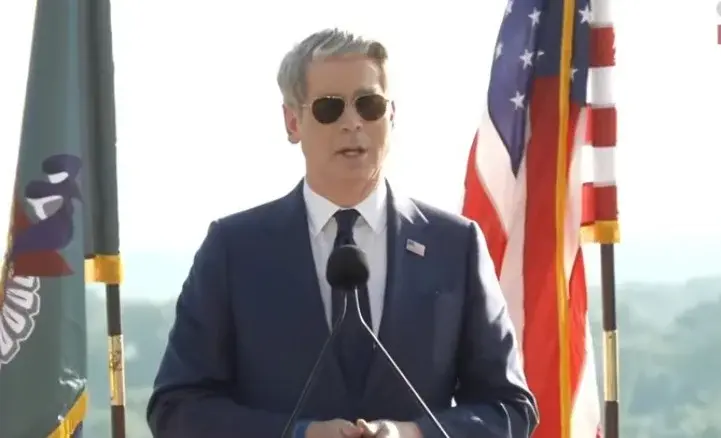
Treasury Secretary Scott Bessent announced that 19 of 20 G20 members agreed on a joint communique addressing unsustainable trade imbalances, with China identified as the sole dissenter. The U.S. delegation emphasized growth, deregulation, and private-sector engagement, while pressing allies to support economic pressure on Iran. Despite the consensus, European and Canadian officials voiced concerns regarding U.S. tariffs and currency interventions.
Key points
- Bessent stated that 19 G20 nations agreed on a communique addressing non-market-based economies and cheap export imbalances, with China refusing to sign.
- The U.S. highlighted gains in energy production, AI leadership, and manufacturing investment, citing full expensing of equipment as a driver of industrial growth.
- Bessent claimed allies support efforts to 'economically asphyxiate' Iran, noting that China and Russia have engaged in quiet diplomatic conversations regarding the Strait of Hormuz.
- The U.S. introduced private-sector business leaders to G20 discussions for the first time, aiming to align policy with practical investment barriers.
- Bessent dismissed concerns about elevated Treasury yields, attributing them to strong growth and real wage increases, particularly for lower-income earners.
Background
This meeting followed weeks of U.S. pressure on Iran and ongoing trade tensions with European and Canadian partners. Previous coverage noted Bessent's push for deregulation and growth as a solution to global debt, alongside Federal Reserve Chair Kevin Warsh's focus on secular growth. The summit took place in Asheville, North Carolina, a region recovering from Hurricane Helene, with local officials hoping the event would spur investment.
How outlets are covering it
The Singju Post and The Washington Post presented Bessent's narrative of broad international support for U.S. economic policies and Iran sanctions. In contrast, The New York Times reported that European, Canadian, and other allied officials pushed back against the U.S. approach, criticizing tariffs, the Iran conflict, and a recent U.S. decision to sell euro holdings to support the Japanese yen. WLOS focused on the local economic impact of hosting the summit in Asheville, noting an estimated $20 million in benefits and increased global visibility for the region.
Why it matters
The near-unanimous G20 agreement signals a shift in global economic consensus toward addressing trade imbalances, potentially leading to new trade defenses against Chinese exports. The U.S. strategy of linking economic growth with aggressive foreign policy, including pressure on Iran, may reshape international financial relationships and influence global capital flows.
What to watch
The U.S. expects to translate the G20 principles into national actions within weeks or months. Bessent indicated that a meeting between President Trump and Chinese President Xi Jinping in September will address AI and trade issues. Additionally, the U.S. plans to continue squeezing Iran's economy through sanctions and financial restrictions, with allies offering intelligence and economic support.
- Full Transcript: Scott Bessent’s Speech + Press Briefing At G20 Meeting, Asheville The Singju Post
- At G20 Summit, Some U.S. Allies Push Back on Trump’s Economic Approach The New York Times
- Bessent says U.S. plan to ‘asphyxiate’ Iran’s economy has allies’ support The Washington Post
- G20's final day: Sen. Budd hopes attention to Asheville will lead to investment in WNC WLOS
- Bessent urges G20 to 'get back to the basics' with deregulation and growth-first agenda Fox Business
Want the full story? Read the original reporting
Read on The Singju Post