
Bessent pushes deregulation and Iran sanctions at Asheville G20
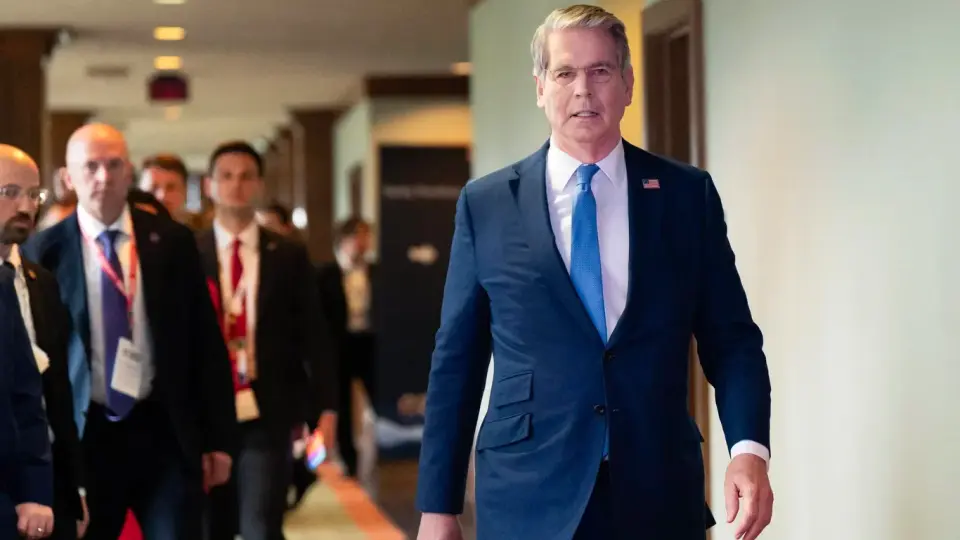
U.S. Treasury Secretary Scott Bessent used the G20 finance meetings in Asheville to advocate for deregulation and private-sector growth, while pressing allies to tighten economic isolation of Iran. Federal Reserve Chair Kevin Warsh noted a shift away from 'secular stagnation' narratives, and Canadian officials downplayed trade tensions despite ongoing U.S. disputes.
Key points
- Bessent argued that G20 nations should adopt U.S.-style deregulation to achieve economic growth, stating that leaders are receptive to this approach.
- The U.S. agenda focused on reducing regulation, addressing trade imbalances, and improving debt restructuring for struggling nations.
- Kevin Warsh, returning to the G20 as a Fed official, stated that 'growth is a choice' and that previous concerns about global savings gluts no longer apply.
- Bessent welcomed EU support for additional economic pressure on Iran, while Canadian Finance Minister François-Philippe Champagne asserted Canada's economy remains stable despite trade conflicts with the U.S.
- French Finance Minister Roland Lescure compared the global economy to Asheville weather, noting unpredictability but hoping for clarity by the end of the day.
Background
This meeting follows earlier G20 sessions where Bessent emphasized U.S. bond strength and proposed weekly secondary sanctions on Iran. Previous coverage highlighted tensions between U.S. tariff policies and global yield volatility, with Bessent reassuring partners about U.S. debt management while pushing for faster sovereign-debt restructuring.
How outlets are covering it
Axios emphasized Bessent's push for deregulation and growth, noting the contrast with Canadian officials' confidence in their own economy despite trade disputes. The Asheville Citizen Times focused on the local impact and presence of international delegates, including officials from India, Germany, and the EU. AP News highlighted Bessent's primary goal of rallying allies to tighten Iran sanctions, framing the meeting as a diplomatic effort to isolate Tehran economically. WLOS reported on the broader economic boost and tourism potential for Asheville, though the source content was largely technical metadata.
Why it matters
The G20 meeting signals a shift in U.S. economic diplomacy toward deregulation and aggressive sanctions, potentially reshaping global trade and financial policies. The divergence in views among allies, such as Canada and the EU, highlights ongoing tensions in international economic cooperation.
What to watch
Watch for the implementation of secondary sanctions on Iran and the response of G20 nations to U.S. deregulation proposals. The outcome of private talks on bond-market dynamics and sovereign-debt restructuring will also be critical in the coming weeks.
- Scott Bessent's message to the G20 Axios
- Trump Live Updates: Bessent Hosts G20 Summit; U.S. Strikes Iran for Second Time in Three Days The New York Times
- G20 puts Asheville on international stage, with hopes for long-term economic boost WLOS
- G20 finance leaders gather in Asheville. See our best photos The Asheville Citizen Times
- Bessent huddles with G20 to try to rally allies on Iran as tariffs strain ties AP News
Want the full story? Read the original reporting
Read on Axios