
Experts debunk turkey coma myth, offer tips for post-Thanksgiving recovery
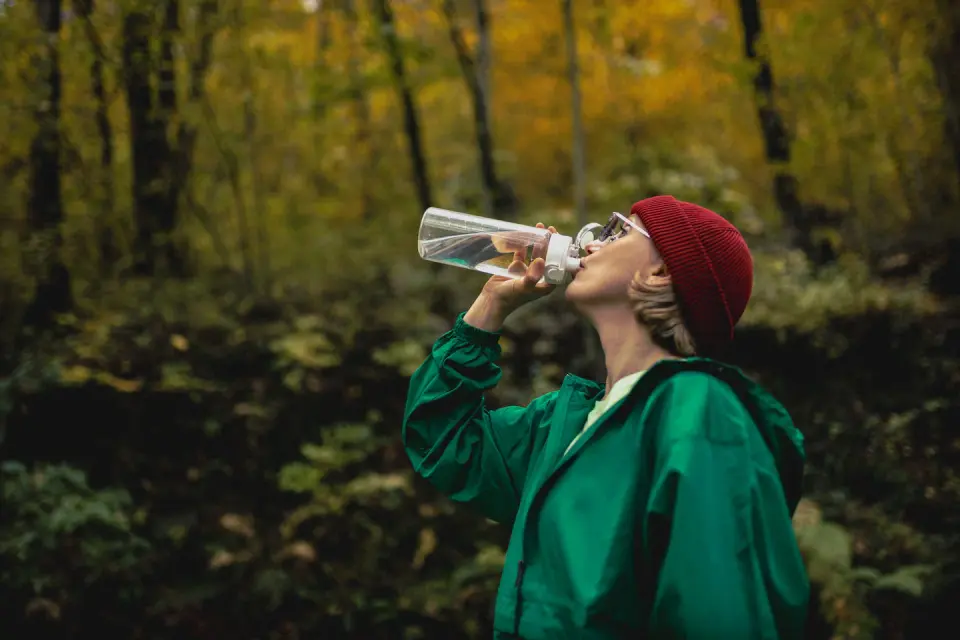
Following the November 26, 2026 Thanksgiving holiday, health experts and media outlets clarified that the post-meal 'food hangover' is not caused by turkey's tryptophan content. Instead, fatigue stems from high carbohydrate intake and overeating. Nutritionists recommend hydration, slow eating, and light physical activity to mitigate bloating and lethargy.
Key points
- The Washington Post published a guide on November 27, 2026, offering three quick actions to alleviate post-Thanksgiving symptoms such as bloating and lethargy.
- AP News and WRAL fact-checked the 'turkey coma' myth, noting that a 3-ounce serving of turkey contains only 250 milligrams of tryptophan, far below the 800 milligrams consumed daily through other foods.
- Nutritionists from Tufts University and Dartmouth attribute post-meal fatigue to rapid blood glucose spikes and drops caused by carbohydrate-rich meals, not tryptophan.
- Virginia Tech expert Stella Volpe advised that physical activity, such as a walk one hour after eating, helps regulate blood sugar and digestion.
- Experts disagree on leftover management: some suggest setting aside leftovers to prevent overeating, while others recommend discarding them immediately to avoid future temptation.
Background
Thanksgiving 2026 occurred on November 26, with Black Friday following on November 27. The holiday is a major travel period in the US, with over 90% of Americans eating turkey. Some Native American communities observe the date as a day of mourning. Prior coverage in November 2026 highlighted tryptophan-rich foods for sleep quality and ranked tofu as a top sustainable protein source.
How outlets are covering it
AP News and WRAL emphasized the scientific debunking of the tryptophan myth, citing specific milligram counts and comparing turkey to other foods like cheese and tuna. The Washington Post focused on practical, immediate remedies for the 'food hangover' experienced the day after the holiday. Virginia Tech’s Stella Volpe highlighted the role of carbohydrate-heavy meals in increasing tryptophan entry into the brain and recommended physical activity as a countermeasure. While all sources agree that turkey is not the sole cause of fatigue, they differ on the best strategies for managing leftovers and preventing overeating.
Why it matters
Understanding the true causes of post-holiday fatigue helps individuals make informed dietary choices and manage expectations around the Thanksgiving meal. Accurate information prevents reliance on myths and promotes healthier habits, such as hydration and physical activity, to mitigate the effects of overeating.
What to watch
As Black Friday and Cyber Monday approach, consumers may focus on shopping and recovery from the holiday. Nutritionists may continue to provide guidance on managing leftovers and maintaining health during the post-holiday period. No specific future events are scheduled, but ongoing wellness coverage is expected.
- Got a food hangover? Do these 3 quick things today to feel better. The Washington Post
- Experts debunk Thanksgiving food myths, from turkey ‘coma’ to risky leftovers AP News
- Does turkey make you tired? Fact-checking claims about Thanksgiving and tryptophan WRAL
- Thanksgiving feast or health warning? Symptoms you shouldn't ignore News12 | Long Island
- Thanksgiving Food Coma Isn't Just Turkey, Nutritionist Says Where The Food Comes From
Want the full story? Read the original reporting
Read on The Washington Post