
HHS Allocates $4.9 Million for Ibogaine PTSD Research
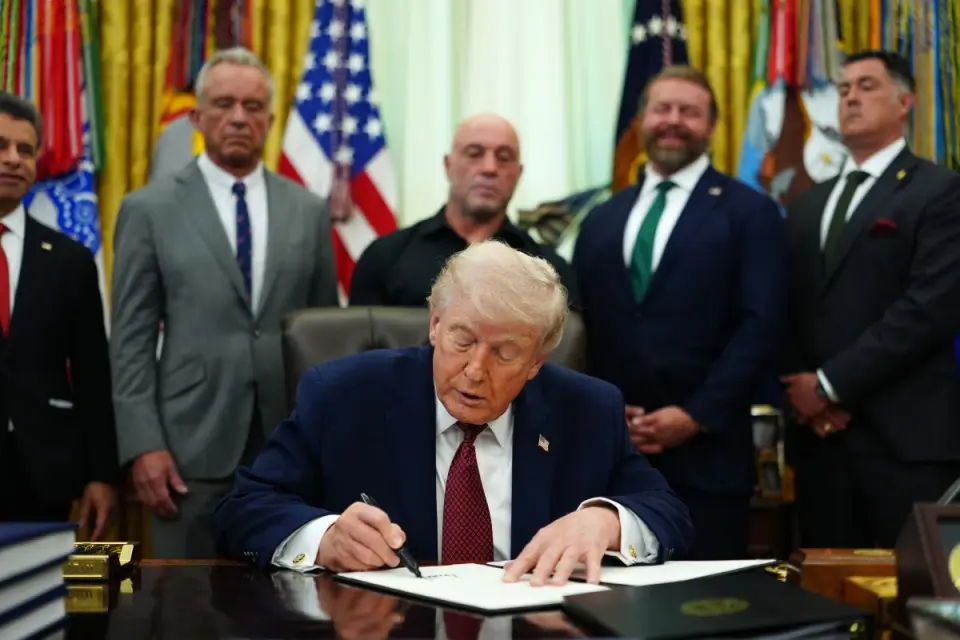
The U.S. Department of Health and Human Services has announced up to $4.9 million in funding to prepare for the first U.S. clinical trials of ibogaine for post-traumatic stress disorder. The money, provided by the Advanced Research Projects Agency for Health, will support manufacturing, dosing, and study design rather than direct patient treatment. Officials aim to accelerate the approval process using data from Texas-based Beond Inc., which has treated over 3,000 patients in Mexico. While advocates highlight the drug’s potential for veterans, experts warn of severe cardiac risks and the need for rigorous safety evaluations.
Key points
- HHS is awarding up to $4.9 million over five years to prepare for U.S. ibogaine studies.
- The funding focuses on manufacturing, dosing, and study design, not direct patient trials.
- Beond Inc. will provide data from over 3,000 patients treated in Mexico.
- Ibogaine remains illegal in the U.S. and carries risks of heart rhythm irregularities.
- Future awards may explore ibogaine for opioid and other substance use disorders.
Background
In April 2026, President Trump signed an executive order directing federal agencies to expedite the review and research of psychedelics for mental health conditions. This move followed public advocacy by figures like Joe Rogan and veterans who have sought treatment abroad. Prior to this announcement, U.S. research on ibogaine had been largely frozen due to its strict legal classification. Meanwhile, the National Institute of Mental Health has separately offered $20 million to support research on rapid-acting psychotropic drugs, including ketamine and psilocybin.
How outlets are covering it
AP News emphasizes the political backing of the initiative, noting support from Health Secretary Robert F. Kennedy Jr. and Veterans Affairs Secretary Doug Collins, who framed the effort as a response to veterans’ urgent needs. Fierce Biotech highlights the strategic approach of ARPA-H, which aims to pursue multiple indications rather than a single path to increase the odds of finding an effective treatment. The Washington Post focuses on the broader context of federal investment in psychedelics, including the $20 million NIMH grant, while noting the safety risks associated with ibogaine. All sources agree on the potential benefits for veterans but differ in emphasis: AP and WaPo highlight the political and advocacy aspects, while Fierce Biotech focuses on the scientific and regulatory strategy.
Why it matters
This funding marks a significant shift in U.S. policy toward psychedelic research, potentially opening the door for new treatments for PTSD and addiction. However, the drug’s severe safety risks and illegal status mean that rigorous evaluation is essential. The move could accelerate the approval process for psychedelics, but it also raises questions about the balance between urgency and scientific rigor.
What to watch
The next steps include the development of an ibogaine-based product for PTSD and future awards for substance use disorders. The FDA is also reviewing other psychedelics, including psilocybin and MDMA, with decisions expected in the coming months. The success of these initiatives will depend on the safety and efficacy data generated from the upcoming studies.
- Trump administration will fund new research on controversial psychedelic drug ibogaine AP News
- ARPA-H bets $4.9 million on ibogaine for PTSD treatment in veterans Fierce Biotech
- WATCH: Trump administration officials announce PTSD research funding for psychedelic drug ibogaine PBS
- Trump administration to invest millions in psychedelics research for mental health The Washington Post
- Ex-Navy pilot: Psychedelic drug saved me, could help other vets’ PTSD Yahoo
Want the full story? Read the original reporting
Read on AP News