
UN Human Rights Council delays US review to January after Washington refuses participation
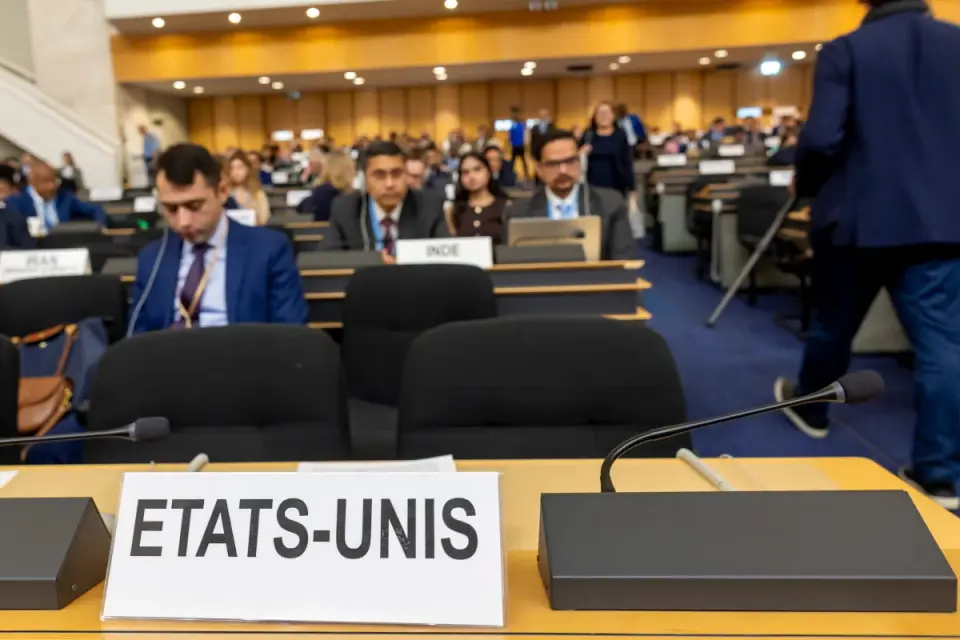
The UN Human Rights Council has agreed to postpone the universal periodic review of the United States' human rights record until January 2027. This decision follows the Trump administration's refusal to participate, marking the first time a UN member state has fully rejected the process. The council cited 'continued non-cooperation' as the reason for the delay, aiming to give Washington more time to reconsider. The US State Department dismissed the council as 'irredeemable' and accused it of anti-American bias. Critics, including the ACLU, warn that this walkout undermines the credibility of the review system and signals a disregard for international human rights norms.
Key points
- The UN Human Rights Council voted by consensus to delay the US universal periodic review from November 2026 to January 2027.
- The US was set to become the first UN member country to fully reject the review process, having skipped its initial appointment in 2025.
- The Trump administration withdrew the US from the Human Rights Council in 2025, citing anti-US and anti-Israel bias.
- A State Department spokesperson called the council 'irredeemable' and accused it of failing to uphold its own values.
- The council stated that the review cannot proceed without national representatives, necessitating the postponement.
- Critics argue the US walkout could encourage other nations to avoid scrutiny and damage the council's credibility.
Background
The US had previously skipped its scheduled review in 2025, with the session pushed to November 2026 in hopes of participation. The Trump administration withdrew the US from the Human Rights Council in 2025, alleging bias against the US and Israel. The universal periodic review process typically examines the rights records of all 193 UN member states every four to five years. Recent US policies, including deportations and targeted killings in the Caribbean and Pacific, have drawn criticism from human rights advocates.
Why it matters
The postponement highlights a significant rift between the US and the UN human rights apparatus. It raises concerns about the integrity of the universal periodic review process and could set a precedent for other nations to avoid international scrutiny. The US refusal to engage may undermine the council's authority and the broader framework for holding governments accountable for human rights violations.
What to watch
The council will attempt to engage the US government again before the January 2027 review. Human rights groups, including the ACLU, are calling on the UN human rights chief to present an update on US rights conditions early next year. The outcome of the January session will determine whether the US participates or if the review is further delayed or cancelled.
Want the full story? Read the original reporting
Read on AP News