
U.S.-Ukraine Relations Hit New Low as Trump Shifts Focus to Moscow
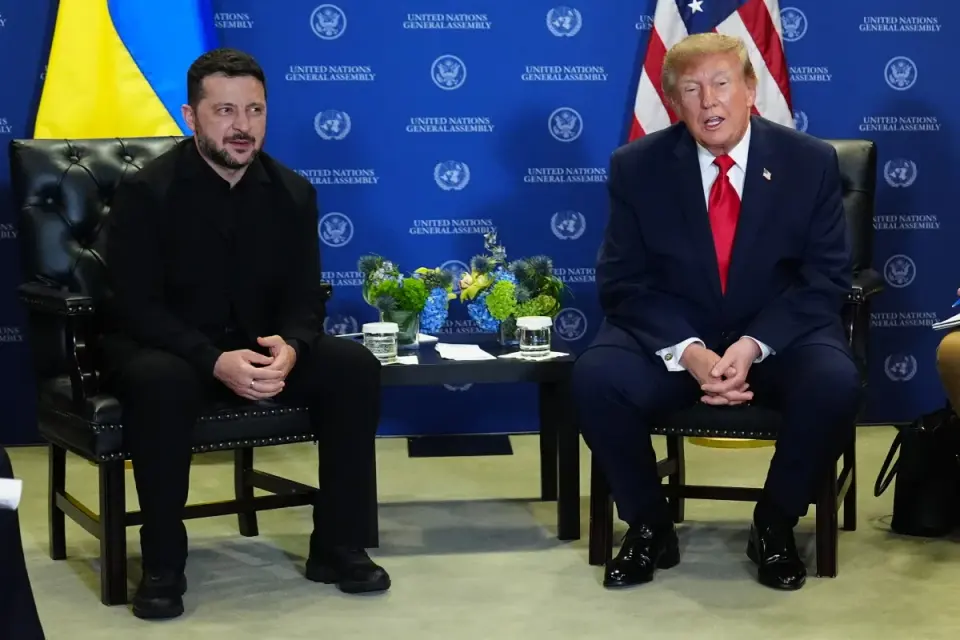
U.S.-Ukraine relations have deteriorated sharply as President Donald Trump pivots toward engaging with Russia, drawing criticism from Kyiv and bipartisan members of Congress. Ukrainian President Volodymyr Zelensky accused Washington of blocking missile deliveries and intelligence sharing while easing sanctions on Moscow. In response, Secretary of State Marco Rubio denied any pause in intelligence support, while several lawmakers threatened investigations and budget cuts. The dispute has intensified amid ongoing Russian missile strikes on Ukraine and a U.S. diesel deal with Russia.
Key points
- President Trump has eased pressure on Russia, including a diesel deal and reduced sanctions, while casting Ukraine as an obstacle to peace.
- Ukrainian President Volodymyr Zelensky accused the U.S. of blocking Patriot missile deliveries and temporarily halting intelligence sharing, including Starlink services.
- Secretary of State Marco Rubio denied any pause in intelligence sharing, stating that Washington remains focused on ending the war.
- Bipartisan lawmakers, including Sens. Richard Blumenthal and Thom Tillis, and Rep. Brian Fitzpatrick, have threatened hearings and budget cuts to investigate alleged restrictions on aid.
- Zelensky noted that recent Russian ballistic missile strikes hit Ukraine without warning from U.S. partners, highlighting the impact of reduced intelligence support.
Background
This escalation follows earlier U.S. moves, including a diesel purchase deal with Russia and Trump’s suggestion that Ukraine needs a different leader. These actions were previously criticized as prioritizing domestic energy costs over Ukrainian sovereignty. The current dispute also occurs amid rising global oil prices and ongoing tensions in the Middle East, where Trump has delayed peace talks with Iran until after the November midterm elections.
How outlets are covering it
The Washington Post emphasizes the personal feud between Trump and Zelensky, noting that Trump’s defense of his Russia-focused strategy has complicated his peace-brokering efforts. Politico highlights the bipartisan backlash in Congress, where lawmakers are threatening investigations into alleged restrictions on Starlink and military aid. The Associated Press frames the situation as a broader deterioration in U.S.-Ukraine ties, focusing on the diplomatic fallout from Trump’s shift in policy. While all outlets agree on the strain in the alliance, they differ in emphasis: The Post focuses on the interpersonal conflict, Politico on the legislative response, and AP on the overall diplomatic decline.
Why it matters
The breakdown in U.S.-Ukraine relations threatens the stability of the transatlantic alliance and could impact the outcome of the Russia-Ukraine war. Congressional backlash signals potential shifts in U.S. foreign policy, while the dispute over intelligence and military aid raises questions about the reliability of U.S. support for Ukraine. The situation also has implications for global energy markets and U.S. domestic politics, particularly ahead of the November midterm elections.
What to watch
Congressional hearings are expected to investigate whether the U.S. government restricted Starlink or military aid to Ukraine. Lawmakers may propose budget cuts or legislative actions to ensure continued support for Ukraine. The Trump administration is likely to continue its engagement with Russia, potentially leading to further diplomatic tensions with Kyiv and European allies. The outcome of these developments could influence the trajectory of the Russia-Ukraine war and U.S. foreign policy in the coming months.
- US ties with Ukraine hit new low as Trump slights Zelenskyy and eases up on Russia AP News
- Trump and Zelensky escalate feud as Ukraine war strains alliance The Washington Post
- U.S. must put pressure on Russia so Putin ends the war, Ukrainian official says PBS
- As America turns against Ukraine, Europe stands alone The Economist
- Trump’s growing Ukraine backlash Politico
Want the full story? Read the original reporting
Read on AP News