
Trump moves to drop Rwanda and South Africa from US trade agreement
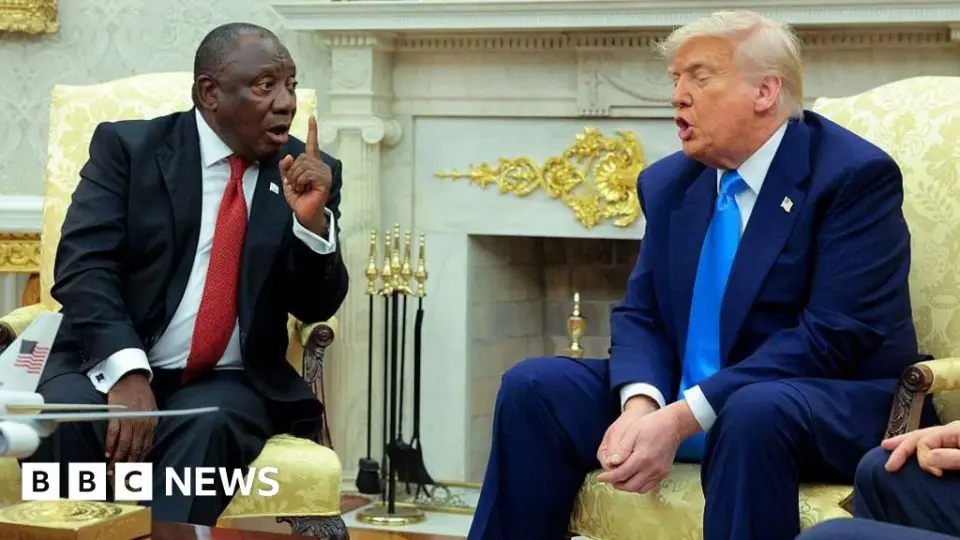
President Donald Trump has announced the removal of Rwanda and South Africa from a US trade deal. This decision follows a period of heightened tensions, including a dispute over South Korea's energy investments and the murder of a Rwandan dissident in Uganda.
Key points
- President Trump has decided to exclude Rwanda and South Africa from a US trade agreement.
- The move signals a shift in US trade strategy regarding these two African nations.
- The announcement comes amid broader geopolitical tensions and recent disputes over trade commitments.
- The decision may impact economic relations and diplomatic ties between the US and the two countries.
Background
Recent months have seen significant friction in US trade negotiations. In October 2026, President Trump claimed South Korea agreed to an $8.4 billion oil deal and a $54 billion Alaska LNG pipeline, but Seoul rejected these figures, stating the projects were only under review. This dispute coincided with weak US job growth and rising political pressure ahead of midterm elections. Additionally, in late October 2026, the beheading of Robert Kabera, a Rwandan exile and critic of President Paul Kagame, in Uganda raised fears for dissidents and highlighted regional instability. These events set the stage for the current trade decision, reflecting a broader pattern of contentious international economic and diplomatic relations.
Why it matters
The removal of Rwanda and South Africa from the US trade deal could have significant economic and diplomatic implications. It may affect trade volumes, investment flows, and political relationships between the US and these nations. The decision also reflects the broader trend of Trump's administration using trade as a tool for geopolitical leverage, potentially setting a precedent for future trade negotiations with other countries.
What to watch
The next steps will likely involve official statements from the governments of Rwanda and South Africa regarding the trade decision. There may be diplomatic discussions to address the removal and explore potential alternatives or compromises. Additionally, the impact on trade volumes and economic relations will be closely monitored, with potential adjustments in trade policies and agreements.
Want the full story? Read the original reporting
Read on BBC