
Seattle Council Approves RV Permit Program, But Legal and Logistical Hurdles Remain
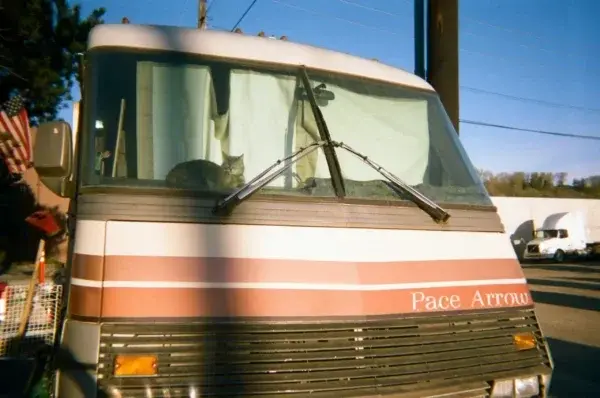
The Seattle City Council approved a new Vehicle Resident Assistance Program that offers parking permits to people living in RVs and travel trailers, contingent on accepting shelter services. The plan includes new overnight parking bans and impoundment rules, but faces challenges from legal protections and staffing shortages.
Key points
- The Seattle City Council voted 8-1 to approve a six-part legislative package creating the Vehicle Resident Assistance Program (VRAP).
- The program offers free permits for motor homes and travel trailers to park overnight in designated industrial zones, provided residents engage with caseworkers and accept shelter offers.
- Permits will be revoked if an occupant declines six offers of appropriate shelter.
- Unpermitted RVs and travel trailers will be restricted to two hours of street parking and banned from overnight parking between midnight and 6 AM, effective April 30, 2027, with enforcement starting July 31, 2027.
- The program is funded by $5 million in existing homelessness services funding and includes funding for safe lots and secure vehicle storage.
- King County Council Vice Chair Reagan Dunn is proposing new regulations for unincorporated King County to prevent Seattle's homelessness crisis from spilling into neighboring communities.
Background
This development follows ongoing efforts by Seattle to address homelessness and vehicle residency. The city has previously faced challenges in enforcing parking regulations for vehicles used as homes, particularly after the 2021 WA Supreme Court ruling in the Steven Long case, which established that a vehicle used as a home could qualify as a homestead under state law. The new VRAP aims to balance regulation with services, but it faces legal and logistical hurdles, including staffing shortages and limited storage capacity for impounded vehicles. The program also comes amid broader regional efforts to address homelessness, with King County proposing new regulations to prevent the issue from spilling into unincorporated areas.
How outlets are covering it
CHS Capitol Hill Seattle News emphasizes the new permit system and the requirement to accept shelter services, highlighting the council's approval and the potential impact on vehicle residents. KOMO focuses on the council's 8-1 vote and the broader goal of connecting people living in vehicles to shelter waitlists. MyNorthwest.com raises concerns about the legal and logistical challenges of enforcing the new rules, particularly the WA Supreme Court's 2021 ruling on homestead protections and the city's staffing shortages and budget deficit. The perspectives differ in their emphasis: CHS and KOMO focus on the program's structure and goals, while MyNorthwest highlights the practical and legal obstacles that may hinder its implementation.
Why it matters
The VRAP represents a significant shift in Seattle's approach to vehicle residency, aiming to balance regulation with services to help people living in vehicles. However, the program's success depends on overcoming legal and logistical challenges, including homestead protections, staffing shortages, and budget constraints. The outcome could set a precedent for how cities address vehicle residency and homelessness, with potential implications for regional cooperation and legal frameworks.
What to watch
The VRAP will be presented to the mayor for approval and signature. Once signed, the bills will become effective in 30 days, except for CB 121281, which will take effect on April 30, 2027, with enforcement starting July 31, 2027. The city will need to address staffing shortages and legal challenges to ensure effective enforcement. King County may also implement new regulations to prevent the issue from spilling into unincorporated areas.
- Seattle set to pass new rules giving people living in RVs a parking permit — if they accept shelter services CHS Capitol Hill Seattle News
- King County councilmember proposes parking restrictions amid concerns over Seattle RV crackdown KING5.com
- Seattle City Council approves RV permit program, stricter parking rules The Seattle Times
- Seattle council approves RV permit plan tying vehicle residents to shelter waitlists KOMO
- Seattle RV parking vote raises questions about towing, Homestead Act protections MyNorthwest.com
Want the full story? Read the original reporting
Read on CHS Capitol Hill Seattle News