
Iran Rejects Uranium Transfer, Threatens Hormuz Cables as Pakistan Mediation Stalls
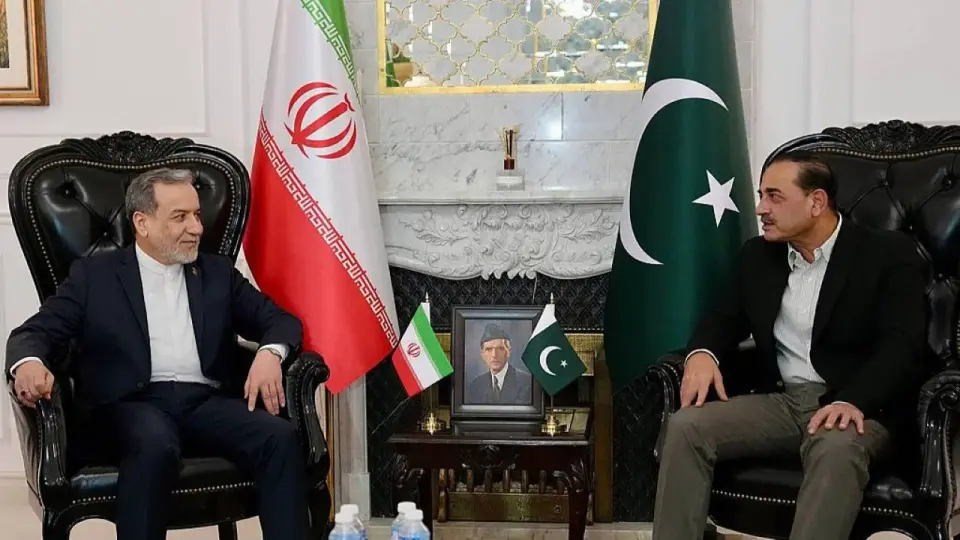
Iran has firmly rejected proposals to transfer enriched uranium to a third country, with security chief Mohsen Rezaei stating no nuclear material will leave the nation. Simultaneously, the IRGC threatened to cut undersea internet cables in the Strait of Hormuz. While President Pezeshkian claims a peace plan was submitted to the US, Tehran demands sanctions relief before negotiations. Pakistan’s mediation efforts are stalled, and Houthi attacks on Saudi Arabia continue to escalate regional tensions.
Key points
- Iran’s Supreme National Security Council secretary Mohsen Rezaei told Pakistan’s army chief Asim Munir that 'not a single gram' of enriched uranium will leave Iran, rejecting a third-country transfer proposal.
- IRGC General Yadollah Javani threatened to cut seven major undersea cables in the Strait of Hormuz, warning it would inflict 'serious damage' on the US and its allies.
- President Masoud Pezeshkian stated Iran has submitted a peace plan to the US but demands the lifting of sanctions and threats as a precondition for dialogue.
- Pakistan’s mediation is at an impasse; analysts note the June 14-point memorandum of understanding is 'operationally dead' due to changed circumstances.
- Houthi attacks on Saudi Arabia have doubled in a week, with strikes on Riyadh’s King Khalid Airport killing at least 13 people, prompting Saudi Arabia to seek US and British military support.
Background
This escalation follows a failed diplomatic push in late September and October, where indirect talks via Qatar and Pakistan yielded no breakthrough. A June 14-point memorandum of understanding, brokered by Pakistan, required the US to lift a naval blockade and release $24 billion in frozen Iranian assets within 60 days; this deadline expired in mid-August without compliance. The current standoff occurs amid a broader regional conflict involving Houthi attacks on Saudi infrastructure and US military deployments, including a third aircraft carrier strike group, to the Middle East.
How outlets are covering it
Fox News emphasizes Iran’s aggressive posturing, highlighting the IRGC’s threat to cut undersea cables and the US president’s potential use of the MOAB weapon. Al Jazeera focuses on the diplomatic impasse, noting that while Pakistan remains a key intermediary, its credibility is compromised by its security commitments to Saudi Arabia. NDTV underscores Iran’s firm rejection of uranium transfer proposals and its demand for sanctions relief before any dialogue. BBC reports on the broader regional context, including Houthi denials of attacks on Medina and Iraq’s restrictions on Houthi representatives, but provides limited detail on the specific uranium and cable threats compared to the other outlets.
Why it matters
The refusal to transfer uranium and the threat to critical infrastructure in the Strait of Hormuz signal a high risk of renewed military conflict. The failure of diplomatic channels, combined with escalating Houthi attacks on Saudi Arabia and US military buildup, could lead to a broader regional war. The status of undersea cables and oil shipping lanes directly impacts global energy prices and digital connectivity.
What to watch
Watch for US responses to Iran’s peace plan and sanctions demands. Monitor the status of the Strait of Hormuz for any actual cable cuts or mine incidents. Observe whether Pakistan or Qatar can revive negotiations before the US midterm elections in November, as Trump has pledged not to strike Iran before that date.
- Iran rules out transferring uranium to a third country, threatens undersea cables in Hormuz Fox News
- Brent falls as Iran's president discusses mediation with Pakistani army chief Reuters
- Pakistan army chief in Tehran: Can diplomacy prevent new US-Iran fighting? Al Jazeera
- Iiraan oo wacad ku martay in aysan ogolaan doonin in kiimikada Nukliyeerka laga qaado gudaha dalkeeda. BBC
- 'Uranium Not Leaving Iran': Tehran's Firm Response To Pak's Asim Munir On Transfer Plan NDTV
Want the full story? Read the original reporting
Read on Fox News