
Orange County declares emergency as El Niño threatens coastal homes
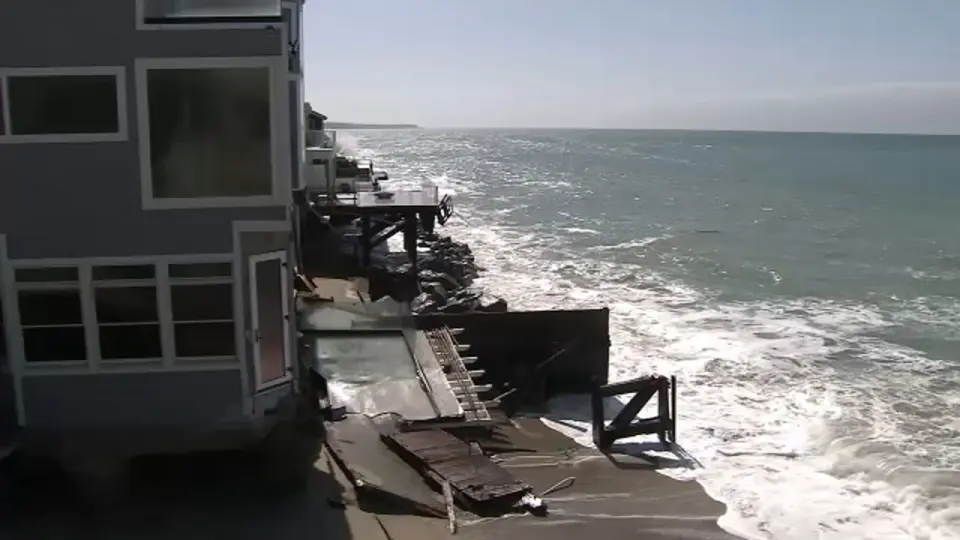
Orange County declared a local state of emergency on September 17, 2026, following severe coastal erosion and damage to homes in Dana Point, Laguna Beach, and San Clemente. The declaration aims to unlock state and federal resources ahead of a forecasted 'Super El Niño' winter storm season. While the county has activated its emergency operations center, officials note that total damage must exceed $15.5 million to qualify for certain federal assistance. Supervisor Katrina Foley is urging Governor Gavin Newsom to issue a statewide declaration to expedite sand replenishment and infrastructure repairs.
Key points
- Orange County declared a local state of emergency on Sept. 17, 2026, citing severe coastal erosion and high surf damage.
- Dana Point's Capistrano Beach neighborhood suffered significant damage, with 10 homes red-tagged and seven yellow-tagged.
- San Clemente allocated $1 million to replenish sand at North Beach and is seeking additional emergency funding.
- Supervisor Katrina Foley is calling on Gov. Gavin Newsom for a statewide emergency declaration to accelerate recovery.
- Forecasters predict a 'Super El Niño' will bring powerful waves and high tides from November 2026 through early 2027.
Background
This emergency follows a series of coastal incidents in September 2026. Tropical Storm Marie initially caused severe surf that damaged approximately 14 to 16 beachfront homes in Dana Point, leading to local emergency declarations in Dana Point, Laguna Beach, and San Clemente earlier in the month. Previous coverage also noted erosion issues in Malibu and Long Beach evacuations due to high tides. The current declaration is a broader county-wide response to these cumulative damages and the anticipated winter storm season.
How outlets are covering it
ABC7 and the Orange County Register emphasize the administrative and financial aspects of the emergency, highlighting the need for state and federal resources and the $15.5 million damage threshold for federal aid. The Washington Post focuses on the long-term conflict between private property owners and the California Coastal Commission, noting that residents are building costly rock walls to protect their homes due to years-long erosion and difficult permitting processes. Yahoo's coverage highlights the dramatic scale of the damage, describing the event as 'most coastal carnage' and emphasizing the destruction of luxury homes by 20-foot swells. All sources agree on the severity of the damage and the urgency of preparation for the El Niño season, but they differ in their focus on immediate financial relief versus long-term regulatory and property rights issues.
Why it matters
The declaration of a state of emergency is critical for unlocking resources to protect infrastructure and homes ahead of a potentially severe winter storm season. It highlights the growing tension between coastal development and environmental protection, as well as the financial burden on local governments and residents. The outcome of this emergency will determine the pace and scope of recovery efforts and the ability to mitigate future damage from rising sea levels and increased storm activity.
What to watch
County officials are coordinating with coastal cities to assess impacts and continue damage assessments. Supervisor Foley is awaiting a response from Governor Newsom regarding a statewide emergency declaration. San Clemente is actively seeking to truck in sand for North Beach and pursuing additional funding. The county is monitoring conditions and preparing for the arrival of the El Niño storm season, which is expected to bring more powerful waves and high tides starting in November 2026.
- Orange County declares state of emergency after severe coastal erosion, high surf damage multiple homes ABC7 Los Angeles
- Fight intensifies over the fate of homes falling into the sea The Washington Post
- San Clemente declares emergency for beaches, allots $1 million for North Beach sand fill Orange County Register
- Orange County declares countywide emergency over Hurricane Marie damage KTLA
- 20-Foot Hurricane Swell Obliterates SoCal Luxury Homes in ‘Most Coastal Carnage I’ve Ever Seen’ (Video) Yahoo
Want the full story? Read the original reporting
Read on ABC7 Los Angeles