
Iran vows reciprocal action if US honors June deal, even as new strikes escalate conflict
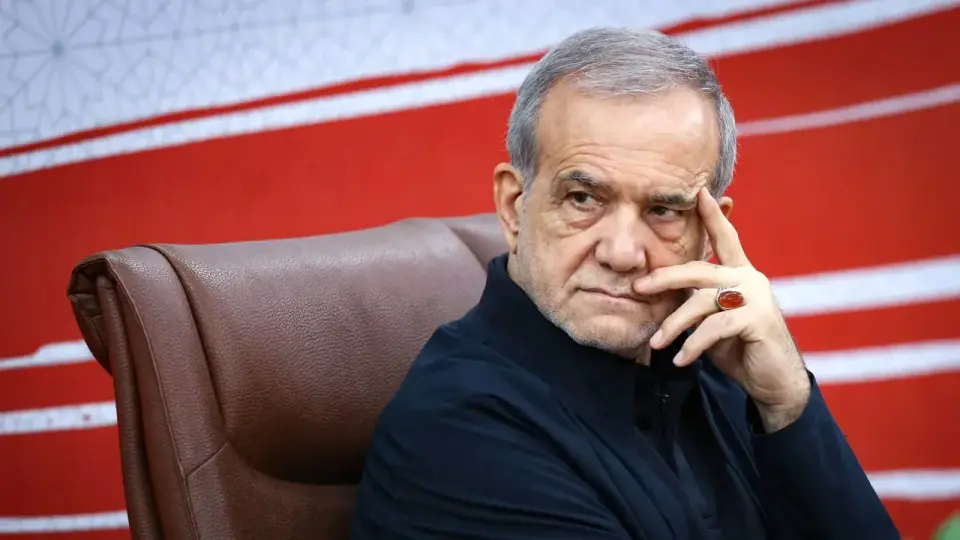
Iranian President Masoud Pezeshkian stated at the Shanghai Cooperation Organization summit in Bishkek that Tehran will immediately reciprocate if the US returns to its commitments under the June interim deal. This diplomatic stance coincides with a fresh wave of US strikes on Iranian military targets and Iranian retaliatory attacks on US bases in Jordan and Bahrain, marking the first exchange of fire in weeks. While Pezeshkian emphasized diplomacy and praised Russian support, the conflict has intensified with civilian casualties in Iran and continued restrictions on the Strait of Hormuz.
Key points
- Pezeshkian declared at the SCO summit that Iran will 'immediately reciprocate' if the US honors the June Memorandum of Understanding, which collapsed due to implementation disputes.
- US Central Command confirmed a wave of strikes against IRGC targets in Iran, including air defense and maritime assets, in response to recent IRGC actions.
- Iranian authorities reported a US strike on a wedding party in Sirik, killing at least four people, including a child, and injuring over 50, which Iran cited as evidence of civilian targeting.
- The IRGC claimed ballistic missile strikes on US drone hangars at Prince Hassan airbase in Jordan and attacks on US forces in Bahrain, framing these as retribution for the civilian casualties.
- Pezeshkian met with Vladimir Putin, praising Moscow's support and describing the Iran-Russia relationship as 'strategic,' while warning that US pressure could derail diplomacy.
Background
The current escalation follows a period of relative calm since the June interim deal, which aimed to end the war that began with US and Israeli strikes on Iran on February 28, 2026. That conflict killed former Supreme Leader Ali Khamenei and led to the succession of his son, Mojtaba Khamenei, who has remained largely out of public view due to injuries sustained in the initial strikes. Recent months have seen economic strain in Iran, with President Pezeshkian acknowledging a 'war-time economy' and inflation nearing 66% due to US sanctions and a naval blockade. Tensions between Pezeshkian and the Supreme Leader have also been reported, with the president describing communication as 'very difficult' in early August.
How outlets are covering it
The Jerusalem Post and France 24 highlight Pezeshkian's diplomatic pivot, emphasizing his call for reciprocal action and his praise for Russian support as a counter to US pressure. Al Jazeera focuses on the military escalation, detailing the US strikes, Iranian retaliatory attacks on regional US bases, and the civilian impact, including the wedding party attack. AP News provides a broader view of the ongoing conflict, noting the US military's continued operations and the geopolitical implications of the Strait of Hormuz. The outlets differ in emphasis: The Jerusalem Post and France 24 frame the situation as a diplomatic opportunity, while Al Jazeera and AP News underscore the immediate military and humanitarian consequences of the renewed hostilities.
Why it matters
The renewed strikes and diplomatic statements signal a fragile and volatile peace in the Middle East. The collapse of the June deal and the subsequent escalation threaten to reignite a broader regional conflict, with implications for global oil supplies through the Strait of Hormuz. The involvement of major powers like Russia and China, as seen at the SCO summit, adds a layer of geopolitical complexity, potentially influencing the trajectory of the US-Iran confrontation and the broader regional security landscape.
What to watch
The US and Iran are likely to continue their tit-for-tat strikes, with the US maintaining its 'pressure campaign' and Iran retaliating against US assets in the region. Diplomatic efforts may resume if the US returns to the June deal, but the current escalation suggests a high risk of further military confrontation. The status of the Strait of Hormuz will remain a critical flashpoint, with Iran's restrictions and the G20's calls for free navigation likely to drive international tensions. The outcome of the SCO summit and the Iran-Russia relationship may also influence the broader geopolitical dynamics in the region.
- Iranian President Pezeshkian says Tehran will follow US if Americans honor deal The Jerusalem Post
- Iran's president says Iran would return to ceasefire agreement if US does, and other Mideast news AP News
- Iran war live: Tehran warns of military action if US intensifies blockade Al Jazeera
- Iran urges US to comply with interim deal after Trump threatens further strikes Reuters
- Iran president offers US olive branch before Putin meeting France 24
Want the full story? Read the original reporting
Read on The Jerusalem Post