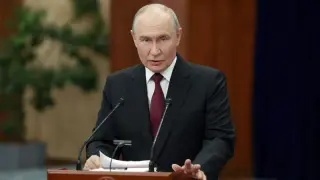
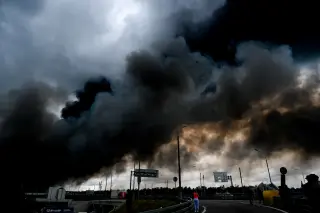
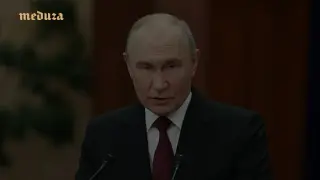
Vladimir Putin used a press conference in Bishkek to reject Ukrainian peace overtures, labeling Kyiv a 'terrorist' state while praising US envoys Steve Witkoff and Jared Kushner as sincere mediators. He dismissed battlefield setbacks and confirmed plans for large-scale strikes on Ukrainian energy infrastructure.
Vladimir Putin refused to negotiate with Ukraine’s leadership, labeling them 'terrorists,' while praising U.S. mediators Steve Witkoff and Jared Kushner. He announced plans for massive strikes on Ukrainian energy facilities and claimed Russian forces captured 270 square kilometers in Donetsk. Putin dismissed calls for a new mobilization as disinformation and noted that peace talks are currently frozen, though he remains open to constructive third-party mediation.
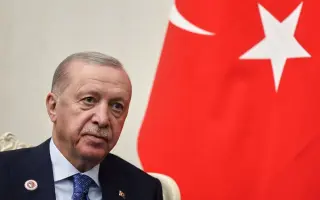
Turkish President Recep Tayyip Erdogan has intensified diplomatic pressure on Greece, demanding an end to the militarization of Aegean islands. Speaking after a summit in Kyrgyzstan, Erdogan warned Athens to 'change course' and respect international treaties, while Ankara simultaneously delivered a formal diplomatic note objecting to Greek actions that alter the status quo in the region.
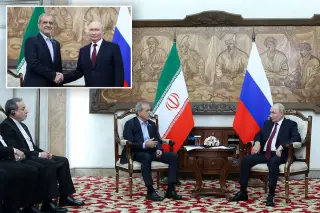
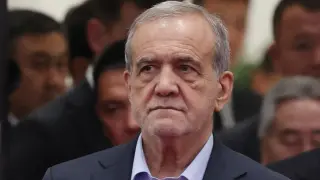
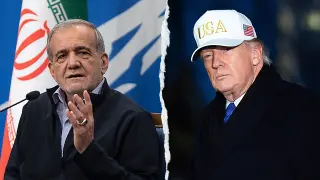
Russian President Vladimir Putin pledged continued support for Iran during a summit in Kyrgyzstan, vowing to help Tehran withstand US sanctions. Iranian President Masoud Pezeshkian criticized the penalties, comparing them to those imposed on Russia, and called for joint action to undermine US unilateralism. The meeting occurred amid ongoing US-Iran hostilities and a US Treasury push to 'asphyxiate' the Iranian government through financial pressure.
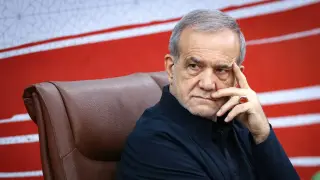
Iran's President Masoud Pezeshkian stated that Tehran is prepared to 'reciprocate' if the U.S. reinstates commitments from the June interim peace deal. This offer comes a day after the U.S. conducted its first strikes on Iranian forces in a month along the Strait of Hormuz. While Pezeshkian emphasized Iran's desire for peace, he warned of a 'decisive' response to any aggression. The U.S. administration has reportedly shown no interest in returning to the June terms, and Iran's Foreign Minister Abbas Araghchi has echoed the demand for the U.S. to adhere to the memorandum.
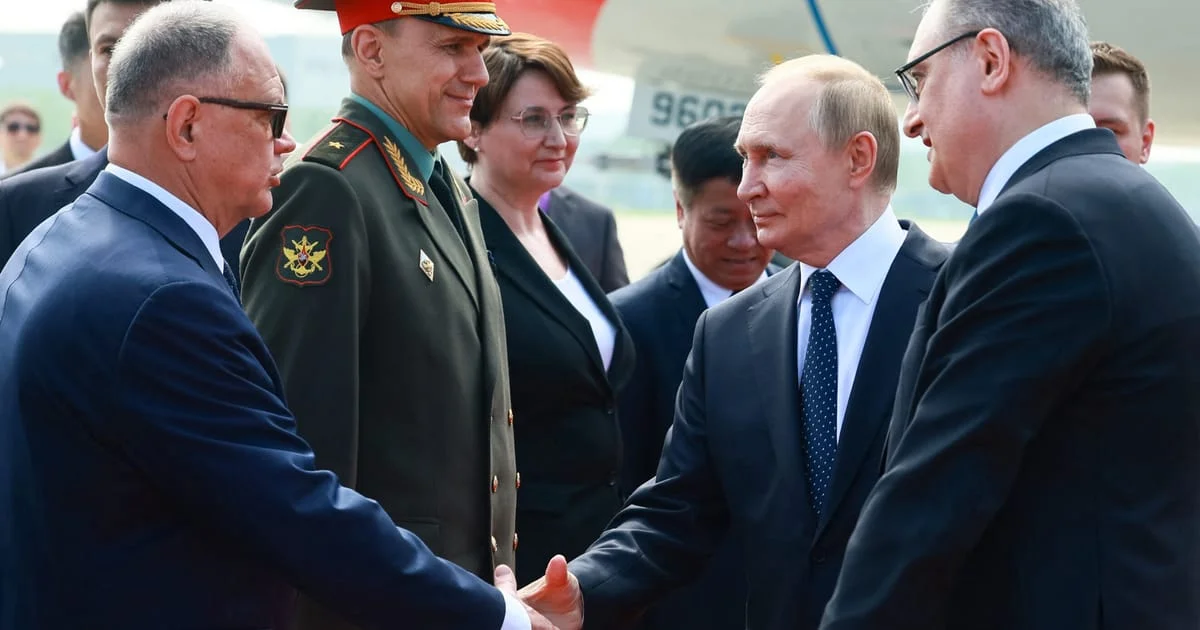
Vladimir Putin stated at a press conference in Bishkek that Russia avoids targeting Ukrainian leadership to maintain potential negotiators for future peace talks. He confirmed orders for large-scale strikes on Ukrainian energy facilities and dismissed fears of post-election mobilization as disinformation. Putin also criticized Germany’s closure of the Russian consulate as a domestic political maneuver and defended recent decrees on critical infrastructure protection as necessary responses to enemy attacks, not nationalization.
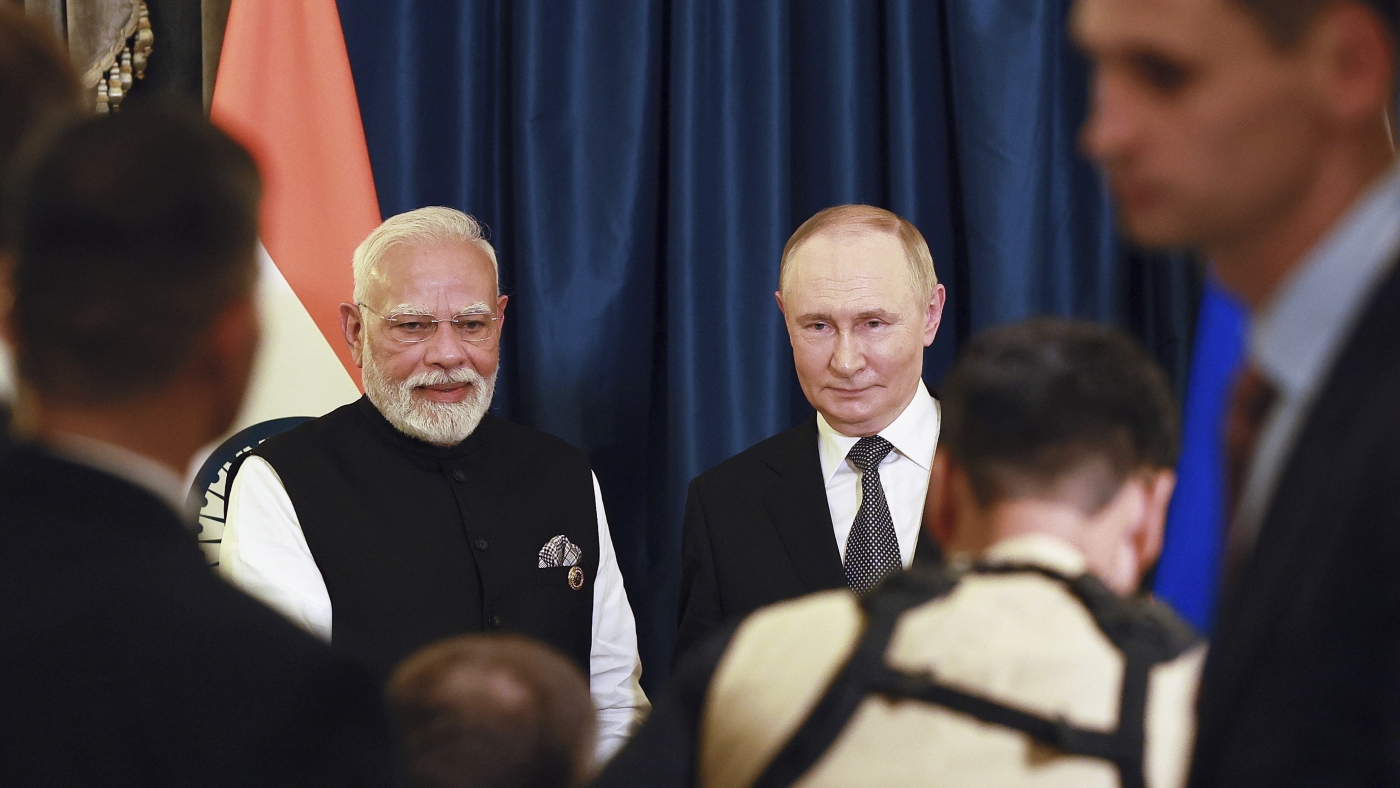
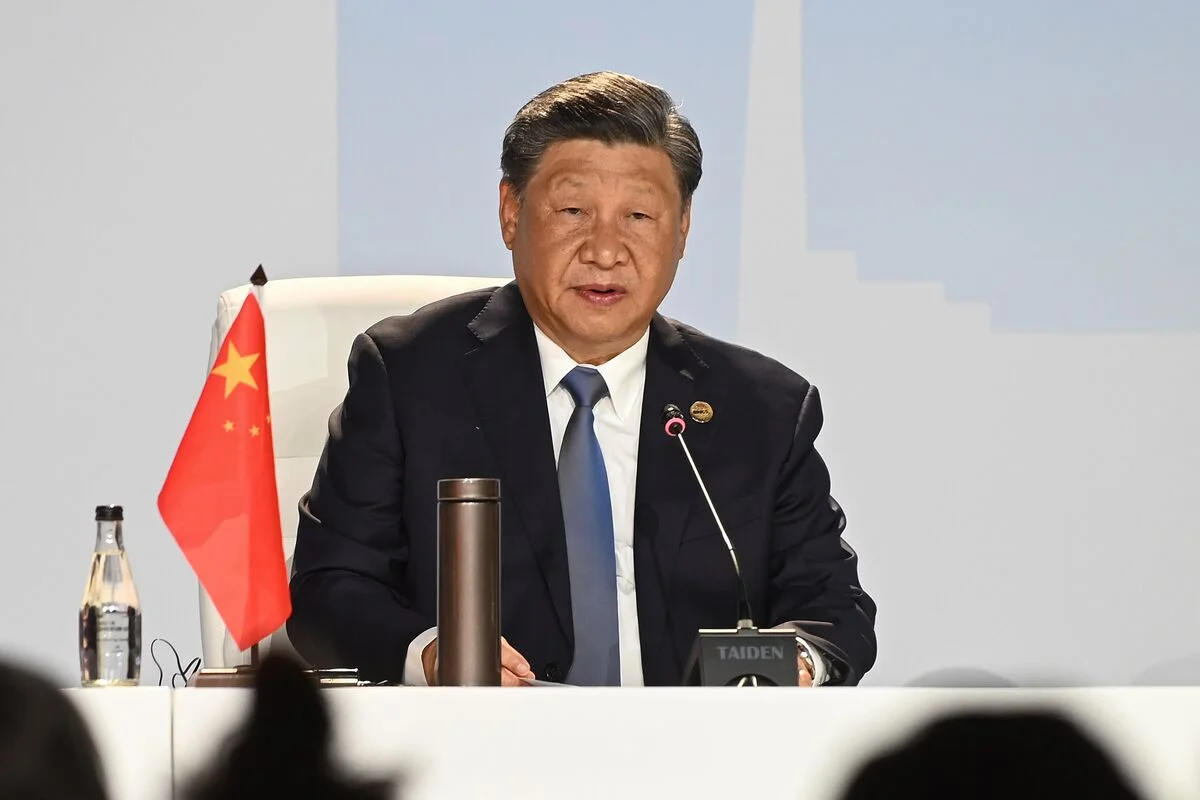
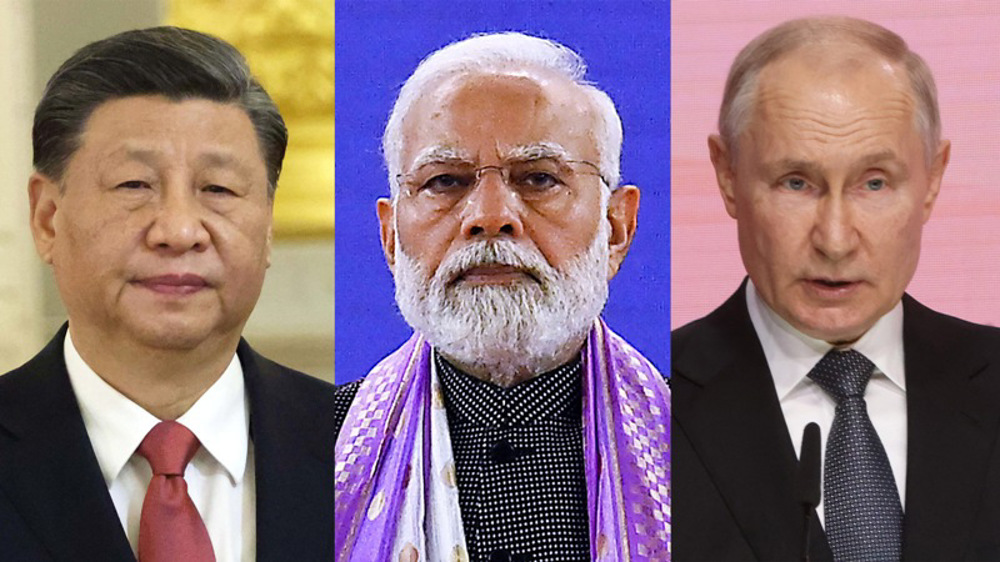
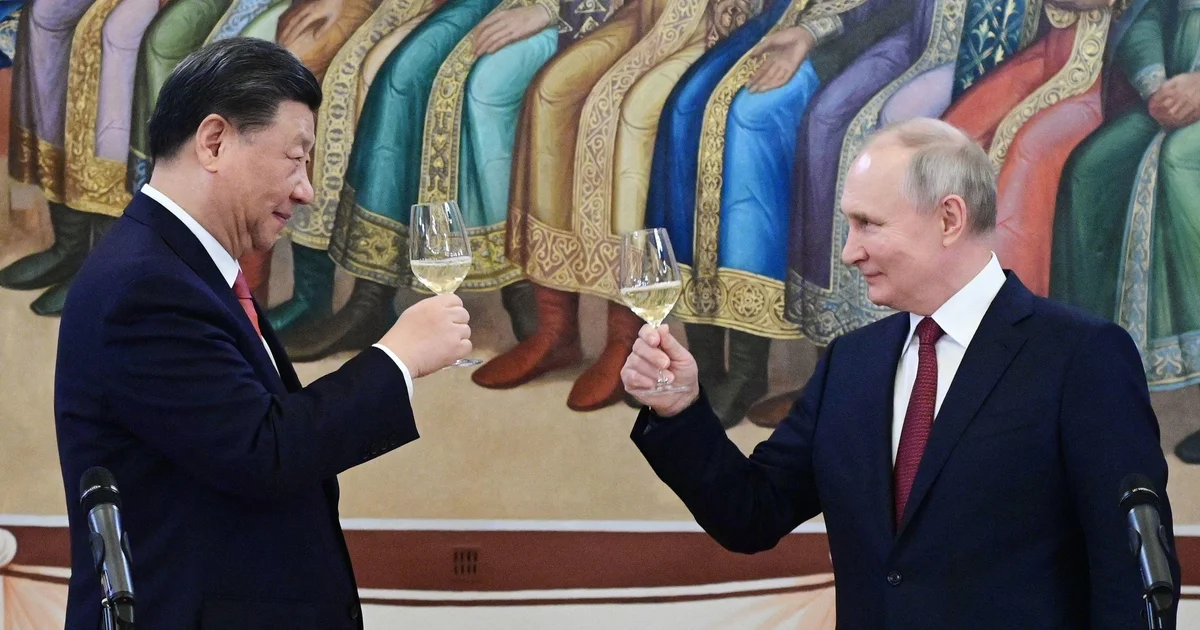
Leaders of China, Russia, and India convened in Bishkek, Kyrgyzstan, for the 25th anniversary summit of the Shanghai Cooperation Organization (SCO). The gathering aimed to project a unified non-Western front, but highlighted internal divisions. China and Russia reaffirmed their strategic partnership, while India urged an end to the war in Ukraine. The summit occurred amid rising tensions, including a U.S. bill threatening 100% tariffs on countries buying Russian oil and ongoing conflicts in Ukraine and Iran.
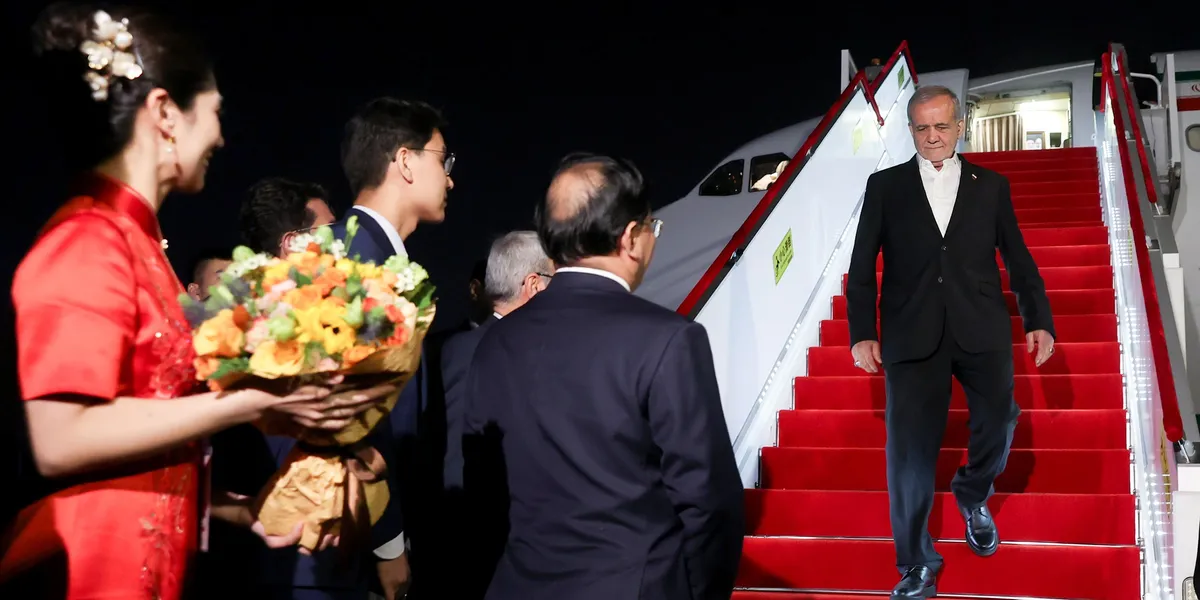
Iranian President Masoud Pezeshkian stated at the Shanghai Cooperation Organization summit in Bishkek that Tehran will immediately reciprocate if the US returns to its commitments under the June interim deal. This diplomatic stance coincides with a fresh wave of US strikes on Iranian military targets and Iranian retaliatory attacks on US bases in Jordan and Bahrain, marking the first exchange of fire in weeks. While Pezeshkian emphasized diplomacy and praised Russian support, the conflict has intensified with civilian casualties in Iran and continued restrictions on the Strait of Hormuz.
Iranian President Masoud Pezeshkian stated on Tuesday that Tehran would immediately resume the terms of a June memorandum of understanding if the United States returns to its commitments. This diplomatic overture comes amid renewed military exchanges, including US strikes on Iranian targets and Iranian missile attacks on US facilities in Jordan. The conflict has disrupted shipping in the Strait of Hormuz, causing oil prices to rise by approximately 2%. While Pezeshkian advocates for diplomacy at the Shanghai Cooperation Organization summit in Bishkek, Iran’s Islamic Revolutionary Guard Corps reportedly seeks additional concessions, including control of the strait and financial compensation, which Washington is unlikely to accept.
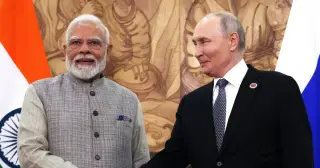
Indian Prime Minister Narendra Modi and Russian President Vladimir Putin reaffirm their 'special and privileged' relationship during a meeting in China, amidst rising US tariffs on Russian oil imports that have pushed India closer to Russia and China. The leaders discussed regional stability, bilateral trade, and energy cooperation, with India defending its Russian oil purchases despite US pressure, highlighting a shift towards multi-alignment in India's foreign policy.
The SCO summit in Tianjin, hosted by China with over 20 world leaders including North Korea, India, Iran, Russia, and others, highlights China's efforts to boost economic and connectivity initiatives amid US global influence challenges. The summit emphasizes regional diversification, multi-alignment, and the importance of China, India, and Russia's bilateral relations, reflecting broader shifts away from US unipolarity and the need for the US to adopt more stable, multilateral strategies.
Chinese President Xi Jinping hosted a summit with Russian President Vladimir Putin, Indian Prime Minister Narendra Modi, and other leaders to strengthen Beijing's influence and promote a multipolar world order amid tensions from U.S. trade policies and Western sanctions, with discussions focusing on regional and global power dynamics.
Xi Jinping is convening a major SCO summit to bolster China's influence and present a united front against US dominance, with key discussions on regional security, energy cooperation, and geopolitical alignments involving Russia, India, Iran, and others, amid ongoing global tensions and US-China competition.
Russian President Vladimir Putin, Chinese President Xi Jinping, and Indian Prime Minister Narendra Modi have welcomed Iran as the ninth full member of the Shanghai Cooperation Organization (SCO), a significant security and trade alliance. The SCO, which includes China, Russia, India, Pakistan, Uzbekistan, Kyrgyzstan, Kazakhstan, and Tajikistan, now represents around 40 percent of the world's population and controls approximately 20 percent of the world's oil reserves. During the virtual summit, the leaders expressed their congratulations to Iran and emphasized the importance of enhancing ties, resisting Western sanctions, and combating terrorism. Putin also thanked the member states for their support during a recent mutiny in Russia.
China's President Xi Jinping called for solidarity among the members of the Shanghai Cooperation Organization (SCO), including Russia, India, and Iran, during a virtual summit hosted by India. Xi urged the member states to resist Western sanctions and external interference, while also emphasizing the need to safeguard regional peace and ensure common security. Russian President Vladimir Putin thanked the SCO partners for their support during a failed mutiny staged by the head of the Wagner mercenary group. Iran joined the SCO as a full member, with its membership aimed at strengthening unity and collective security. The leaders of India and Pakistan expressed concerns about the situation in Afghanistan, with India warning of the risk of instability and Pakistan calling for an urgent reset in international engagement with the Taliban rulers.