
US Soldiers Report Delays and Errors in Post-Strike Medical Care
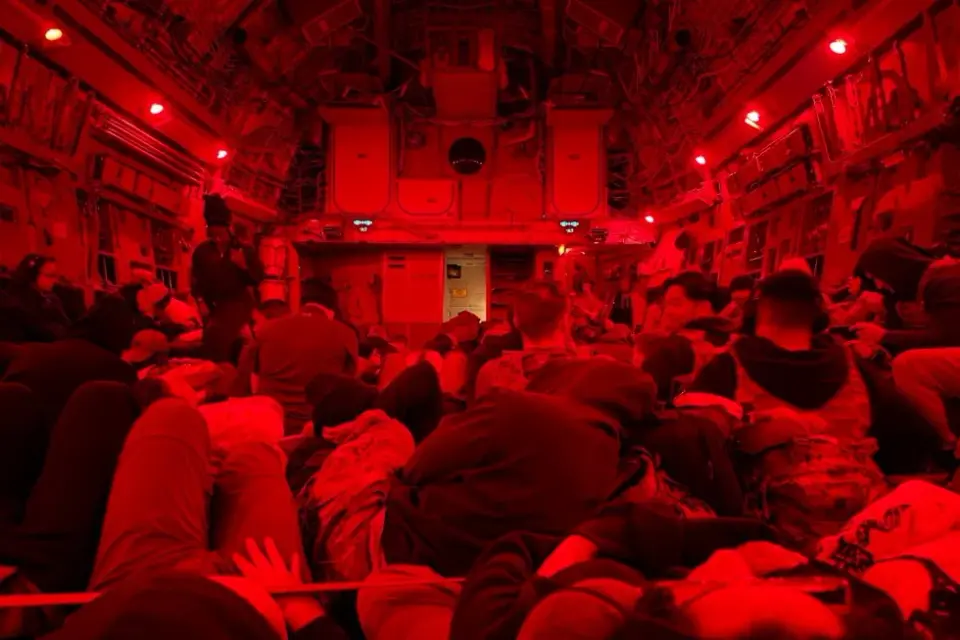
Wounded US soldiers from the March 2026 Iranian drone strike in Kuwait report significant delays and errors in their medical care, including missed diagnoses of traumatic brain injuries and lack of pain medication. While the Pentagon states all troops were evaluated, veterans describe being sent to barracks instead of hospitals due to coding errors, forcing them to seek care independently.
Key points
- Soldiers wounded in the March 2026 Iranian drone strike at Port Shuaiba, Kuwait, report that the military medical system failed to provide timely and adequate care.
- Some wounded troops were sent to barracks instead of hospitals due to a coding error that failed to document them as wounded in combat, leaving them to schedule outpatient appointments independently.
- Diagnoses for traumatic brain injuries (TBIs) were often delayed, with some soldiers not receiving a diagnosis until weeks after the attack, sometimes only after arriving at Fort Hood in Texas.
- The Pentagon stated that all wounded troops were evaluated and admitted based on injury severity, but soldiers report going days without pain medication and having to identify their own specialists.
- One soldier, Lincón, struggled with dizziness and incomplete medical records, leading to a denied insurance claim for hearing loss, though he was later awarded the Purple Heart and returned to active duty.
Background
This story follows the March 2026 Iranian drone strike at Port Shuaiba, Kuwait, which killed six US troops and wounded dozens. Previous reports indicated that the Army had completed an investigation into the incident but had not released findings, citing the need to brief next of kin first. The strike was part of a broader conflict involving Iranian strikes on US bases across the Middle East, which damaged hundreds of facilities and resulted in significant casualties.
Why it matters
The reported failures in the military medical system highlight potential gaps in the care and support provided to wounded soldiers, raising concerns about the adequacy of the military's response to combat injuries and the impact on soldiers' long-term health and benefits.
What to watch
The Army's Human Resources Command has not yet responded to inquiries regarding the denied insurance claim for one of the wounded soldiers. Further developments may include the release of the Army's investigation findings and potential changes to the military's medical protocols to prevent similar delays and errors in the future.
Want the full story? Read the original reporting
Read on AP News