
U.S. Deploys Third Carrier as Iran War Plans Post-Midterms; Early Vote Surges
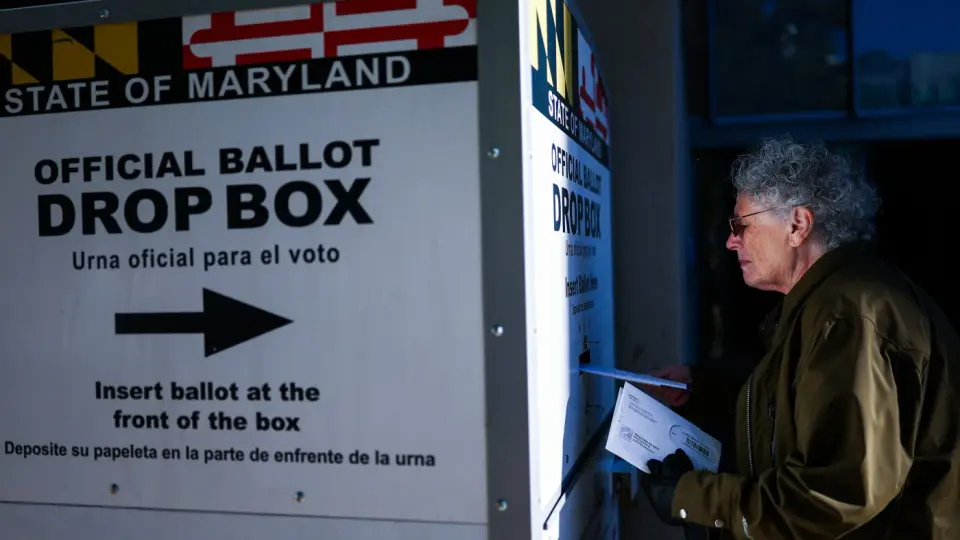
The U.S. is deploying a third aircraft carrier to the Middle East and planning a potential post-midterm attack on Iran, while nearly 21 million Americans have already voted early. Trump faces a federal court order to sit for a deposition in his BBC defamation case, and grocery prices remain volatile despite some item-level declines.
Key points
- U.S. and Israel are preparing for a possible strike on Iran after November 3 to avoid oil price spikes before the midterms.
- Iran’s Foreign Minister Abbas Araghchi stated the country is ready for diplomacy or war, demanding control of the Strait of Hormuz and U.S. troop withdrawal.
- Approximately 21 million Americans have voted early, a 2 million increase from the previous day, with Democrats voting at higher rates than Republicans.
- A federal judge ordered Trump to comply with deposition rules in his $10 billion BBC defamation case, which centers on a 2024 Panorama broadcast.
- Overall grocery prices have risen due to tariffs and energy costs, though specific items like eggs and butter have seen price drops.
Background
This escalation follows earlier reports of early voting launches amid economic anxiety and the ongoing Iran war. Recent archive coverage noted Trump’s campaign rallies in North Carolina and Georgia aimed at boosting struggling GOP candidates, while Democrats highlighted early voting advantages and low presidential approval ratings. The current military buildup contrasts with previous diplomatic efforts, signaling a shift toward potential kinetic action post-election.
How outlets are covering it
NPR emphasizes the strategic timing of the Iran strike to avoid pre-election oil price spikes, citing a source briefed on U.S. and Israel war planning. WUFT briefly notes the Iran attack planning but focuses more broadly on campaign trail activities and Musk’s comments on SpaceX/Tesla. Both outlets agree on the surge in early voting, but NPR provides detailed demographic breakdowns, noting Democrats are more likely to vote early while Republicans tend to vote on Election Day. On the BBC case, NPR highlights the legal pressure on Trump to testify, while WUFT does not cover this legal development. Regarding grocery prices, NPR offers a detailed analysis of specific items, whereas WUFT omits this economic detail entirely.
Why it matters
The potential post-midterm strike on Iran could significantly impact global oil markets and regional stability, while the early voting surge suggests a strong Democratic turnout advantage in the 2026 midterms. Trump’s legal obligations in the BBC case may influence his public messaging and campaign strategy. Additionally, the divergence in grocery prices highlights the complex economic impacts of tariffs and energy costs on everyday consumers.
What to watch
The U.S. is expected to finalize plans for a potential Iran strike after November 3. Early voting will continue through Election Day, with final results likely reflecting the current Democratic advantage. Trump’s compliance with the BBC deposition order will be monitored by federal courts, with potential sanctions if he fails to appear. Grocery prices will continue to fluctuate based on supply chain factors, tariffs, and energy costs.
Want the full story? Read the original reporting
Read on NPR