
2026 Midterms: Voters Prioritize Corruption and Economic Anger Over Partisan Loyalty
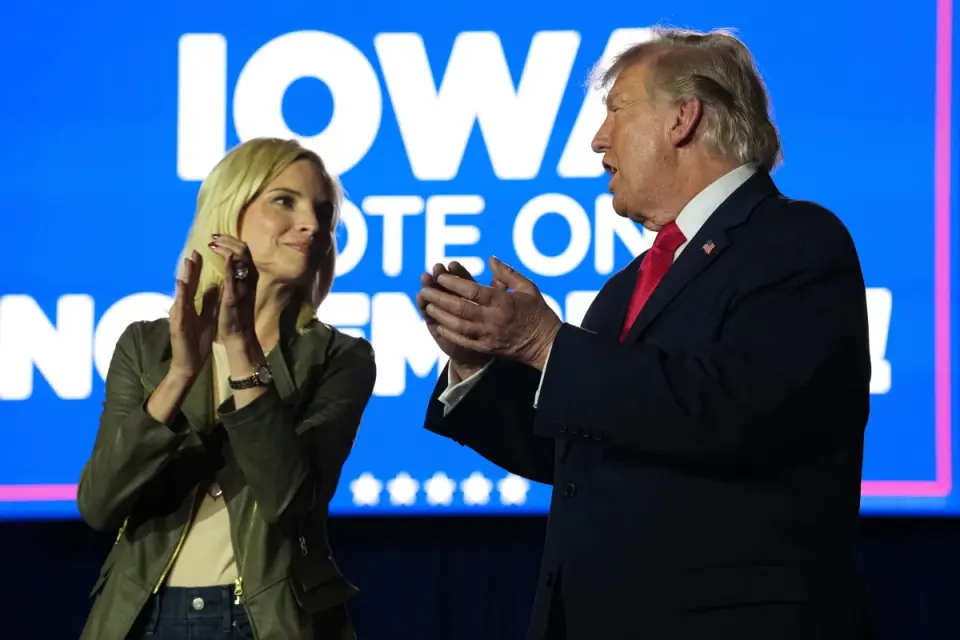
The 2026 midterm elections are defined by widespread voter dissatisfaction with President Donald Trump’s administration, with corruption and rising costs cited as the primary drivers of potential Democratic gains. While Republicans face a historic risk of losing both chambers of Congress, structural advantages from recent gerrymandering may limit the scale of Democratic victories. The race is also marked by unprecedented federal election monitoring and intense debate over the definition of corruption, with Democrats linking ethical lapses to economic hardship.
Key points
- Polls indicate roughly 75% of voters are dissatisfied with the country's direction, with 60% blaming Trump’s policies for high prices.
- Corruption is the top issue for voters, with 88-89% expressing concern, surpassing inflation and healthcare in importance.
- Democrats are targeting majorities in both the House and Senate, a feat achieved only three times since World War II.
- The Department of Justice deployed 1,000 federal monitors to polling places, a move critics describe as an intimidation tactic.
- Recent redistricting efforts by Republican states may limit Democratic gains despite high voter anger, spreading conservative support across more districts.
Background
This election follows a period of significant political polarization and economic strain. Previous coverage noted that Virginia House races remained undecided due to mail ballot delays, while Illinois voters faced a gubernatorial rematch amid ballot shortages. The current cycle is also shaped by a Supreme Court ruling that gutted parts of the Voting Rights Act, allowing Southern states to redraw districts that had been majority Black. Additionally, Trump’s administration has faced scrutiny over its handling of non-citizen voting claims and its deployment of federal agents to monitor elections, which some watchdogs view as an attempt to interfere with the democratic process.
How outlets are covering it
AP News emphasizes the historical precedent of midterm losses for the party in power, noting that while voters are angry, gerrymandering may cap Democratic gains. The Guardian highlights the contrast between the administration’s focus on welfare fraud and the public’s concern over elite self-dealing, noting that Trump’s wealth increased significantly during his second term. The New Republic argues that the anti-corruption message is resonating because it allows Democrats to attack Republicans without directly invoking Trump in deep-red districts. The New Yorker notes that corruption is a bipartisan issue, but the current administration’s actions have made it a central electoral mechanism, with Republicans struggling to counter the narrative of a 'corruption tax' on everyday costs.
Why it matters
The outcome of these midterms will determine the balance of power in Congress for the next two years, potentially curbing or amplifying the president’s authority. A Democratic victory could lead to increased oversight and investigations into executive actions, while a Republican hold would maintain the current political trajectory. The election also serves as a referendum on the effectiveness of anti-corruption messaging and the impact of redistricting on democratic representation.
What to watch
Analysts are watching early results from key states like Pennsylvania, Florida, and Virginia to gauge the overall trend. If Democrats fail to win the Senate, it could signal a stronger-than-expected Republican performance despite high dissatisfaction. The long-term implications include the potential for a wide-open presidential nominating fight in 2028 if Democrats win broadly, or a consolidation of the progressive wing if they lose key battlegrounds.
- Cost of living, corruption top issues and voters deeply unhappy with Trump: Early election takeaways AP News
- Trump beware: US voters are concerned about government corruption The Guardian
- The Democrats’ Anti-Corruption Message Is Breaking Through The New Republic
- Corruption on the Ballot The New Yorker
- The Backlash to Corruption Is Going Global The Atlantic
Want the full story? Read the original reporting
Read on AP News