
DOJ Deploys Record 1,000 Monitors to 120 Jurisories, Skewing Democratic
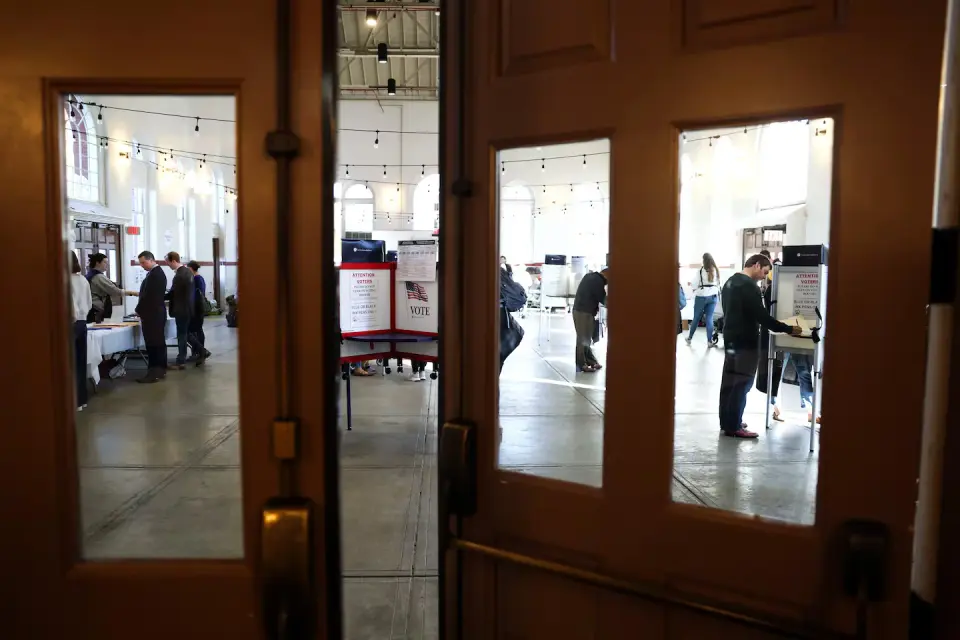
The U.S. Department of Justice has deployed approximately 1,000 election monitors to over 120 jurisdictions across all 50 states for the November 3, 2026, midterm elections, labeling it the largest such effort in its history. While the department frames the initiative as a measure to ensure compliance with federal voting laws and maintain transparency, a Washington Post analysis indicates that nearly two-thirds of the selected jurisdictions consistently voted for Democratic candidates in recent presidential cycles. Critics and voting rights groups argue the deployment risks voter intimidation, particularly in areas with high minority populations, while the DOJ maintains the observers are acting in a nondiscriminatory manner.
Key points
- The Justice Department deployed roughly 1,000 monitors to 120 jurisdictions, described as a record-setting effort for election integrity.
- A Washington Post analysis found that at least 89 of the monitored jurisdictions voted for the Democratic candidate in the last three presidential elections.
- Monitors are tasked with observing compliance with the Voting Rights Act, Help America Vote Act, and other federal statutes.
- In St. Louis, officials confirmed monitors must remain at least 50 feet from polling places and may only speak to voters voluntarily.
- Voting rights organizations, including the NAACP, expressed concern that the federal presence could suppress turnout among minority groups.
Background
This deployment follows a series of earlier announcements in late October 2026 regarding the scope of the federal monitoring effort. Previous coverage highlighted that Democratic leaders and civil rights groups mobilized tens of thousands of volunteers to counter the federal presence, creating a dual-monitoring strategy in states like Pennsylvania. Earlier reports also noted legal challenges and disputes over ballot verification in California, as well as strict guidelines issued by local election officials to ensure federal agents did not interfere with voting processes. The current deployment represents the culmination of these pre-election preparations, with the DOJ emphasizing its commitment to transparency despite ongoing political tensions.
How outlets are covering it
The Washington Post emphasizes the partisan skew of the deployment, noting that 89 of the monitored jurisdictions consistently voted Democratic, while only 29 consistently voted Republican. In contrast, the Department of Justice, through Assistant Attorney General Harmeet K. Dhillon, frames the effort as a neutral, assertive pursuit of transparency and compliance with federal laws. USA Today highlights the geographic diversity of the deployment, noting that monitors are present in both strongly Republican and Democratic areas, but also points to concerns from voting rights groups about potential suppression. STLPR and WCHS provide local perspectives, confirming that monitors are adhering to distance restrictions (50 to 100 feet) and that interactions with voters are voluntary. While the DOJ insists the operation is nondiscriminatory, critics argue the concentration in Democratic-leaning areas and the presence of federal agents could intimidate voters, particularly in minority communities.
Why it matters
The scale and geographic distribution of the federal monitoring effort raise significant questions about the neutrality of election oversight in a polarized political climate. If the deployment is perceived as partisan, it could undermine public confidence in the integrity of the midterm results. Furthermore, the potential for voter intimidation, particularly in communities with high minority populations, could have tangible effects on turnout and the final outcome of close races. The legal and political backlash, including counter-deployments by state and local officials, indicates that this issue is likely to remain a focal point of post-election scrutiny and potential litigation.
What to watch
Election officials and observers will continue to monitor the conduct of the federal agents throughout the day. State and local election boards are expected to enforce strict guidelines regarding the distance and interaction of monitors with voters. Following the election, the results will likely be scrutinized for any discrepancies or complaints related to the federal presence. Legal challenges may arise if voting rights groups allege that the deployment violated federal or state laws regarding voter access and non-interference. The DOJ may issue further statements or reports detailing the findings of the monitors, potentially leading to additional debates over the efficacy and impartiality of the initiative.
- Justice Dept. election monitors overwhelmingly deployed to Democratic locales The Washington Post
- See where election monitors are going and how those counties voted in 2024 USA Today
- Trump administration is monitoring polling places in St. Louis, St. Clair and Madison counties STLPR
- Poll watchers from several organizations and the Department of Justice on the ground in Maine Portland Press Herald - Maine Sunday Telegram
- Kanawha County subjected to election monitoring as part of nationwide effort by DOJ WCHS
Want the full story? Read the original reporting
Read on The Washington Post