
Supreme Court rejects Trump bid to segregate California ballots
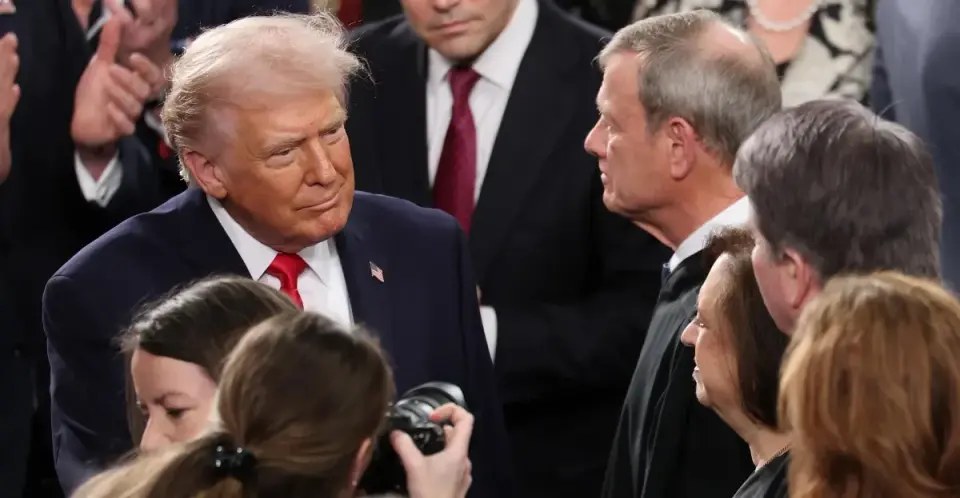
The US Supreme Court rejected the Trump administration's emergency request to force California to segregate up to 20,000 mail-in ballots. The court issued a brief order without explanation or noted dissents, allowing California to proceed with counting votes for the November 3 midterms. This decision follows a series of lower court rulings that blocked the Justice Department's attempts to interfere with state election procedures.
Key points
- The Supreme Court denied the Trump administration's final bid to intervene in the 2026 midterms by forcing California to set aside ballots allegedly cast by noncitizens.
- The Justice Department had sent a list of over 20,000 names to California election officials in mid-October, demanding they sequester the ballots and threatening prosecution for non-compliance.
- California officials and voting rights groups challenged the list's accuracy and methodology, noting that the DOJ refused to provide underlying evidence or source data.
- Lower courts, including a district judge and the 9th Circuit Court of Appeals, had previously blocked the DOJ's threats and sequestration demands, citing the lack of legal basis and potential intimidation.
- The Supreme Court's ruling, issued without explanation, effectively ended the federal government's legal interference in California's election process just before Election Day.
Background
This dispute emerged as part of a broader federal effort to assert greater oversight over elections and promote claims of noncitizen voter fraud. The administration had also pursued similar actions in Washington state and filed criminal charges against green card holders in California. Previous coverage noted that the Supreme Court had already rejected similar emergency requests, marking a significant legal defeat for the administration ahead of the midterms. The case highlighted tensions between federal authorities and state election officials, with critics accusing the DOJ of using intimidation tactics to cast doubt on the election process.
How outlets are covering it
Vox emphasized the baffling nature of the Trump administration's focus on California, a solid blue state with no close statewide races, and framed the lawsuit as a last-ditch attempt to involve the Supreme Court in the midterms. The Guardian highlighted the lack of evidence provided by the DOJ and the pushback from state officials and voting rights groups, noting that the court's rejection was a decisive blow to the administration's efforts. Yahoo reported on the 9th Circuit's en banc decision, which initially stayed the district court's order but was later overturned, illustrating the whiplash-inducing series of rulings. Axios, while not providing detailed coverage, noted the dismissal of election limits on the Trump administration by an appeals court, aligning with the broader trend of courts blocking federal interference. The perspectives collectively underscore the legal and political battles surrounding the administration's attempts to influence the midterms through questionable claims of noncitizen voting.
Why it matters
The Supreme Court's rejection of the Trump administration's bid to segregate California ballots underscores the judiciary's role in safeguarding state election procedures and preventing federal overreach. The decision reinforces the principle that state governments have primary authority over their elections, limiting the executive branch's ability to interfere with the counting of votes. This ruling may have implications for future federal-state conflicts over election integrity and could influence how similar challenges are handled in subsequent elections. Additionally, the case highlights the importance of transparency and evidence in federal claims regarding voter eligibility, as the lack of supporting data from the DOJ raised significant concerns about the legitimacy of the administration's actions.
What to watch
With the Supreme Court's rejection, California is expected to proceed with counting the disputed ballots for the November 3 midterms. The Justice Department may continue to pursue other legal avenues or focus on states where it has not faced similar court blocks. The outcome of the midterms will likely influence the political landscape, with Democrats favored to win the House and key Senate races. The administration's broader efforts to assert federal oversight over elections may face further legal challenges, and the case could set precedents for future disputes over voter eligibility and federal-state relations.
- Trump makes one last attempt to get the Supreme Court to interfere with the midterms Vox
- Trump wins Election Day court battle over ballot demands, poll worker threats Axios
- Full 9th Circuit caps whiplash-inducing series of election orders by backing DOJ’s 'core' functions until further notice Yahoo
- Supreme court rules against Trump over bid to force California to set aside ballots The Guardian
- Judge Declines to Halt D.H.S. Demands for States to Screen Ballots The New York Times
Want the full story? Read the original reporting
Read on Vox