
Michigan Senate Campaign Fractures Over Jewish Endorsements and Verification Failures
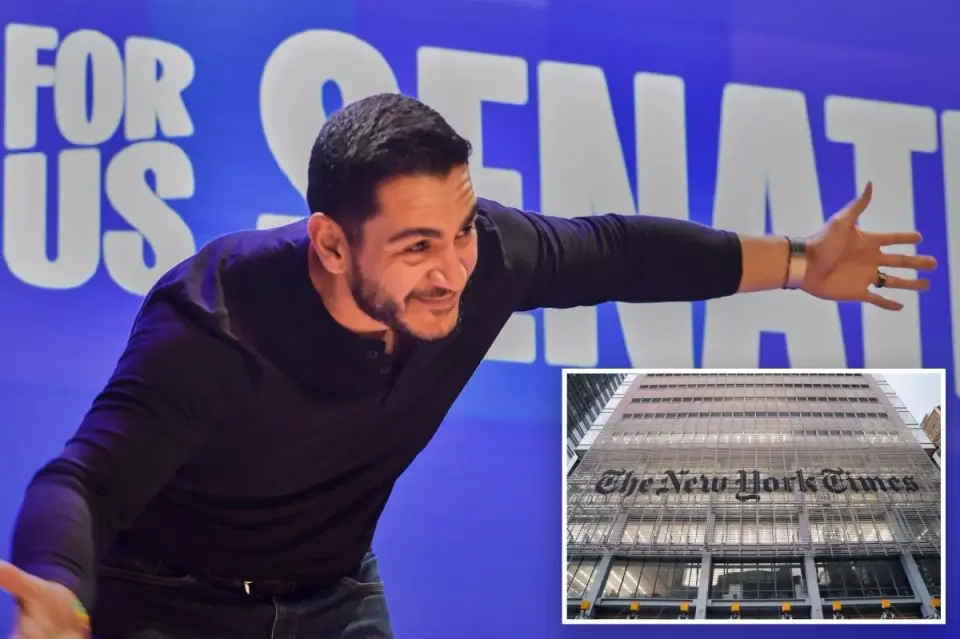
The Michigan Senate race between Democrat Abdul El-Sayed and Republican Mike Rogers has become a flashpoint for intra-party conflict, particularly regarding Jewish voters. While El-Sayed secured endorsements from prominent figures like Pennsylvania Gov. Josh Shapiro, he faces intense criticism from groups like Nonnegotiable, which demands explicit support for Israel. Controversy erupted when The New York Times published a list of Jewish supporters that included a likely fictitious name, 'Jack Mehoff,' undermining the credibility of the endorsement drive. Meanwhile, former primary rival Haley Stevens endorsed Rogers, citing El-Sayed's rhetoric on Israel, despite El-Sayed's attempts to unify the party. The dispute highlights deep divisions within the Democratic coalition over Israel policy and antisemitism, with both sides accusing the other of exploiting Jewish concerns for political gain.
Key points
- The New York Times faced backlash for publishing a list of Jewish supporters for El-Sayed that included 'Jack Mehoff,' a name not found in Michigan State University records, raising questions about verification.
- Pennsylvania Gov. Josh Shapiro endorsed El-Sayed, prioritizing Senate control over Israel policy disagreements, while former Rep. Haley Stevens endorsed Rogers, citing El-Sayed's rhetoric.
- The group Nonnegotiable, backed by 250 rabbis, demanded El-Sayed affirm support for Israel; he refused, leading some supporters to defect to Rogers.
- El-Sayed has faced criticism for comments on Israel and antisemitism, though he has apologized for remarks made after a synagogue attack and pledged to fight antisemitism.
- The race is viewed as pivotal for Senate control, with over $280 million spent on ads and intense focus on Black and Jewish voter turnout.
Background
The Michigan Senate race has been marked by intra-party tensions since the August primary, where El-Sayed narrowly defeated Haley Stevens. Recent weeks saw Stevens' fiancé and former campaign chair defect to Rogers, citing concerns over El-Sayed's stance on Israel. The New York Times' September story on Jewish support for El-Sayed was part of a broader effort to gauge coalition stability, but the inclusion of unverified names has cast doubt on the endorsement drive. The dispute reflects broader national tensions over Israel policy within the Democratic Party, with groups like Nonnegotiable seeking to assert Jewish priorities in the 2028 presidential cycle.
How outlets are covering it
The New York Times defended its reporting, stating it verified the individuals mentioned in the story and found the letter newsworthy due to notable signatories. However, The New York Post and Washington Free Beacon criticized the Times for publishing an unverified list that included a likely fictitious name, undermining the credibility of the endorsement. Pennsylvania Gov. Josh Shapiro supported El-Sayed, emphasizing the need to win the Senate, while former Rep. Haley Stevens endorsed Rogers, citing El-Sayed's rhetoric on Israel. The group Nonnegotiable, backed by rabbis, demanded El-Sayed affirm support for Israel, but some Jewish leaders, including Rabbi Alana Alpert, criticized the group for driving a wedge between the campaign and Jewish interests. J Street, a liberal Zionist lobby, accused Nonnegotiable of coordinating with AIPAC-aligned figures, while Nonnegotiable organizers denied any partisan affiliation. The dispute highlights differing views on how to balance Israel policy with broader Democratic coalition goals.
Why it matters
The Michigan Senate race is pivotal for Senate control, with over $280 million spent on ads and intense focus on Black and Jewish voter turnout. The dispute over Jewish endorsements and verification failures highlights deep divisions within the Democratic coalition over Israel policy and antisemitism. The outcome could influence future elections, as groups like Nonnegotiable seek to assert Jewish priorities in the 2028 presidential cycle. The race also reflects broader national tensions over Israel policy, with both sides accusing the other of exploiting Jewish concerns for political gain.
What to watch
The Michigan Senate race will conclude on Nov. 3, with the outcome likely to influence Senate control and future elections. The group Nonnegotiable plans to expand its efforts nationally, seeking to assert Jewish priorities in the 2028 presidential cycle. El-Sayed's campaign has pledged to fight antisemitism and has sent mailers to Jewish households, but the dispute over his rhetoric on Israel remains a key issue. The race will also serve as a test case for how Democratic coalitions navigate Israel policy and antisemitism in future elections.
- NY Times mocked over story claiming Abdul El-Sayed's Jewish supporters include man named 'Jack Mehoff' New York Post
- Gov. Josh Shapiro was asked about Michigan Rep. Haley Stevens. Here is what he said. Inquirer.com
- Josh Shapiro Backs El-Sayed in Michigan Race Despite Israel Criticism Yahoo
- Jews for Abdul co-founder: Younger Jews more willing to 'think outside the "Israel at all costs" box' The Times of Israel
- These Michigan rabbis couldn't move El-Sayed. Undeterred, they're starting a national movement. Jewish Telegraphic Agency
Want the full story? Read the original reporting
Read on New York Post