
Alito Steps Aside in Landmark Climate Case, Setting Stage for 4-4 Split
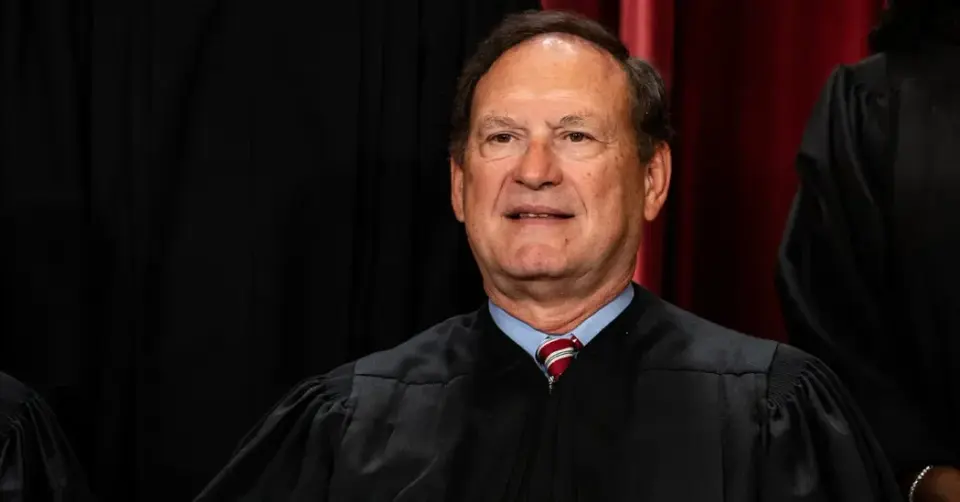
Justice Samuel Alito recused himself from Suncor Energy v. County Commissioners of Boulder County, a pivotal climate case, days before oral arguments. The move follows pressure over his oil stock holdings and may result in a 4-4 split, leaving lower-court rulings intact.
Key points
- Alito announced his recusal via a one-sentence letter from the Supreme Court clerk on September 28, 2026, without providing a specific reason.
- The case, scheduled for argument on October 5, determines whether federal law preempts state tort claims against oil companies for climate damages.
- Alito holds stock in ConocoPhillips and Phillips 66, though not in the direct parties Suncor or ExxonMobil, prompting calls for recusal from watchdog groups.
- The recusal creates a potential 4-4 split on the court, which could leave lower-court rulings in favor of climate plaintiffs intact.
- This decision reverses a May 2026 statement by a court spokesperson that Alito did not need to recuse himself due to lack of direct financial interest in the parties.
Background
In May 2026, a Supreme Court spokesperson told NBC News that Alito did not have to recuse himself from the case because he did not hold stock in the specific companies involved. However, environmental and court watchdog groups continued to pressure him, citing his broader holdings in the oil industry and a 2023 luxury fishing trip with Paul Singer, an investor in Suncor. The Supreme Court adopted a new code of ethics in November 2023, which allows justices to recuse themselves if their impartiality could be questioned, though it does not require them to provide reasons. The case is the first to be argued when the court returns from its summer break on Monday.
How outlets are covering it
The New York Times and CNN emphasize the pressure from environmental groups and the lack of a stated reason for the recusal, noting that Alito had previously resisted calls to step aside. The Guardian highlights the potential indirect benefit Alito could receive from a decision favoring the oil industry, citing his holdings in other oil companies. Vox focuses on the legal arguments in the case, noting that the oil companies are arguing that state tort laws are preempted by federal law and separation of powers principles. All sources agree that the recusal is a significant development given the timing and the potential impact on the outcome of the case.
Why it matters
The case could determine whether oil companies face billions of dollars in potential liability for damages from climate change. A 4-4 split on the Supreme Court would leave lower-court rulings in favor of climate plaintiffs intact, potentially allowing similar state-level lawsuits to proceed. The recusal also raises questions about the impartiality of the Supreme Court and the effectiveness of its code of ethics.
What to watch
The Supreme Court is scheduled to hear oral arguments in Suncor Energy v. County Commissioners of Boulder County on October 5, 2026. The outcome of the case could have broad implications for numerous other lawsuits filed by state and local governments seeking damages for climate change. The court's decision will also determine whether federal law preempts state tort claims against oil companies for climate damages.
- Justice Alito Recuses Himself Days Before Major Climate-Change Case The New York Times
- Justice Samuel Alito recuses himself from major Supreme Court climate change case CNN
- Samuel Alito steps aside in a major climate case amid scrutiny over oil stock holdings The Guardian
- Big Oil has an audacious request for the Supreme Court vox.com
- Justice Alito will no longer participate in climate change dispute SCOTUSblog
Want the full story? Read the original reporting
Read on The New York Times