
Beef Prices and Import Policies Become Central Issues in 2026 Midterm Campaigns
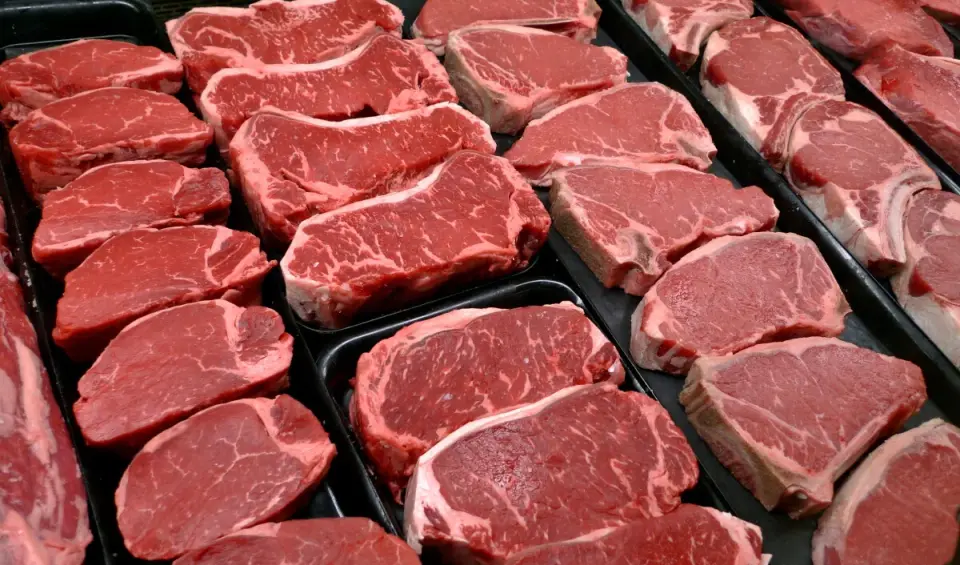
Meat affordability has emerged as a significant political issue for the 2026 midterm elections, with candidates debating the effectiveness of recent tariff adjustments and import strategies. While the administration aimed to lower costs through temporary tariff relief on foreign beef, market analysis suggests these measures have failed to reduce consumer prices, instead depressing cattle values and angering domestic ranchers. This policy failure has deepened rural Republican backlash, turning beef supply and pricing into a key battleground for agricultural states.
Key points
- The Trump administration lifted tariffs on up to 300,000 metric tons of lean beef trimmings for 90 days to ease prices, but this move has not achieved the promised 25% cost reduction for consumers.
- Market analysis indicates that the influx of imported beef is depressing cattle values without lowering retail prices, creating a rift between the White House and domestic producers.
- Ranchers and vulnerable Republicans in agricultural states are increasingly angry over the import strategy, viewing it as a short-term fix that undermines long-term domestic production.
- Experts argue that rebuilding U.S. cattle herds requires years of investment in domestic processing and production, rather than relying on opaque foreign imports.
- The failure of the beef import strategy to lower prices has intensified political backlash ahead of the 2026 midterms, making meat affordability a central campaign issue.
Background
This development follows earlier reports in September 2026 regarding the temporary lifting of beef tariffs and the administration's push for on-farm slaughter. Previous coverage highlighted concerns from ranchers like Ben Spell, who argued that imports would not rebuild U.S. herds and that mandatory country-of-origin labeling was necessary for transparency. Additionally, experts had raised feasibility and safety concerns about the on-farm processing initiative, noting that most beef is processed in large federally inspected facilities. The current situation reflects the culmination of these policy attempts, which have failed to deliver the promised consumer savings and have instead exacerbated tensions in rural areas.
Why it matters
The beef price issue highlights the broader challenges of balancing consumer affordability with domestic agricultural interests. The failure of the import strategy to lower prices while depressing cattle values has created a political rift that could influence voter sentiment in agricultural states. This issue underscores the complexity of trade policy and its impact on both consumers and producers, making it a critical factor in the 2026 midterm elections.
What to watch
Candidates are likely to continue debating the effectiveness of current beef policies and propose alternative solutions, such as expanding domestic processing capacity or implementing mandatory country-of-origin labeling. The administration may face increased pressure to address the concerns of ranchers and consumers, potentially leading to further policy adjustments or legislative proposals. The outcome of the midterms could influence the future direction of U.S. agricultural and trade policies.
Want the full story? Read the original reporting
Read on AP News