
El-Sayed’s Historic Senate Win Sparks Oil Drop and Identity Debates
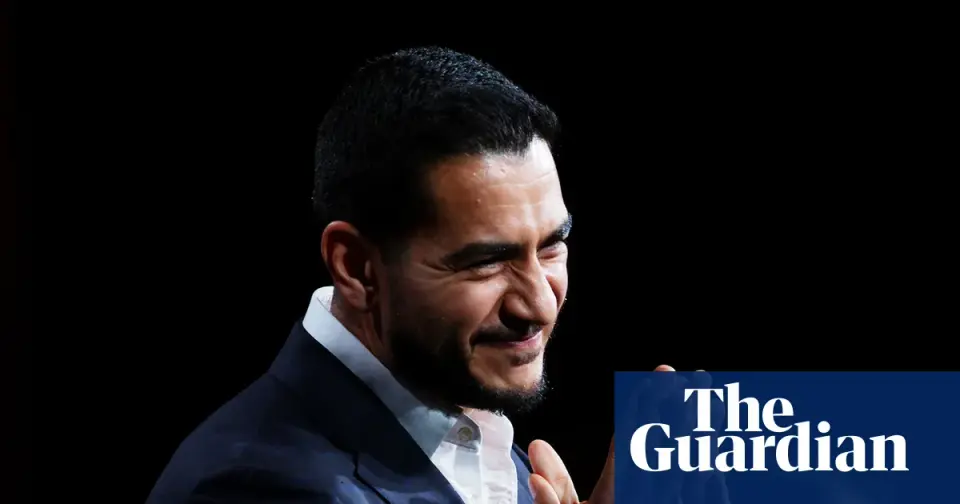
Abdul El-Sayed became the first Muslim U.S. senator after defeating Mike Rogers in Michigan by seven points. His victory, part of a broader Democratic wave, triggered a 9% drop in oil prices due to expectations of ending the Iran war. While the win was hailed as a victory against Islamophobic attacks, it also exposed tensions within the Democratic coalition, particularly among Jewish voters who supported other candidates by wider margins.
Key points
- El-Sayed won 52.5% of the vote against Mike Rogers, securing the first Muslim seat in the U.S. Senate.
- Brent crude fell 9% to $94 a barrel, the lowest in two months, as markets priced in potential Democratic pressure to end the Iran war.
- El-Sayed’s margin among Jewish voters lagged behind other Democrats; in Huntington Woods, he trailed Governor-elect Jocelyn Benson by 15 points.
- Trump and GOP allies, including JD Vance and Ted Cruz, launched Islamophobic attacks, calling El-Sayed a jihadist and linking him to the Muslim Brotherhood.
- El-Sayed vowed to work with the administration but criticized Vance, calling him odious, while maintaining his stance on ending U.S. military aid to Israel.
Background
El-Sayed’s campaign followed a contentious primary where Rep. Haley Stevens, a Michigan Democrat, endorsed the Republican challenger, fracturing the party. The 2024 election saw Arab American voters shift away from Democrats over Israel policy, a dynamic that influenced 2026 turnout. The broader Democratic wave included wins in Texas and Nevada, marking a significant repudiation of the current administration.
How outlets are covering it
The Guardian and New York Times emphasized the symbolic weight of El-Sayed’s faith, noting that many Muslim voters supported him for progressive policies rather than religious identity. The Washington Post highlighted the immediate economic impact, linking the election to oil price drops. Politico provided a granular analysis of Jewish voter behavior, showing El-Sayed’s underperformance in specific communities compared to other Democrats. While The Guardian focused on the backlash against Islamophobia, The New York Times noted that anti-Muslim attacks may have mobilized the community, creating a complex dynamic of solidarity and division.
Why it matters
El-Sayed’s election signals a shift in American political demographics, with Muslims gaining visibility in high-level office. The oil price drop indicates that the Iran war is a key economic driver for voters. The tension between El-Sayed and Jewish voters highlights the fragility of the Democratic coalition on Israel policy, which could influence future legislative battles and the 2028 presidential cycle.
What to watch
El-Sayed will take his seat in January, likely receiving a leadership role in the Senate. He has indicated he will work with the administration on Michigan issues but will oppose military aid to Israel. The administration’s stance on the Iran war may shift as Democrats push for an end to the conflict. Sentencing for Russell Brand, convicted of rape and sexual assault, is scheduled for Monday, though this is unrelated to the political developments.
- ‘I didn’t expect to be a main character’: Abdul El-Sayed heads to the Senate with a mandate – and a spotlight The Guardian
- How Abdul El-Sayed actually did with Jewish voters Politico
- Abdul El-Sayed’s Senate Win Is Big to Muslim Americans, but Not Because of Faith The New York Times
- Oil prices hit two-month low following decisive midterm election results The Washington Post
- ‘Of course not': Abdul El-Sayed says ‘Life of a Showgirl' isn't Taylor Swift's best album NBC 5 Chicago
Want the full story? Read the original reporting
Read on The Guardian