
Fifth Circuit voids 2022 spending bill over pandemic proxy voting, halts pregnant worker protections in Texas
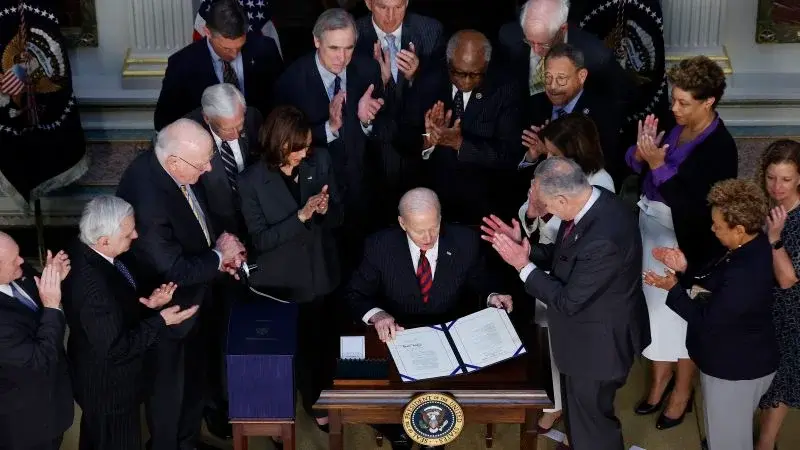
A divided Fifth Circuit panel ruled that the House of Representatives violated the Constitution’s Quorum Clause by using proxy voting to pass the $1.7 trillion fiscal 2023 spending package in 2022. While the court declared the entire bill unconstitutional, it limited the immediate legal effect to blocking the Pregnant Workers Fairness Act in Texas, a move that could trigger broader challenges to other laws passed during the pandemic.
Key points
- The Fifth Circuit Court of Appeals issued a 9-8 ruling on Friday, declaring that proxy votes do not count toward a constitutional quorum.
- The majority opinion, written by Judge Cory Wilson, stated that the House’s use of proxy voting during the pandemic violated the Quorum Clause, which requires physical presence.
- The court invalidated the entire $1.7 trillion omnibus bill passed in 2022, which included $45 billion in aid to Ukraine and $40 billion for disaster relief.
- Despite invalidating the whole bill, the court restricted the ruling’s immediate impact to the enforcement of the Pregnant Workers Fairness Act in Texas.
- Texas Attorney General Ken Paxton initiated the case in 2023 to block the federal law requiring accommodations for pregnant workers.
- Judge James Graves Jr. dissented, arguing that no member objected to the quorum at the time and that the majority’s interpretation shoehorned a larger requirement into the Constitution.
Background
This ruling follows a 2024 district court decision in favor of Texas and a subsequent Fifth Circuit panel decision that was vacated when the full court agreed to hear the case en banc. The 2022 spending bill was passed during a period of high coronavirus risk, leading to accommodations for remote voting. Previous federal courts had rejected similar challenges, citing the Speech or Debate clause, but this en banc decision marks a significant shift in interpreting the Quorum Clause. The case, State of Texas v. Blanche, highlights ongoing tensions regarding the validity of pandemic-era legislative procedures and the scope of federal labor protections.
How outlets are covering it
CNN emphasizes the constitutional violation and the narrow scope of the ruling, noting that the majority opinion by Judge Wilson focused on the lack of an established emergency. The New York Times highlights the practical impact, stating the decision effectively invalidates the law in Texas, Louisiana, and Mississippi, affecting about 20 million women. Bloomberg Law News provides a detailed legal analysis, noting that the ruling opens the door to new challenges against other Biden-era legislation and that the dissenting judge questioned how the scope could be limited to a single provision of a multi-trillion dollar bill. All sources agree that the decision is likely to be appealed to the Supreme Court, but they differ in their emphasis on the potential national ramifications versus the specific legal technicalities of the Quorum Clause.
Why it matters
The ruling creates legal uncertainty for federal laws passed during the pandemic, potentially affecting a wide range of legislation beyond the Pregnant Workers Fairness Act. It highlights the fragility of legislative procedures adopted during emergencies and sets the stage for a significant Supreme Court case that could define the boundaries of congressional power and the interpretation of the Constitution’s Quorum Clause. The decision also has immediate practical consequences for pregnant workers in Texas and potentially other states, as it halts enforcement of federal protections for accommodations such as bathroom breaks and relief from heavy lifting.
What to watch
The case is expected to be appealed to the US Supreme Court, where the validity of proxy voting and the interpretation of the Quorum Clause will be tested. Legal experts anticipate that other states or interest groups may challenge other laws passed with proxy votes during the pandemic. The ruling could also influence future congressional procedures, potentially forcing a return to in-person voting or leading to new legal challenges regarding the constitutionality of remote legislative actions. The outcome of the Supreme Court case will determine whether the Pregnant Workers Fairness Act and other pandemic-era laws remain in effect or are struck down nationwide.
- Biden-era spending law found unconstitutional by federal appeals court CNN
- US House unconstitutionally passed spending bill in 2022, court rules Reuters
- Federal Court Halts Pregnant Workers’ Protection Law The New York Times
- Pandemic-era law passed unconstitutionally because of proxy voting, appeals court rules The Washington Post
- Congress Proxy-Voting Found Unconstitutional by Fifth Circuit Bloomberg Law News
Want the full story? Read the original reporting
Read on CNN