
Judge Cooper Weighs Motion to Lift Injunction Blocking Kennedy Center Closure
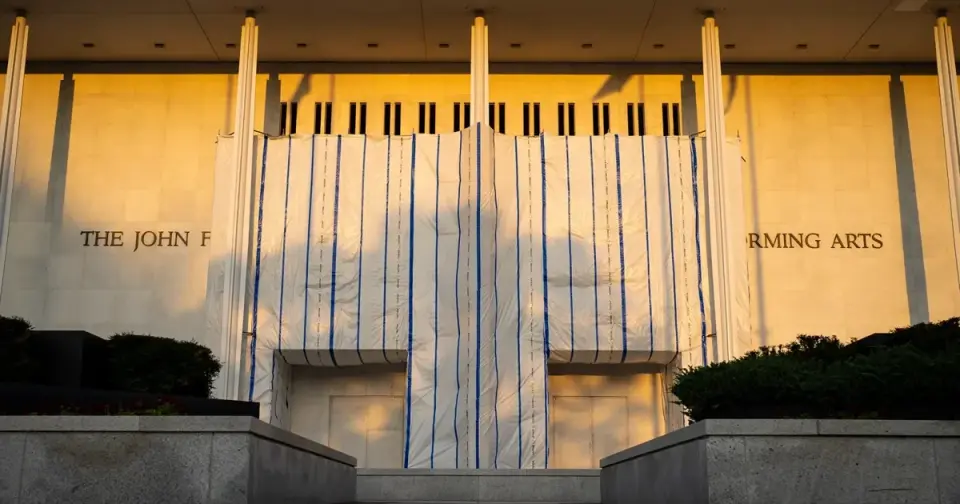
U.S. District Judge Christopher Cooper is considering whether to dissolve a preliminary injunction that blocks the Trump administration from closing the Kennedy Center for two years of renovations. The hearing focused on whether the closure is a necessary safety measure or a political tactic to force a renaming.
Key points
- Judge Cooper heard arguments on Thursday regarding the dissolution of a May order that temporarily blocked the Kennedy Center’s closure.
- The Justice Department argues a two-year complete closure is the most financially viable option to address structural decay, citing consultant reports.
- Plaintiffs, led by Rep. Joyce Beatty, argue the closure is a 'sham' designed to cover financial mismanagement and force the addition of Trump’s name to the building.
- The main building has been closed since September, and the upcoming Kennedy Center Honors ceremony was moved to Capital One Arena.
- Cooper ordered the DOJ to submit documents regarding Trump’s involvement in the decision-making process by Friday for private review.
Background
This dispute follows a May 2026 ruling by Judge Cooper, which temporarily blocked the closure while permanently barring the administration from renaming the center to honor President Trump. The center’s board, largely appointed by Trump, voted to close the facility in August and September, citing safety concerns. Previous coverage noted that despite the closure, the National Symphony Orchestra continued rehearsals in the building, highlighting a contrast between the administration’s claims of imminent collapse and the venue’s continued operational use by some staff.
How outlets are covering it
The Justice Department, represented by William Jankowski, maintains that the board’s decision to close for two years was reasonable and based on independent assessments from construction firms and real estate experts. They argue that a phased four-year renovation would cost hundreds of millions more and cause 'hemorrhaging' of funds. Conversely, attorneys for Rep. Joyce Beatty, including Nathaniel Zelinsky, contend that the process was 'foreordained' to please Trump and that the closure is a cover for financial embarrassment resulting from the attempted renaming. Beatty’s team argues that the administration is holding the institution hostage by linking funding to the renaming. Judge Cooper appeared skeptical of both sides, questioning the plaintiffs on the financial viability of keeping the center open without performances, while also pressing the government on whether the two-year plan was the only option presented to Congress.
Why it matters
The outcome of this case will determine whether the Kennedy Center, a major national cultural institution, remains open for performances or shuts down for a multi-year renovation. It also tests the limits of presidential influence over federal cultural institutions and the legal boundaries of renaming public buildings without congressional approval.
What to watch
Judge Cooper has not set a specific timeline for his ruling but indicated he would decide 'as soon as' possible. He is reviewing documents submitted by the DOJ regarding Trump’s communications with Kennedy Center staff. The next Kennedy Center Honors ceremony is scheduled for December 7 at Capital One Arena, regardless of the court’s decision on the main building’s status.
- Judge considers clearing the way for Kennedy Center closure MS NOW
- Trump-led Kennedy Center presses judge to allow two-year shutdown The Washington Post
- Trump administration urges judge to lift order blocking Kennedy Center’s two-year closure AP News
- DOJ asks federal judge to allow Kennedy Center to completely close for two years for renovations Yahoo
- Justice Department urges federal judge to let 2-year Kennedy Center closure go forward The Hill
Want the full story? Read the original reporting
Read on MS NOW