
Post-Midterm Trump Faces Investigative Storm and Foreign Policy Gambits
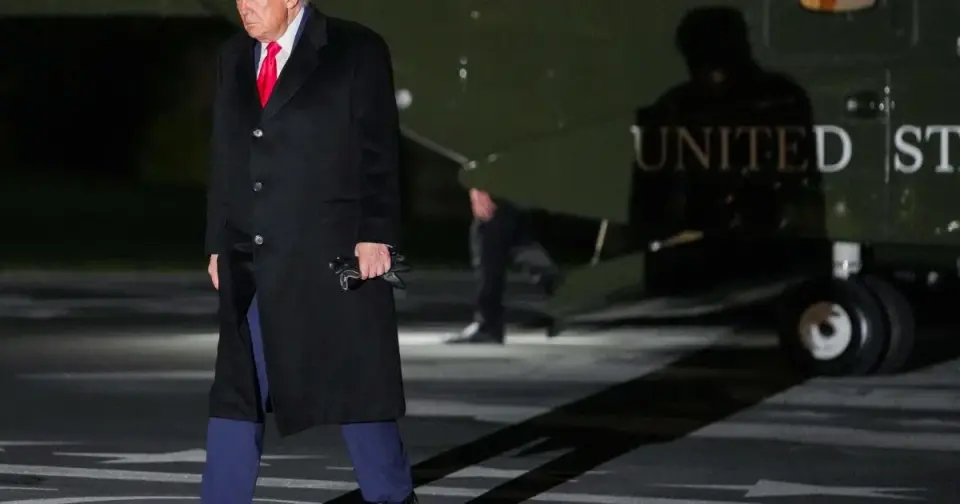
Following a decisive Democratic victory in the 2026 midterm elections, President Donald Trump enters a two-year lame-duck period characterized by legislative gridlock and intense scrutiny. With Democrats controlling both chambers of Congress, Trump faces a wave of investigations into his family’s business dealings and potential impeachment threats. Unable to pass major domestic legislation, the president is expected to pivot toward unilateral foreign policy actions, particularly regarding Iran and Cuba, while relying on executive orders and vetoes to maintain influence. The shift marks a significant change in the balance of power, as Trump’s domestic political capital erodes while his ability to act abroad remains largely unchecked by Congress.
Key points
- Democrats won commanding majorities in the House and Senate, ending Republican control and blocking Trump’s legislative agenda.
- House Democrats, led by Hakeem Jeffries, plan a 100-day agenda to reverse tariffs, restore healthcare subsidies, and end the Iran war.
- Trump has declared himself 'Mr. Veto,' promising to block Democratic bills, though he lacks the two-thirds majorities needed to override vetoes.
- Democrats are launching aggressive investigations into the Trump family’s business dealings, corporate corruption, and the Jeffrey Epstein files.
- Foreign Affairs analysts warn Trump may pursue risky military actions in Iran or Cuba to salvage his legacy, as Congress has limited power to stop executive foreign policy moves.
- The White House has hired additional lawyers and considered preemptive pardons for staffers in anticipation of Democratic oversight probes.
Background
This development follows a series of pre-election analyses predicting a Democratic 'blue tsunami' that would render Trump a 'super-lame duck' (Archive, Nov 3, 2026). Earlier reports indicated Republican defections over Ukraine policy and energy permitting bills, signaling internal party fractures before the midterms (Archive, Oct 20, 2026). The current situation confirms these predictions, with Democrats now holding the power to investigate and block nominations, a dynamic similar to Trump’s first term but with added Senate control.
How outlets are covering it
Foreign Affairs emphasizes the danger of Trump’s unchecked foreign policy powers, warning that a boxed-in president may lash out against Iran or Cuba to secure a legacy, noting that Congress cannot easily constrain such actions. CNBC focuses on the domestic legislative clash, highlighting Trump’s 'Mr. Veto' strategy and the Democratic push to reverse his tariffs and healthcare cuts, while noting the difficulty of overriding vetoes without Republican support. CNN provides an insider view of the White House’s defensive posture, detailing the hiring of lawyers, the consideration of preemptive pardons, and the internal debate over whether to blame Defense Secretary Pete Hegseth for the Iran war’s impact on the election. NBC New York underscores the shift in power to Capitol Hill, noting that Democrats can now block Supreme Court nominations and launch broad investigations, contrasting with the previous two years of congressional acquiescence. While all sources agree on the Democratic victory’s impact, Foreign Affairs and CNN focus on foreign policy risks and internal White House panic, respectively, whereas CNBC and NBC New York concentrate on the legislative and investigative battles in Congress.
Why it matters
The outcome of the 2026 midterms fundamentally alters the balance of power in the U.S. government, shifting control from the executive to the legislative branch for the first time in Trump’s second term. This transition triggers a new phase of political conflict, with Democrats poised to use their majority to investigate the president and his allies, potentially leading to impeachment proceedings. Simultaneously, Trump’s diminished domestic power may drive him to pursue aggressive foreign policy initiatives, such as military action in Iran or Cuba, which could have significant global economic and security implications. The inability of Congress to effectively check these executive actions highlights the risks of a lame-duck presidency with expanded executive powers, potentially leading to unpredictable international outcomes and domestic political instability.
What to watch
In the immediate term, House Democrats are expected to introduce a flurry of bills in their first 100 hours, including measures to reverse tariffs and restore healthcare subsidies, which Trump will likely veto. Democrats will also launch formal investigations into the Trump family’s business dealings and the administration’s handling of the Jeffrey Epstein files, with House Oversight Committee chair Robert Garcia promising extensive subpoenas. Trump is expected to continue using executive orders to advance his agenda on immigration and spending, while potentially pursuing new military strikes in Iran or regime change in Cuba to salvage his legacy. The White House may issue preemptive pardons for staffers to protect them from legal exposure. In the long term, the Republican Party will face a reckoning over its midterm losses, with discussions about Trump’s successor for the 2028 election likely to intensify as his political capital continues to erode.
- The Dangers of a Lame-Duck Trump Foreign Affairs
- What Republicans' huge loss means for Trump CNBC
- Wars, executive actions, and a lot of construction: How Trump is expected to handle being a lame-duck president CNN
- Opinion | The Beginning of Trump’s Long Goodbye WSJ
- From probes to possible impeachment: What happens to Trump now that Democrats won Congress? NBC New York
Want the full story? Read the original reporting
Read on Foreign Affairs