
Supreme Court Blocks Student ID Use in New Hampshire Midterms, Jackson Dissents
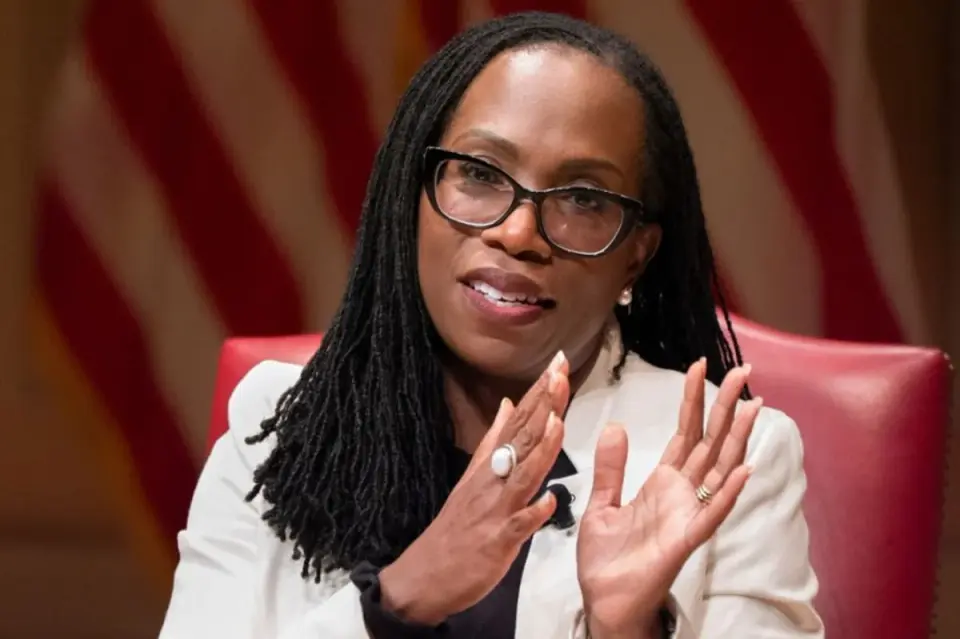
The Supreme Court allowed New Hampshire to ban student IDs as backup voter identification for the November 3 midterms, citing the Purcell principle. Justice Ketanji Brown Jackson was the only public dissenter, arguing the lower court order corrected misinformation rather than altering election rules. The decision impacts a closely watched Senate race and follows a broader national push for stricter voter ID laws.
Key points
- The Supreme Court issued an unsigned order staying a lower court ruling, allowing New Hampshire to enforce a ban on student IDs as backup identification for the Nov. 3 elections.
- Justice Ketanji Brown Jackson dissented, arguing that the district judge’s order was a targeted correction of misleading state guidance, not a change to election rules, and thus did not violate the Purcell principle.
- The dispute stems from HB 323, a law passed in April that removed student IDs from the list of accepted photo IDs, and subsequent guidance by Secretary of State David Scanlan that barred their use as backup evidence.
- The Coalition for Open Democracy sued, arguing the restrictions discriminate against young voters, while the state argued the lower court order caused confusion by requiring the state to undo extensive election preparations.
- The ruling occurs amid a broader national trend of tightening voter ID requirements, with the Trump administration pushing for stricter citizenship verification and other states considering similar measures.
Background
This decision follows Justice Jackson’s recent public criticism of the Supreme Court’s 'shadow docket,' where she warned that rapid emergency rulings undermine judicial integrity. Her dissent in this case aligns with her previous stance that emergency interventions should not override clear lower court orders designed to ensure accurate information. The New Hampshire Senate race is considered pivotal for control of the upper chamber, with Democratic Rep. Chris Pappas facing former Sen. John Sununu.
How outlets are covering it
SCOTUSblog and The Hill emphasized the legal basis of the majority’s decision, highlighting the Purcell principle’s role in preventing voter confusion close to Election Day. Yahoo News framed the ruling within a broader context of stricter voter ID laws nationwide, noting the Trump administration’s push for citizenship verification. Fox News highlighted the political implications, noting the close Senate race and the RNC’s support for the state’s guidance, while also noting Jackson’s history of solo dissents. All sources agreed on the facts of the ruling but differed in emphasis: legal procedure (SCOTUSblog), national trends (Yahoo), and political stakes (Fox News).
Why it matters
The ruling sets a precedent for how courts handle emergency stays in voter ID disputes close to elections. It may influence similar cases in other states and could impact turnout among young voters in New Hampshire, a state with a closely contested Senate race that could determine control of the U.S. Senate. The decision also reflects the ongoing tension between election security measures and voting access, a key issue in the 2026 midterms.
What to watch
The case will proceed on appeal as the state’s challenge moves forward. Voters in New Hampshire will need to use other forms of identification or alternative verification methods on Nov. 3. The ruling may prompt similar legal challenges in other states with voter ID restrictions, and the outcome could influence future Supreme Court cases on election rules and the application of the Purcell principle.
- Ketanji Brown Jackson issues public dissent in New Hampshire voting case AOL.com
- Supreme Court allows New Hampshire to restrict use of student IDs in voting SCOTUSblog
- Voter ID rules are in the spotlight ahead of the midterms. Here's what you need to know before heading to the polls. Yahoo
- Jackson again publicly breaks with Supreme Court as justices side with GOP in last-minute voter ID fight Fox News
- Supreme Court Allows Blanket Ban on Student IDs at Polls in New Hampshire The New York Times
Want the full story? Read the original reporting
Read on AOL.com