
Supreme Court Halts FCC Deadline in Political Ad Rate Dispute
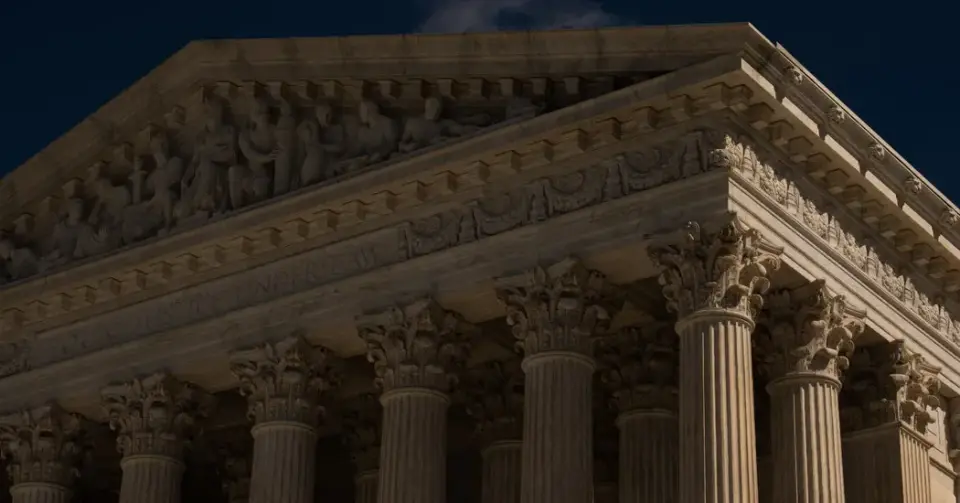
The Supreme Court issued an emergency order on October 14, blocking a lower court’s mandate that forced the Federal Communications Commission to finalize rules on political ad rates. The decision, which favored the Trump administration, prevents Democratic candidates from challenging the new rates before the November midterms. Justices Sotomayor and Jackson dissented, while the majority cited separation of powers concerns.
Key points
- The Supreme Court blocked a 4th Circuit Court of Appeals order that gave the FCC a strict deadline to resolve a dispute over political ad rates.
- The ruling benefits Republicans, as their party committees raise more funds than candidates, allowing them to access lower ad rates previously reserved for candidates.
- The Court’s majority argued that federal law does not require the FCC to act within a specific timeframe and that judicial intervention violates separation of powers.
- Justices Sonia Sotomayor and Ketanji Brown Jackson dissented from the unsigned order.
- This is the second time in months the Court has intervened in this dispute, previously ruling in September that the 4th Circuit lacked jurisdiction to block the policy.
Background
This dispute follows a series of Supreme Court interventions in election-related matters, including a September 2026 ruling that halted a Missouri redistricting fight to preserve the 2022 map for the midterms. The current case involves a March 2026 FCC decision extending low ad rates to political parties, which Democrats challenged as an unlawful expansion of candidate-only benefits.
How outlets are covering it
The New York Times and USA Today emphasize the political advantage for Republicans, noting that Democratic candidates typically raise more funds than their party committees, making the old rules more favorable to Democrats. MS NOW highlights the Democratic argument that the FCC engaged in 'procedural trench warfare' to delay judicial review. Law.com focuses on the legal principle, noting the Court’s 7-2 decision that the judiciary cannot meddle in the workings of another branch of government. All sources agree that the order was unsigned and did not provide a detailed rationale beyond separation of powers concerns.
Why it matters
The ruling ensures that political parties, not just candidates, can access discounted TV and radio ad rates during the 2026 midterms. This could significantly impact campaign spending in battleground races, particularly where Democratic candidates have out-raised their Republican counterparts. The decision also sets a precedent for the limits of judicial intervention in agency rulemaking timelines.
What to watch
The FCC is now free to continue its internal review of the ad rate rules without the pressure of a court-imposed deadline. Democratic candidates may continue to challenge the rules in other forums, but the Supreme Court’s intervention has stalled the immediate legal battle. The outcome of the midterms will likely determine the long-term impact of these ad rate rules.
- Supreme Court Again Sides With Republicans in Political TV Ad Fight The New York Times
- Supreme Court again sides with Trump in campaign ad dispute USA Today
- GOP gets another Supreme Court win in TV political ad fight The Hill
- Supreme Court backs GOP again on political advertising rates ahead of midterms MS NOW
- Supreme Court Says Fourth Circuit Exceeded Authority With 48-Hour Deadline For FCC Law.com
Want the full story? Read the original reporting
Read on The New York Times