
Trump Replaces Struck Tariffs with Section 301 Levies, Igniting New Legal Battles
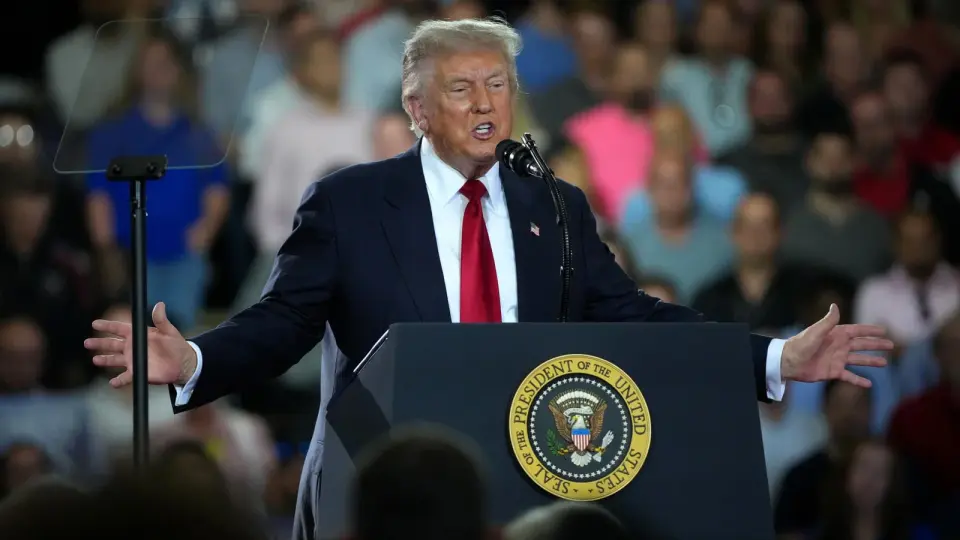
President Trump has implemented new tariffs of 10% to 12.5% on over 80 countries under Section 301, replacing duties struck down by the Supreme Court. While the administration frames this as a forced-labor measure, critics and small businesses argue it is an unlawful attempt to resurrect the previous global tariff regime. Trump dismissed economic concerns, stating the new measures achieve the same results as the invalidated ones.
Key points
- New tariffs of 10% or 12.5% took effect on Friday, replacing a temporary 10% global levy that expired after the Supreme Court ruled it illegal.
- The administration used Section 301 of the Trade Act, citing forced labor concerns, to impose duties on more than 80 countries, including the EU and Taiwan.
- Liberty Justice Center and small businesses like Burlap and Barrel sued, alleging the administration misused Section 301 to bypass congressional approval and replicate the struck-down regime.
- Trump stated in a Fox News interview that the new tariffs are 'doing the same thing' as the illegal ones, calling the new process 'more cumbersome' but effective.
- Trump expressed willingness to let the USMCA trade deal with Canada and Mexico expire rather than renegotiate it, claiming the U.S. does not need those partners.
- Analysts note the average tariff rate fell slightly to 11.1% but is expected to rise to 11.8% by year-end, with potential long-term revenue of $900 billion.
Background
This development follows the Supreme Court's earlier ruling that struck down Trump's 'liberation day' tariffs, which were based on emergency powers. The court had previously limited the president's unilateral authority to impose broad trade duties, leading to the expiration of the temporary 10% global tariff. The administration had previously refunded approximately $81 billion in collected tariffs following that legal defeat. The current move represents the third attempt by the administration to establish a broad tariff structure after previous legal challenges.
How outlets are covering it
CNBC highlights Trump's direct admission that the new tariffs functionally replicate the struck-down ones, framing the move as a workaround for the Supreme Court's decision. The Guardian and Axios emphasize the legal challenges, noting that plaintiffs argue Section 301 is intended for targeted, country-specific remedies rather than blanket global levies. ABC News focuses on the economic impact, noting that while the average tariff rate dipped slightly, the new legal basis may provide greater durability than previous measures. The White House, via spokesman Kush Desai, defends the move as a legally durable tool targeting foreign failures to block forced labor, while critics like Alan Wolff argue Congress did not intend Section 301 for simultaneous application to multiple countries.
Why it matters
The outcome determines whether the U.S. can maintain broad trade barriers without congressional approval, impacting global supply chains and domestic prices. If the new tariffs stand, they could generate significant federal revenue but may also exacerbate inflation and disrupt international trade relationships, particularly with key partners like Canada, Mexico, and the EU. The legal precedent set by these challenges will define the limits of executive power in trade policy for years to come.
What to watch
The Supreme Court or lower federal courts will likely review the new lawsuits filed by small businesses and the Liberty Justice Center. The administration may face further legal challenges as the 150-day window for the temporary tariffs closes. Trump's stance on USMCA could lead to trade tensions with Canada and Mexico if the deal is not renewed. Economic indicators will be watched closely to assess the impact of the new 10% to 12.5% levies on consumer prices and business costs.
- Trump: New tariffs 'doing the same thing' as the ones struck down by Supreme Court CNBC
- Two small American businesses sue Trump administration over new tariffs | Trump tariffs The Guardian
- What Trump’s Latest Tariffs Mean for the American Economy WSJ
- What Trump's sweeping new tariffs mean for your wallet ABC News - Breaking News, Latest News and Videos
- Small businesses launch new Trump tariff challenge Axios
Want the full story? Read the original reporting
Read on CNBC