
Trump Suspends Russia Sanctions to Advance Peace Talks, Igniting GOP Backlash
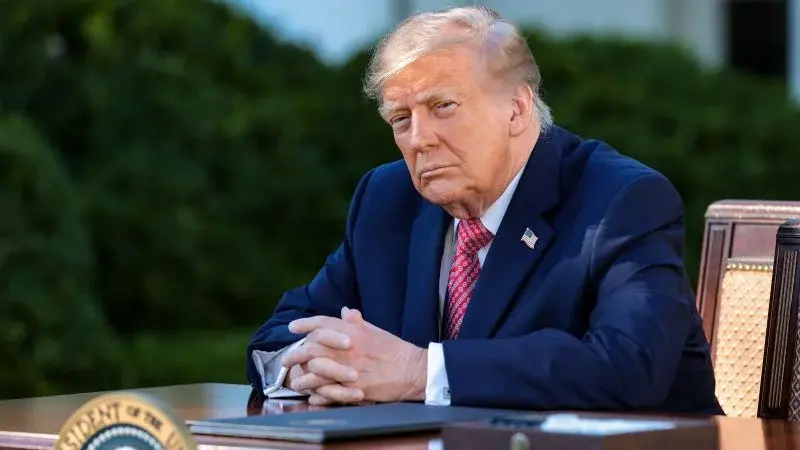
President Trump signed an executive order on Friday to waive new tariffs and sanctions on Russia, reversing a law signed just weeks earlier. The move, which suspends up to 500% tariffs on Russian imports, sparked immediate criticism from Republicans and raised questions about US support for Ukraine.
Key points
- Trump signed an executive order on Friday to waive new sanctions and tariffs on Russia, which were set to take effect two days later.
- The waived penalties were part of the Lindsey Graham Sanctions Act, signed into law by Trump in September.
- The order suspends tariffs of up to 500% on US imports from Russia and 100% on top importers of Russian oil and gas.
- Trump defended the move on Sunday, stating he is negotiating peace and does not want to drive Russia away from the bargaining table.
- Trump hinted at 'hostage negotiations' as part of the peace process, though he did not name any specific individuals.
- The decision drew sharp criticism from Republicans, including Sen. Darline Graham and outgoing Sen. Thom Tillis, who called it 'capitulating to a Russian dictator.'
Background
In September 2026, Trump signed the Lindsey Graham Sanctions Act, which included severe penalties for Russia. This followed a period where US tariffs had reached the highest levels since the 1930s, though they had since eased due to pauses with China and a Supreme Court decision. The current move reverses nearly five years of US sanctions against Russia following the 2022 invasion of Ukraine.
How outlets are covering it
CNN frames the move as a surprising reversal for a president who had previously embraced tariffs, noting the timing of the Friday announcement as a way to avoid political scrutiny. The New York Times emphasizes the broader strategic shift, highlighting Trump's hints at hostage negotiations and his criticism of Ukraine's President Zelensky. Both outlets report on the bipartisan outrage, but the NYT provides more detail on the administration's new approach to business deals with Russia, including a diesel fuel purchase and a potential deal for Lukoil.
Why it matters
The suspension of sanctions signals a significant shift in US foreign policy, potentially weakening leverage over Russia in the ongoing war with Ukraine. It also raises questions about the reliability of US trade and security commitments to allies, particularly in the lead-up to midterm elections.
What to watch
The administration has a 60-day window to analyze the economic impact of the sanctions before they potentially take effect. Trump and his negotiators, including Steve Witkoff and Jared Kushner, are expected to continue peace talks with Russia, possibly involving hostage releases and energy deals.
- ‘Tariff Man’ finally found tariffs he doesn’t like CNN
- Trump’s Overtures to Putin Put Republican Candidates in Hot Seat WSJ
- Trump faces bipartisan backlash over waiving Russia sanctions CBS News
- Trump Defends Plans to Ease Russia Sanctions and Hints at a Hostage Deal The New York Times
- Bessent says there was no sanctions relief for Russia after US diesel deal The Hill
Want the full story? Read the original reporting
Read on CNN