
Trump’s Final Midterm Rallies Blend Nostalgia with Chaotic Messaging
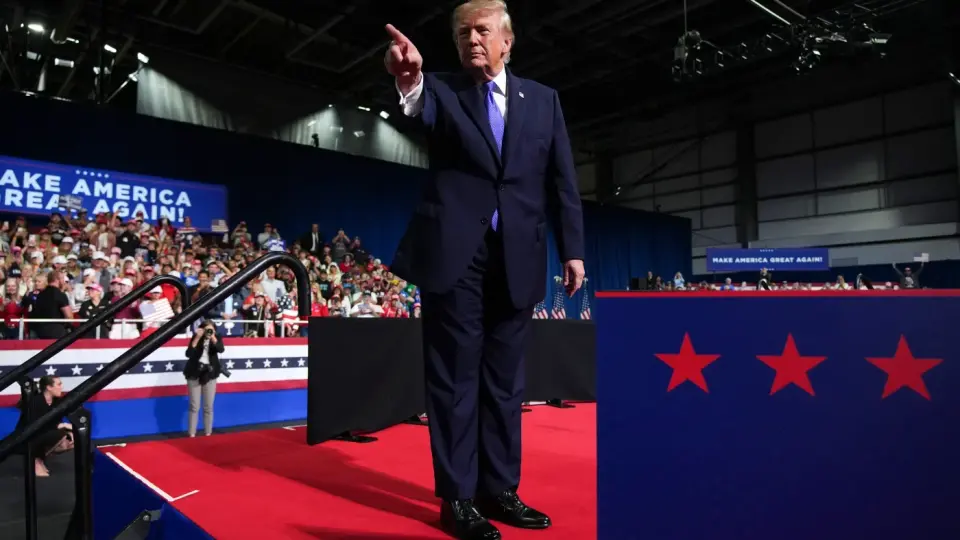
President Donald Trump concluded a grueling month of midterm campaigning with a series of rallies that emphasized nostalgia and personal loyalty over policy. Facing tight races in traditionally red states, Trump urged voters to 'pretend he is on the ballot' to support down-ballot candidates. His speeches featured erratic tangents, including jokes about Mar-a-Lago pricing and Senator Jon Husted’s physique, while dismissing concerns about high gas prices and the Iran war. Although he briefly canceled in-person events for tele-rallies due to fatigue, he reversed the decision to hold physical rallies in Iowa and Kansas. The campaign highlighted a disconnect between the president’s message and voter concerns regarding affordability, though loyal supporters remained engaged by the spectacle.
Key points
- Trump held over 25 rallies in October, focusing on red states where Republicans face political headwinds.
- He explicitly asked voters to 'pretend he is on the ballot' to support Republican Senate candidates.
- Trump reversed a decision to cancel in-person rallies in Iowa and Kansas, opting for physical appearances instead of tele-rallies.
- His speeches included controversial tangents, such as jokes about Mar-a-Lago costs and Senator Jon Husted’s body.
- Supporters described the rallies as a 'farewell tour,' with some fans traveling across the country to attend multiple events.
Background
This campaign follows a period of declining approval ratings and internal Republican divisions. Earlier coverage noted that approximately one in five former Trump voters in Georgia had shifted their allegiance, citing economic costs and foreign policy. Additionally, recent analysis suggested Trump’s speeches had become more profane and incoherent compared to his 2016 campaign. The current rallies occur amid concerns over high fuel prices and the ongoing war with Iran, which have made traditionally red states more competitive.
How outlets are covering it
NPR and CNN portrayed the rallies as a 'farewell tour' for Trump, emphasizing the emotional connection with loyal supporters and the spectacle of the events. They highlighted the 'pretend I'm on the ballot' plea as a central theme. The Atlantic, however, criticized the closing message as 'bizarre' and 'out of touch,' arguing that Trump’s focus on tangents like Husted’s physique and the Iran war ignored key voter concerns like affordability. CNN noted that while Trump claimed success in some races, such as Ohio, evidence suggested otherwise, and some attendees expressed disbelief at his claims about oil profits. The sources agreed on the chaotic nature of the speeches but differed on their effectiveness, with NPR and CNN focusing on the enthusiasm of the crowd and The Atlantic questioning the strategic value of the message.
Why it matters
The outcome of the 2026 midterms could determine control of the Senate and House, with key races in states like Ohio, Georgia, and Florida. Trump’s ability to mobilize base voters despite unpopular policies and high costs will influence the Republican Party’s future. The disconnect between his message and voter concerns may signal broader challenges for the GOP in future elections. Additionally, the 'farewell tour' dynamic suggests a shift in Trump’s political influence, as he is no longer on the ballot but still seeks to shape outcomes through personal appeals.
What to watch
Voting concludes on November 3, 2026. The results will determine the balance of power in Congress and potentially impact Trump’s legacy and the Republican Party’s strategy for the 2028 presidential election. Trump has indicated he will hold more rallies leading up to 2028, but the current midterms will test the durability of his support base. The outcome in key states like Ohio and Georgia will be closely watched as indicators of the party’s strength in red states.
- Trump thanks supporters for the memories in final campaign stops for 2026 midterms NPR
- Trump’s rally sprint had flavors of a farewell tour, MAGA crowds and an unexpected closing message CNN
- Donald Trump makes final pitch to restive voters in US midterms campaign Financial Times
- Trump Is Closing From Behind The Atlantic
- Eleven Hours of Trump: What We Saw on the Ground at Seven Rallies in Seven Days WSJ
Want the full story? Read the original reporting
Read on NPR