
Trump's UAP Science Council Faces Data Delays as Sixth File Batch Released
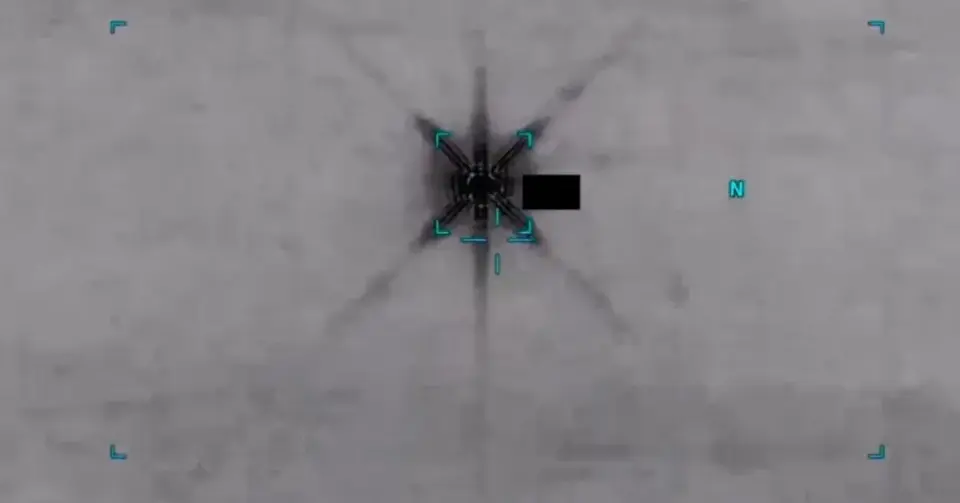
The Trump administration released its sixth batch of Unidentified Anomalous Phenomena (UAP) files in September 2026, spanning records from 1952 to 2025. Despite this, Harvard astrophysicist Avi Loeb, who chairs the newly formed UAP Science Council, reports that intelligence agencies have not yet provided the classified data necessary to verify potential extraterrestrial technology. While the files include intriguing footage of high-speed objects, Loeb notes they do not constitute definitive proof of alien life.
Key points
- The U.S. Department of War released the sixth batch of UAP files on September 18, 2026, under the Presidential Unsealing and Reporting System for UAP Encounters (PURSUE).
- Avi Loeb was appointed by President Trump in August 2026 to chair the UAP Science Council, tasked with reviewing government data for evidence of non-human intelligence.
- Loeb met with the Office of the Director of National Intelligence (ODNI) in late August to request classified data but reported receiving no new information as of late September.
- The released files include a 2025 video of six spherical objects moving at 480 mph and a 1952 audio recording from Project Blue Book director Edward Ruppelt.
- The Pentagon's All-domain Anomaly Resolution Office (AARO) maintains that the released files lack verifiable evidence linking incidents to alien technology.
Background
This release follows a 2023 shift in government terminology from 'UFO' to 'UAP' (Unidentified Anomalous Phenomena). Previous declassifications, including 2020 Navy videos and 2017 Pentagon program details, have fueled public interest. The current administration's push for transparency contrasts with historical secrecy, such as the 2008-2012 Advanced Aerospace Weapon System Applications Program (AAWSAP), which cost $22 million before being defunded.
How outlets are covering it
The New York Times frames the releases as a public knowledge test, highlighting the breadth of declassified material from the 1940s to 2025. Politico emphasizes the bureaucratic friction, noting that Loeb's council has struggled to access classified data despite ODNI's penalty-free zone for sharing information. Starlust.org focuses on Loeb's scientific assessment, pointing out that while the files contain 'remarkable' anomalies, such as supersonic silent flights, they do not yet prove extraterrestrial origin. Critics of Loeb, mentioned in Politico, argue he is too quick to attribute anomalies to aliens without excluding other explanations, while supporters view the lack of data release as a cover-up.
Why it matters
The outcome of this review could redefine U.S. national security protocols and scientific inquiry into extraterrestrial life. If the UAP Science Council confirms non-human technology, it would trigger a government preparedness plan for societal impact. Conversely, continued data withholding may deepen public skepticism regarding government transparency and the credibility of the administration's claims about UAP disclosure.
What to watch
The UAP Science Council will continue weekly meetings to await classified data from intelligence agencies. Loeb has indicated that the release of such data may be imminent following his August meeting with ODNI. The public will likely see further file releases as the administration continues its declassification efforts, with potential updates on the status of the preparedness plan for confirmed non-human intelligence.
- Six Questions From President Trump’s U.F.O. Files The New York Times
- Read One of the Recently Released U.F.O. Documents The New York Times
- Trump Promised the Truth About UFOs. These Scientists Are Waiting. Politico
- Aliens or not? Harvard ccientist Avi Loeb shares his thoughts on latest UFO files release starlust.org
- Pentagon begins releasing new files on UFOs and says people can 'make up their own minds' pbs.org
Want the full story? Read the original reporting
Read on The New York Times