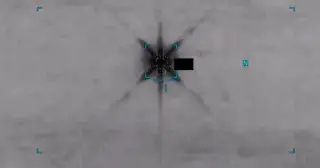
The Department of War published the second release of declassified UAP files under the PURSUE initiative on WAR.GOV/UFO, with additional releases planned and the site having drawn over a billion hits since May 8, 2026.
Pentagon released a declassified trove of Unidentified Anomalous Phenomena files—more than 160 documents detailing over 400 incidents from the 1940s to 2024 on a public site—some Apollo-era sightings among them. While no evidence of alien contact is presented and some cases are debunked, officials say the data will be released rollingly to boost transparency under the PURSUE framework, with NASA backing ongoing disclosures.
The Pentagon, with backing from the White House and intelligence agencies, began releasing new files on unidentified anomalous phenomena (UAPs) and says the public can draw their own conclusions; this rollout is part of a multi-year declassification effort, with experts cautioning against overinterpreting videos and noting no confirmed evidence of alien technology.
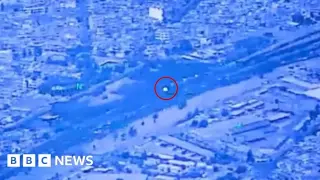
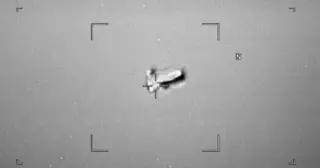
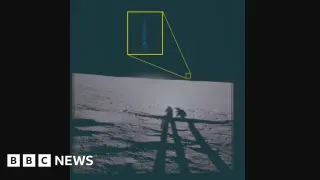
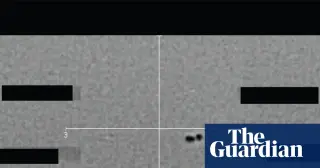
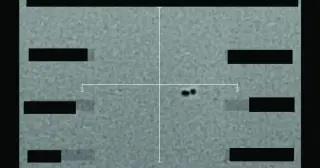
The Pentagon released 161 declassified documents on unidentified aerial phenomena, spanning Apollo Moon mission transcripts and astronauts’ sightings of flashes, plus civilian and military reports of hovering objects and 2022 Middle East footage of unresolved UAPs, prompting lawmakers to call for greater transparency and ongoing updates.
The White House released the first batch of declassified UFO-related documents from DoD, FBI, NASA and other agencies, including photos, videos and eyewitness interviews, with more files promised on a rolling basis. Officials say the goal is maximum disclosure so the American public can assess the material themselves, though analysts differ on whether the records advance understanding of unidentified phenomena. Contents include Apollo 17 materials and various witness accounts, with the Pentagon noting several cases remain unresolved. Reactions range from support for transparency to skepticism about significance and timing.
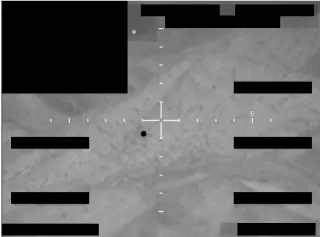
The Pentagon released its initial set of declassified files documenting unidentified anomalous phenomena (UAPs), including Buzz Aldrin’s 1969 sighting and various videos from military cameras. The release, ordered by President Trump and supported by agencies such as NASA and the FBI, aims to inform the public even as officials emphasize there is no conclusive evidence of extraterrestrial life. Additional files are expected in coming months, while past reviews have attributed most sightings to weather, misidentifications, or mundane explanations.
The Pentagon released 162 previously classified UFO/UAP files ordered by President Trump, spanning decades with documents from the FBI, NASA and others, and debuted a new online archive to promote transparency. Officials caution that many items were only screened for security and have not been fully analyzed, and no definitive evidence of alien life or technology has been confirmed; the move follows public chatter sparked by Obama’s remarks and ongoing political debate about distractions versus disclosure.
The Department of Defense has kicked off a public release of Unidentified Anomalous Phenomena (UAP) files, fulfilling a pledge tied to President Trump. The initial tranche from the DoD, State Department, NASA, and FBI includes eyewitness accounts of dusk-time orbs and other anomalies, plus images from Apollo missions. No definitive evidence of extraterrestrials is presented, and many materials remain classified or unanalyzed; more disclosures are expected.
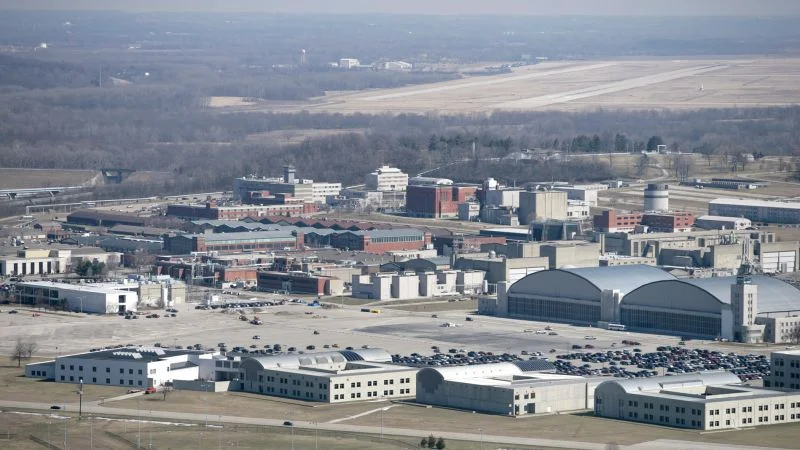
Wright-Patterson Air Force Base in Ohio has long been at the heart of U.S. aerospace research and unidentified aerial phenomena investigations, connecting Roswell lore to modern disclosures as officials deny alien involvement; renewed curiosity follows the disappearance of Gen. William McCasland and ongoing congressional scrutiny of UAPs, boosted by declassified videos and whistleblower testimony.
Interest in extraterrestrial life has surged again after Obama said aliens are real but offered no evidence; the piece traces past presidents’ ties to UFO lore—from Carter’s 1969 sighting and Voyager records to Reagan’s use of an alien threat metaphor and Clinton’s Area 51 research—alongside ongoing calls for government transparency and rumors of a forthcoming Trump speech, all against a backdrop of polls suggesting a majority of Americans believe extraterrestrial life exists.
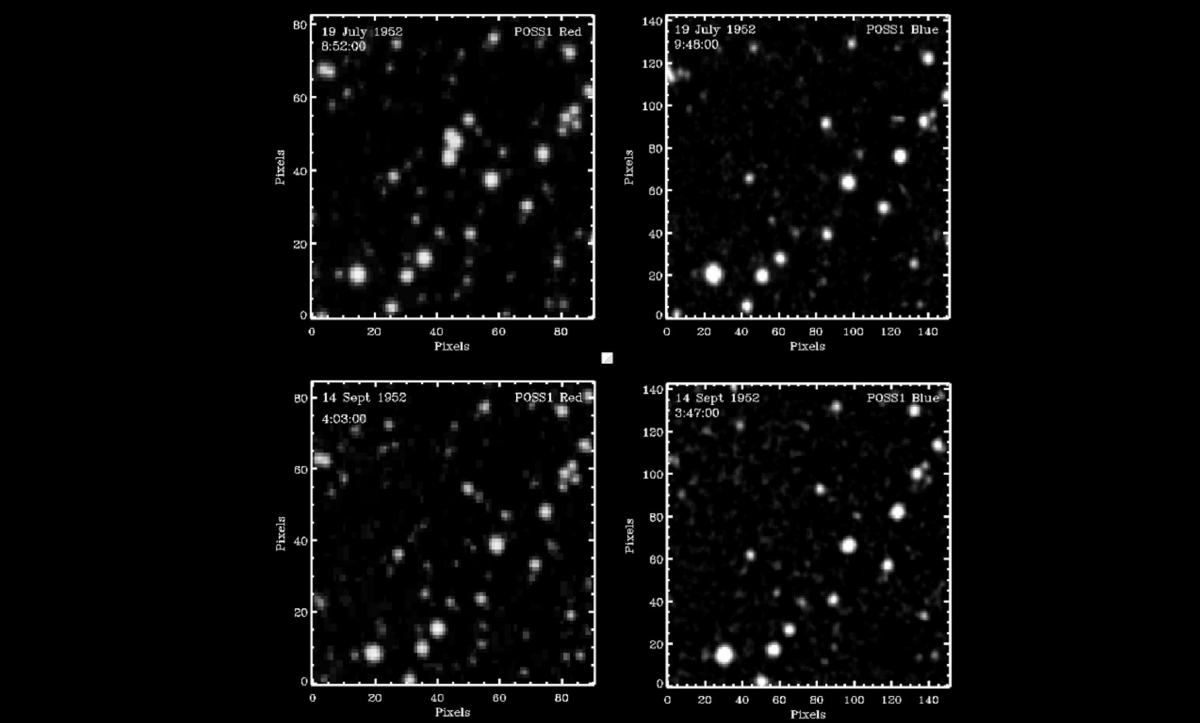
Researchers analyzing historical astronomical photographs found mysterious transient lights from 1949-1957, which correlate with nuclear tests and UAP reports, suggesting a possible link between nuclear activity and unexplained sky phenomena, though alternative explanations exist.
A study finds a statistical link between mysterious sky lights, UAP sightings, and nuclear testing in the mid-20th century, suggesting these phenomena are real and potentially connected to nuclear activity, based on archival astronomical data and eyewitness reports.
A study analyzing historical sky photographs from 1949-1957 found a significant correlation between mysterious transient objects, nuclear weapons tests, and UAP reports, suggesting a potential link between these phenomena, though their exact nature remains unknown.
A study analyzing historical sky survey data found small but significant associations between short-lived star-like transients, nuclear weapons testing, and reports of unidentified aerial phenomena (UAP), suggesting potential links that warrant further investigation.
A wildlife camera in Chile's Patagonia captured unexplained lights, possibly plasmoids or unidentified aerial phenomena, sparking scientific interest and ongoing investigation, with no conclusive explanation yet.