
US Midterms 2026: Polls Open in Vermont as Cost-of-Living Crisis Tests GOP Majority
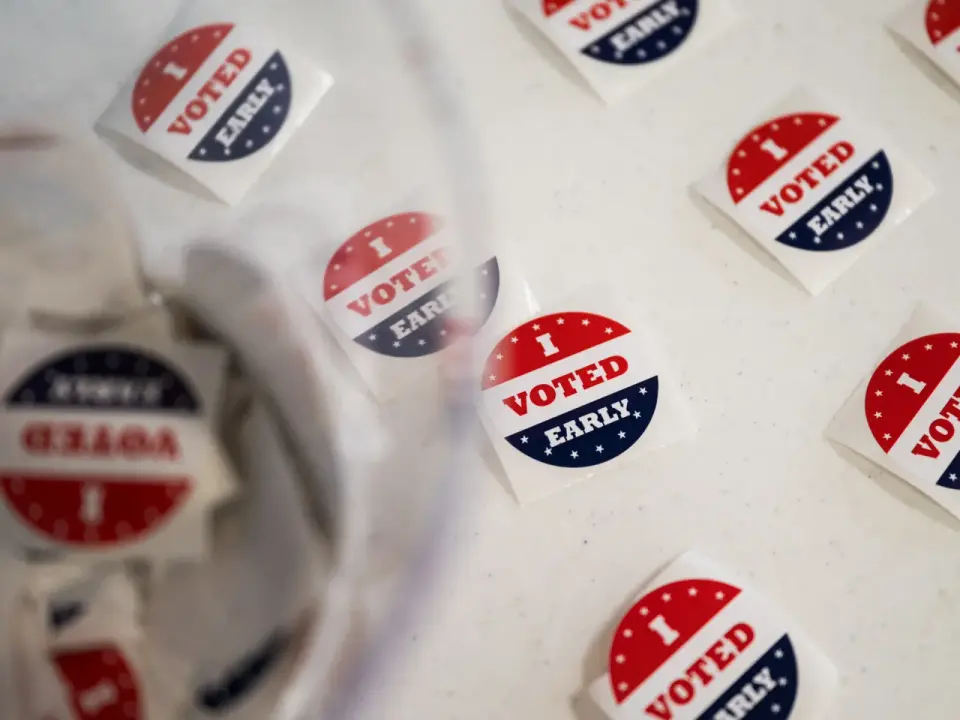
Voters across the US are casting ballots on November 3, 2026, to decide control of Congress. All 435 House seats and 35 Senate seats are up for grabs, with 36 states electing governors. Polls open at 5:00 AM in Vermont and close as late as 1:00 AM Eastern Time in Alaska. Republicans currently hold both chambers, but Democrats need a net gain of four Senate seats and three House seats to seize control. The election is viewed as a referendum on President Trump’s second term, particularly regarding economic hardship and the ongoing war with Iran.
Key points
- Polls open at 5:00 AM in Vermont and close between 6:00 PM and 1:00 AM Eastern Time, with Alaska last at 1:00 AM ET.
- Democrats require a net gain of four Senate seats and three House seats to achieve majorities in both chambers.
- Key Senate battlegrounds include Michigan, Georgia, Texas, Ohio, Maine, Alaska, and North Carolina.
- In Michigan, Democrat Abdul El-Sayed faces Republican Mike Rogers, who received a last-minute endorsement from Democrat Haley Stevens.
- In Texas, Democrat James Talarico challenges Republican Attorney General Ken Paxton, a race where Republicans have spent approximately $210 million.
- In Georgia, incumbent Democrat Jon Ossoff leads Republican challenger Mike Collins in polling.
Background
This election occurs halfway through President Trump’s second term, with his approval ratings at record lows. Previous coverage highlighted the high cost of the Ohio Senate race, exceeding $400 million, and the tight race in Florida’s Senate contest. Earlier polls indicated a 14-point lead for Governor Kathy Hochul in New York, while the Ohio race remained competitive despite heavy Republican spending. The current election is seen as a critical test for the GOP’s ability to maintain its congressional majority amid economic discontent.
How outlets are covering it
Al Jazeera focuses on the logistical details of voting hours and the specific races to watch, emphasizing the staggered nature of poll closures and the potential for delayed results. The Guardian frames the election as a referendum on Trump’s agenda, highlighting the impact of the war with Iran, tariffs, and immigration enforcement on voter sentiment. It notes the potential for a 'blue wave' and the risk of Republican refusal to accept results. BBC emphasizes the economic factors, particularly the cost of living and fuel prices, as the primary driver of voter dissatisfaction. It highlights the vulnerability of traditionally Republican states like Kansas and Texas, where Democrats are making significant inroads. Yahoo focuses on the political implications for Trump’s legacy, noting his extensive campaign efforts and the potential for a blue wave to impact his ability to drive policy. It also highlights the controversy surrounding Trump’s election eve speech, which focused on the Reflecting Pool renovation rather than the election itself. All sources agree on the significance of the election for congressional control and the potential impact on Trump’s remaining term, but differ in their emphasis on economic factors, political strategy, and the risk of election integrity issues.
Why it matters
The outcome of these midterms will determine the balance of power in Congress for the next two years, directly impacting Trump’s ability to advance his agenda. A Democratic victory in the House could lead to investigations and potential impeachment of cabinet members, while a Republican hold in the Senate would allow the party to maintain legislative control. The election also serves as a test for the GOP’s ability to retain support in traditionally safe states, with potential losses in places like Texas and Ohio signaling a shift in the political landscape. The results will also provide insights into the viability of Democratic strategies for the 2028 presidential election, particularly in competitive and deep-red states.
What to watch
Results will begin arriving as polls close, with initial tallies potentially misleading due to the staggered reporting of mail and early votes. Closely contested races may take hours or days to call, and final results in some states could take weeks. The outcome will determine which party controls Congress, with Democrats needing a net gain of four Senate seats and three House seats to achieve majorities. The results will also influence the trajectory of Trump’s remaining term, with a Democratic victory in the House potentially leading to investigations and legislative gridlock. The election will serve as a key indicator of voter sentiment on economic issues, the war with Iran, and immigration policy, with potential implications for the 2028 presidential race.
- What time do polls open and close in the US midterm elections 2026? Al Jazeera
- Forecasts of midterm blue wave put Trump’s legacy on line Yahoo
- US midterm elections 2026 live: Americans go to the polls in referendum on Trump’s agenda The Guardian
- Americans head to the polls for elections that could define Trump's closing chapter BBC
- Trump faces midterm verdict with control of Congress at stake Reuters
Want the full story? Read the original reporting
Read on Al Jazeera