
US Refugee Cap Set at 17,500 for 2027, Prioritizing Afrikaners Amid Global Shortage
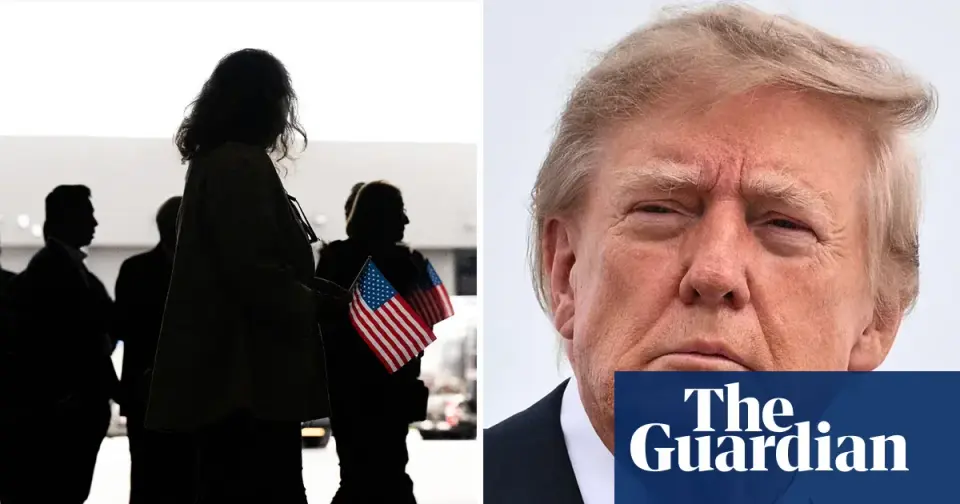
The US administration has set the refugee admission cap for fiscal year 2027 at 17,500, continuing a policy that prioritizes white Afrikaners from South Africa. While the cap remains low compared to previous years, nearly all slots are allocated to this specific demographic, leaving thousands of other vetted refugees stranded. The government is simultaneously spending $335,000 on an advertising campaign to attract more Afrikaner applicants, as current interest has fallen short of expectations.
Key points
- The US refugee cap for fiscal year 2027 is set at 17,500, a significant reduction from the 125,000 cap under the previous administration.
- In fiscal year 2026, 16,292 refugees were admitted, with nearly all being white Afrikaners from South Africa; only five were from Afghanistan.
- The administration is planning a $335,000 research and advertising campaign in South Africa to understand why Afrikaner applications have trended lower than expected since direct online applications began in November 2025.
- Refugee rights groups, including the International Rescue Committee and IRAP, argue that the policy abandons humanitarian need in favor of racial prioritization, leaving vetted refugees from countries like Iraq, Congo, and El Salvador in limbo.
- The South African government and its ambassador to the US have rejected the US claims of 'white genocide,' stating that such phenomena do not exist and that land reform policies address historical inequalities.
Background
This development follows a series of executive orders signed by President Trump in 2025 that suspended the US Refugee Admissions Program for all but a select few. Previous coverage noted that the administration imposed visa bans on South Africans and expanded sanctions, citing alleged anti-white discrimination. The current policy represents a continuation of these measures, with the 2027 cap determination published in September 2026. Earlier legal challenges by refugee organizations have been partially successful in halting certain detention policies, but the refugee admission restrictions remain largely intact, with ongoing litigation regarding the lack of transparency in exception processes.
How outlets are covering it
The Guardian and The Times of India highlight the humanitarian crisis faced by non-Afrikaner refugees, citing specific cases of families separated by policy changes. They emphasize the 'cruelty' of prioritizing a small demographic while ignoring thousands of vetted applicants. Counterpunch frames the policy as a 'Whites Only' initiative, criticizing the administration's reliance on conspiracy theories regarding 'white genocide' in South Africa. The Citizen notes the diplomatic tensions between Washington and Pretoria, pointing out that the US is spending millions to market a program that Afrikaners are not actively seeking. All sources agree on the numerical disparity in admissions but differ in their emphasis: US officials focus on 'humanitarian' protection for Afrikaners, while critics and South African officials focus on the discriminatory nature of the policy and the lack of evidence for the alleged persecution.
Why it matters
The policy fundamentally alters the US refugee system, shifting it from a humanitarian-based model to one that prioritizes racial and ethnic demographics. This has immediate consequences for thousands of individuals worldwide who are stranded in dangerous situations despite having completed the vetting process. It also strains diplomatic relations with South Africa and raises legal questions about the transparency and fairness of the refugee admissions process. The government's decision to spend public funds on an advertising campaign to attract a specific ethnic group, while other refugees are excluded, highlights a controversial approach to immigration that prioritizes political narratives over established humanitarian criteria.
What to watch
The US government is expected to proceed with the $335,000 advertising and research campaign in South Africa, targeting areas such as Pretoria and Orania, to boost Afrikaner applications. Legal challenges from organizations like IRAP will continue in federal courts, focusing on the lack of clear criteria for 'case-by-case' exceptions. The administration may face further diplomatic pressure from South Africa as tensions over trade and foreign policy persist. The effectiveness of the ad campaign in increasing applications will be a key metric for the administration's success in meeting its 17,500 cap for fiscal year 2027.
- Trump wants more Afrikaner refugees while others are stuck due to his ‘cruel’ policies The Guardian
- Trump’s Whites Only Refugee Policy Counterpunch
- US administration plans $335,000 ad campaign as Afrikaner refugee interest falls short The Times of India
- US may spend millions to find out why Afrikaners aren’t taking Trump’s refugee offer The Citizen
- Elaine Gross: We’re limiting legal refugees to white South Africans Herald Community Newspapers
Want the full story? Read the original reporting
Read on The Guardian