
Bay Area Jolt Highlights Hayward Fault's Looming Catastrophic Risk
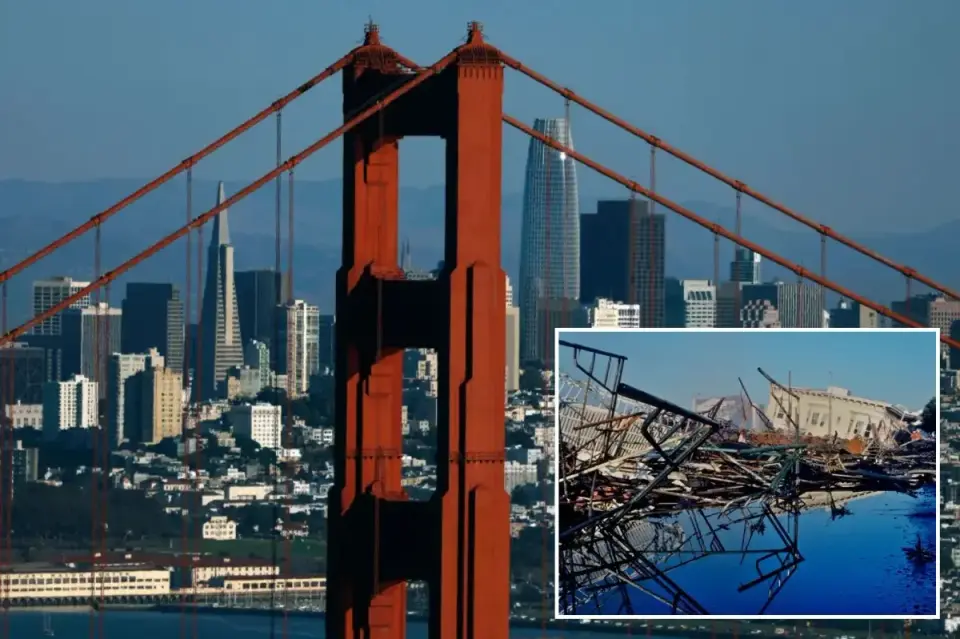
A magnitude 3.8 earthquake struck the Bay Area near the Oakland Zoo on August 13, 2026, triggering two aftershocks and shaking communities from Santa Rosa to Santa Cruz. The tremor occurred along the Hayward Fault, a 74-mile seismic line that last ruptured in 1868. While no immediate damage was reported, experts warn the fault is overdue for a major event. The USGS estimates a 14.3% chance of a magnitude 6.7+ quake by 2034. New simulations suggest a magnitude 7 rupture could cause shaking up to 50% stronger than previously forecast, potentially killing 800 people and displacing nearly half a million residents.
Key points
- A magnitude 3.8 earthquake hit near the Oakland Zoo and Bishop O’Dowd High School at 8:30 a.m. on August 13, 2026, followed by aftershocks of 3.0 and 2.8 magnitude.
- The epicenter lies on the Hayward Fault, which runs through densely populated areas including Berkeley, Oakland, and Fremont.
- The fault last experienced a major rupture in 1868, with major quakes occurring every 95 to 183 years.
- The USGS estimates a 33% probability of a magnitude 6.7 or greater earthquake on the fault by 2043.
- Simulations by Lawrence Livermore and Lawrence Berkeley National Laboratories indicate a magnitude 7 rupture could produce ground motion up to 50% stronger than earlier models predicted.
- A USGS disaster scenario projects a major quake could result in 800 deaths, 18,000 injuries, and the displacement of nearly 500,000 people.
Background
The Hayward Fault is part of the larger San Andreas system but is less famous, often described as a 'tectonic time bomb' due to its overdue status. Recent seismic research, such as studies on the Yakutat microplate in Alaska, highlights how complex plate boundaries influence earthquake nucleation, though the Hayward Fault's risk is driven by its proximity to dense urban centers. Unlike Japan's advanced early-warning systems that mitigate damage, California's exposure is heightened by the fault's potential for extreme ground motion in populated zones.
Why it matters
The recent tremor serves as a stark reminder of the Hayward Fault's volatility. With a high probability of a major rupture within the next two decades and updated models predicting significantly stronger shaking, the Bay Area faces severe infrastructure and human costs. The potential for hundreds of fires and tens of thousands of destroyed homes underscores the urgent need for preparedness and resilient construction in vulnerable communities.
What to watch
Authorities and scientists will likely continue monitoring the Hayward Fault for further seismic activity. The updated simulation data may prompt revisions to building codes and emergency response plans in the Bay Area. Public awareness campaigns may intensify as the 2034 and 2043 probability windows approach, urging residents to prepare for a potential magnitude 7 event.
- Little known California fault line experts warn is most volatile — as rapid-fire quakes strike Thursday New York Post
- San Leandro-Oakland earthquake: Magnitude 3.8 quake shakes near Oakland Zoo in Alameda County, USGS says ABC7 Bay Area
- Experts say the East Bay's Hayward Fault is ‘overdue' for a major earthquake NBC Bay Area
- PG&E trails S&P 500 by 2.2 points after Bay Area quake prompts 50,000 searches TechStock²
- Alameda Co.: 4.0-Magnitude Earthquake Reported Thursday Morning SFGATE
Want the full story? Read the original reporting
Read on New York Post