
USDA Releases 1982 Oregon Files Concluding Bigfoot Tracks Were a Hoax
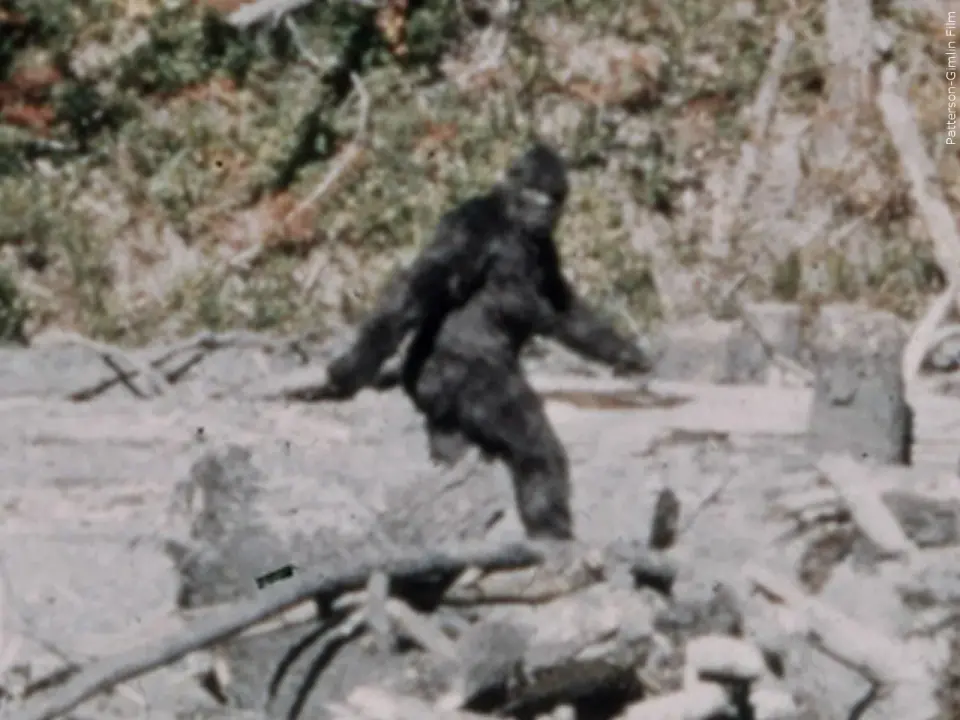
The U.S. Forest Service has added three historical documents to its Freedom of Information Act Reading Room, including a 1982 investigation into large footprints in Oregon’s Umatilla National Forest. While the release was framed by some as a major disclosure, the documents primarily contain debunking evidence rather than proof of a mythical creature. The core file details a 1982 assessment of tracks in the Mill Creek watershed, where investigators found inconsistencies in stride and depth that suggested a hoax. Other released materials include a 2003 newspaper clipping from Montana and a personal account from 1949, neither of which constitutes official government investigation. Experts note that while the files offer historical insight, they do not provide new scientific evidence to resolve the debate over Bigfoot’s existence.
Key points
- The U.S. Forest Service added three Bigfoot-related records to its FOIA Reading Room on October 15, 2026.
- The primary document is a 1982 memorandum regarding tracks found in Oregon’s Umatilla National Forest.
- Investigators concluded the 1982 tracks were likely a hoax due to inconsistent stride and unnatural displacement of forest litter.
- The release includes a 2003 Montana newspaper clipping and a 1949 personal account, neither of which are official investigations.
- Experts state the files do not provide novel evidence to change public opinion on the existence of Bigfoot.
Background
This release follows earlier coverage in November 2026 regarding the USDA’s disclosure of historical files. Previous reports noted that the documents were intended to debunk claims of a mythical creature, though some initial summaries incorrectly located the 1982 investigation in Washington state rather than Oregon. The release coincides with broader discussions about government transparency and the cultural significance of Bigfoot in American folklore.
How outlets are covering it
KTVZ emphasizes the scientific rigor of the 1982 Forest Service investigation, highlighting specific inconsistencies in the tracks that led to the conclusion of a hoax. The Telegraph frames the release as a fulfillment of a promise made by the Trump administration to release secret files, but notes that the documents do not provide new evidence to sway skeptics or believers. The Telegraph also highlights a separate 2010 report on a 'skinwalker' in Utah, which KTVZ does not mention, suggesting a broader scope of released materials than just the Oregon case. Both outlets agree that the files do not prove the existence of Bigfoot, but they differ in their emphasis on the cultural versus scientific implications of the release.
Why it matters
The release provides a rare look into how government agencies historically assessed cryptid reports, offering transparency into past investigations. It also highlights the enduring cultural fascination with Bigfoot in the United States, where a significant portion of the population continues to believe in the creature. The documents serve as a historical record of scientific skepticism and the challenges of verifying extraordinary claims in remote forest environments.
What to watch
The documents are now available for public review through the U.S. Forest Service FOIA Reading Room. Researchers and enthusiasts may analyze the photographs and memoranda for further insights into the 1982 investigation. There is no indication of further releases or new investigations into Bigfoot sightings at this time.
- USDA Quietly Releases Bigfoot Files, Included Cases in the Pacific Northwest KTVZ
- USDA releases decades of Bigfoot files, including 1982 investigation FOX 13 Seattle
- Read the document The New York Times
- Bigfoot believers get a boost from an unlikely ally: The U.S. Forest Service The Washington Post
- Trump officials release ‘evidence’ of Bigfoot The Telegraph
Want the full story? Read the original reporting
Read on KTVZ