
NASA Launches Statewide Bid for New Space Academy, Targeting 2028 Start
NASA has issued a Request for Information to all 50 states to select a host for the new United States Space Academy. The agency aims to break ground by 2027 and enroll the first 300 students in temporary facilities by 2028, with a permanent 300-acre campus operational by 2031. The institution is designed to train a pipeline of leaders for NASA, the Space Force, and the commercial aerospace sector, with graduates expected to serve in government roles in exchange for tuition-free education.
Key points
- NASA Administrator Jared Isaacman chaired the first Presidential Commission meeting on September 9, 2026, to define the academy's governance and curriculum.
- The Request for Information requires states to submit proposals by October 26, 2026, detailing land, infrastructure, and funding contributions.
- The academy will initially support 1,200 undergraduates, with potential expansion to 4,000, and will prioritize locations near existing NASA or university facilities.
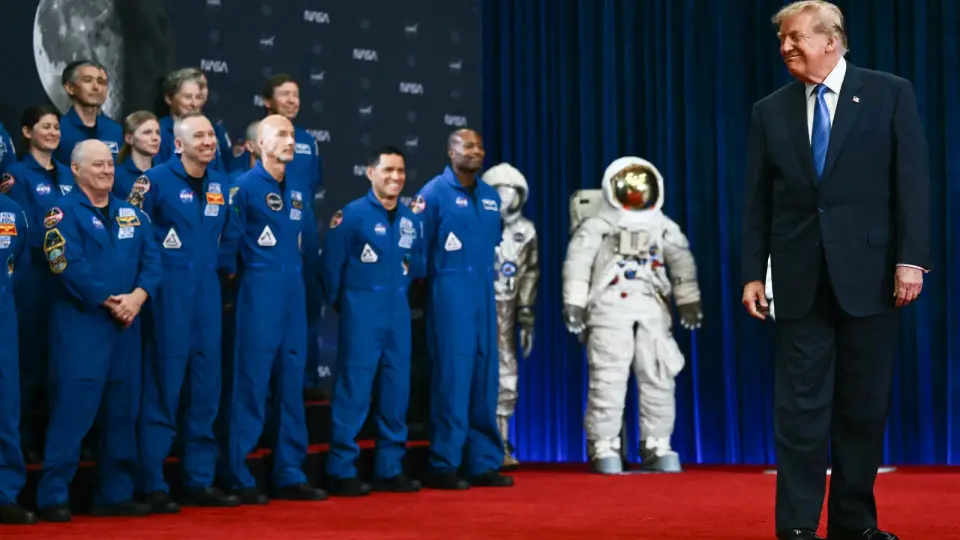
- The executive order was signed by President Trump on August 28, 2026, during a Congressional Space Medal of Honor ceremony at Johnson Space Center.
- The commission includes high-ranking officials such as Secretary of State Marco Rubio, Secretary of Defense Pete Hegseth, and Chief of Staff Susie Wiles.
Background
The proposal follows President Trump’s August 28 announcement at the Johnson Space Center, where he signed an executive order to establish the academy. This initiative builds on earlier discussions regarding the need for a dedicated institution to train space professionals, distinct from existing military service academies. The rapid timeline reflects the administration’s desire to implement the program before the 2026 midterm elections, ensuring the first class begins before Trump leaves office.
How outlets are covering it
NASA and the White House emphasize the academy’s role in securing US space dominance and training interdisciplinary leaders for both civilian and military sectors. NASA Administrator Jared Isaacman highlighted the 'boundless ambition' of future space leaders, while Deputy Administrator Matt Anderson stressed the need for states to offer competitive infrastructure and partnerships. In contrast, Democratic lawmakers have criticized the plan as duplicative and fiscally irresponsible. Senator John Hickenlooper called the initiative 'reckless' given the national deficit, noting it overlaps with the US Air Force Academy. Representatives Zoe Lofgren and George Whitesides argued that Congress must have a greater role in the decision-making process, which is currently dominated by a presidential commission. Florida and Texas are leading contenders, with Florida Congressman Mike Haridopolos citing the state's existing aerospace infrastructure and commercial launch capabilities as key advantages.
Why it matters
The establishment of the US Space Academy signals a strategic shift in how the US government prepares its aerospace workforce, moving away from reliance on traditional universities and military academies. By creating a dedicated institution with a service commitment model, the administration aims to ensure a steady pipeline of skilled personnel for NASA, the Space Force, and the commercial space industry. This move also highlights the increasing militarization and commercialization of space, as the academy is designed to produce 'warfighters' alongside scientists and engineers, reflecting the growing importance of space in national security and economic competition.
What to watch
States must submit their proposals by October 26, 2026. NASA will review and rate these submissions, which will then be evaluated by the Presidential Commission. President Trump is expected to make the final decision on the host state, likely favoring Republican-leaning regions. The first class is scheduled to begin in 2028 in temporary facilities, with a permanent campus to follow by 2031.
- NASA moving at warp speed to set up US Space Academy Ars Technica
- NASA Answers President’s Call to Establish United States Space Academy NASA (.gov)
- Space Academy Commission Holds First Meeting U.S. Department of War (.gov)
- Florida makes case to host new US Space Academy WESH
- Orange mayor candidate Messina pushes for President Trump’s space academy Orlando Sentinel
Want the full story? Read the original reporting
Read on Ars Technica