
NIH Grant Renegotiations Force Scientists to Alter Research to Avoid Political Censorship
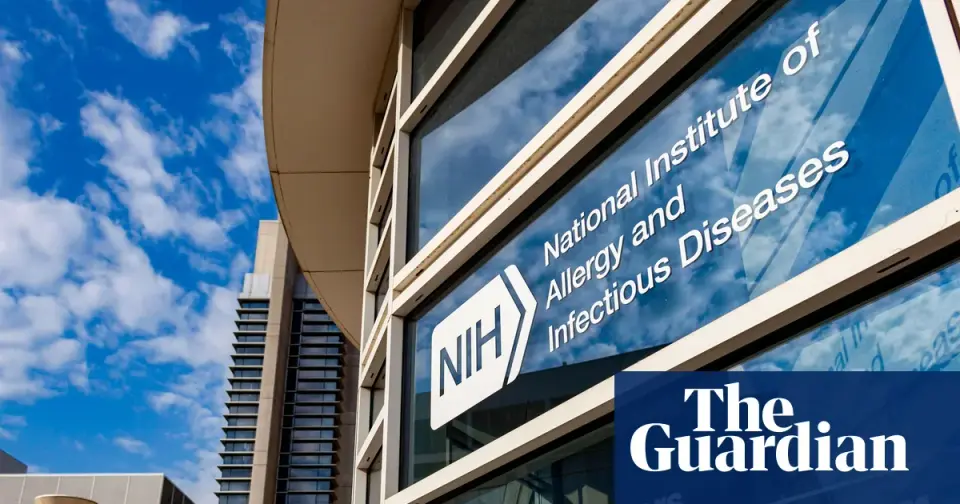
The Trump administration’s National Institutes of Health (NIH) has implemented a controversial 'renegotiation' process that forces researchers to alter grant language and scope to align with political priorities. This has led to widespread changes in funding, with HIV and health equity studies disproportionately affected. While the NIH claims these changes improve scientific rigor, critics and data suggest they constitute viewpoint-based discrimination, causing significant disruptions to medical research and morale.
Key points
- The NIH has renegotiated over 5,000 grants since 2025, often requiring researchers to remove terms related to gender identity, health equity, or basic income.
- Data from Grant Witness shows a 21-fold increase in grant text changes, with HIV-related grants seeing a 20.8% change rate in 2026.
- A first-amendment lawsuit led by researcher Jade Pagkas-Bather alleges the process is 'Orwellian' censorship, with a federal court hearing on class-action status scheduled for November 2026.
- The AAMC reports that 5,776 grants have been frozen or terminated since January 2025, with 1,175 not restored, leading to a drop in total NIH grants from 64,000 to under 57,000.
- Researchers are facing severe consequences, including halting clinical trials, cutting staff, and losing access to treatments for patients, as seen in cases at the University of Washington and Fred Hutch.
Background
This development follows a broader trend of federal funding cuts in 2025 and 2026, including the termination of over 5,700 NIH grants and the CDC's reduction of HIV outreach funding in Texas. Recent Supreme Court rulings have also blocked the administration from cutting $324 million in University of California research grants, citing First Amendment concerns.
How outlets are covering it
The Guardian and The Seattle Times emphasize the political nature of the changes, describing the NIH's 'text analysis tool' and 'renegotiation' process as a form of censorship that forces scientists to subvert peer-reviewed work. They highlight specific cases, such as the removal of 'gender identities' and 'basic income' from grants, and the disproportionate impact on HIV and health equity research. The AAMC focuses on the practical and long-term consequences, noting the loss of confidence in NIH funding, the drop in total grants, and the need for institutions to seek alternative funding. The Partnership for Public Service, while largely obscured by cookie notices, aligns with the narrative of eroding federal assistance and scientific independence. The NIH defends its actions as a normal process to ensure 'meritorious science' and replace 'non-scientific' concepts with 'objective' variables, but critics argue this is a pretext for political control.
Why it matters
The NIH is the world’s largest public funder of biomedical research, with a $48 billion annual budget. Disruptions to its funding process threaten not only scientific progress but also patient access to treatments and the stability of the U.S. research workforce. The legal and ethical implications of viewpoint-based discrimination in federal grant-making could set a precedent for future government interference in academic and scientific inquiry.
What to watch
A federal court hearing in November 2026 will determine whether the first-amendment lawsuit filed by Jade Pagkas-Bather and others will receive class-action status. The AAMC and other institutions are exploring new funding models and collaborations to mitigate the impact of NIH disruptions. The Supreme Court has already blocked some grant cancellations, and the ongoing legal battles will likely shape the future of federal research funding.
- ‘Orwellian’: HIV scientist’s ordeal lays bare Trump officials’ interference in grant-making The Guardian
- Cancer research at UW and Fred Hutch in peril after Trump cuts The Seattle Times
- Trump cuts erode federal assistance, jobs and science - 2026 data Partnership for Public Service
- Lost faith, new hope: How researchers have responded to NIH grant disruptions AAMC
Want the full story? Read the original reporting
Read on The Guardian