
GAO Report Warns Trump Cuts to Weather Satellites Could Create Decade-Long Forecasting Gap
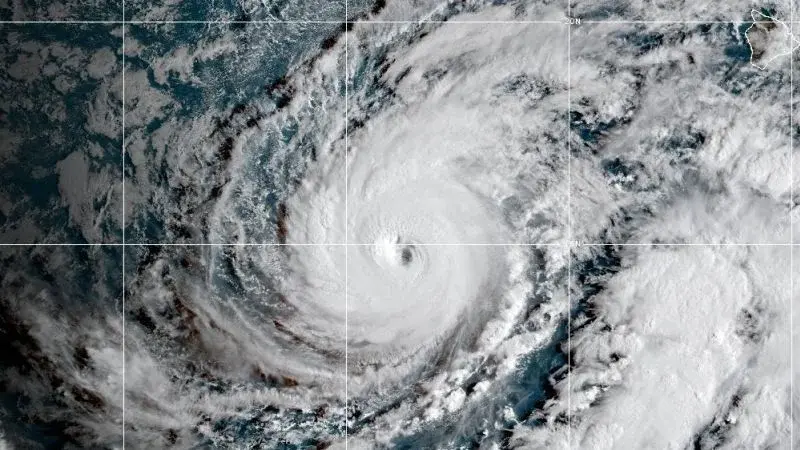
A new GAO report warns that budget cuts to the next-generation GeoXO weather satellite program could leave the US without critical geostationary coverage in the early 2030s. The administration reduced the satellite count from six to four and eliminated three key instruments, including a lightning mapper. Experts and lawmakers argue these moves will set back weather forecasting by a decade and potentially make the new satellites less capable than current ones.
Key points
- The GAO report highlights a potential gap in satellite coverage between the end of the current GOES-R series and the launch of the first GeoXO satellite in 2032.
- Budget cuts reduced the program's lifecycle cost from $19.6 billion to $13 billion but introduced significant risks to data continuity.
- The administration eliminated three instruments, including a Geostationary Lightning Mapper, which is crucial for tornado and hurricane prediction.
- The new constellation will have only two operational satellites (East and West) plus a backup, down from the planned three operational units.
- Democratic lawmakers sent a letter to NOAA demanding cost-benefit analyses for the removed instruments, calling the changes a 'concrete, tangible weakening' of US capabilities.
Background
This development follows earlier reports in 2025 where the Trump administration directed NOAA and NASA to reduce the GeoXO satellite count and narrow their scope to weather forecasting rather than broader climate research. The current GOES-R satellites, which carry the lightning mapper, have been operational since 2017 and are essential for monitoring extreme weather events.
How outlets are covering it
CNN and SpaceNews emphasize the technical and operational risks, noting that the new satellites may not improve upon current capabilities and could leave the US behind competitors like China and Europe. Democratic lawmakers, including Zoe Lofgren and Gabe Amo, frame the cuts as a deliberate weakening of national safety and scientific capacity. In contrast, House Science Committee Chairman Brian Babin, a Republican, expressed hope that the administration's restructuring would address GAO concerns, though he acknowledged questions remain about the program's timeline and cost-effectiveness. While CNN and SpaceNews focus on the loss of specific instruments, Babin's statement focuses on fiscal accountability and management oversight.
Why it matters
A gap in geostationary satellite coverage could severely degrade the accuracy of weather forecasts, impacting public safety, aviation, and disaster response. The removal of specific instruments like the lightning mapper reduces the ability to predict tornadoes and monitor hurricane intensification, potentially increasing the economic and human cost of extreme weather events.
What to watch
NOAA is expected to respond to the Democratic lawmakers' letter regarding cost-benefit analyses for the removed instruments. The first GeoXO satellite is scheduled for launch in 2032, but the GAO's warnings about a potential coverage gap in the early 2030s suggest that the timeline and technical readiness of the program remain under intense scrutiny from both Congress and the public.
- Trump admin cuts to satellites will set back US weather forecasting by a decade, experts say CNN
- GAO report flags risk of geostationary weather satellite data gap SpaceNews
- A Foggy Forecast for the Next Generation of Weather Satellites U.S. Government Accountability Office (.gov)
- Aging weather satellites raise concerns about future forecasting capabilities newscentermaine.com
- Chairman Babin Responds to GAO Report on NOAA's Next-Generation Weather Satellite Program House.gov
Want the full story? Read the original reporting
Read on CNN