
New England's 'Elite' Fall Foliage Outshines Drought-Stricken Colorado
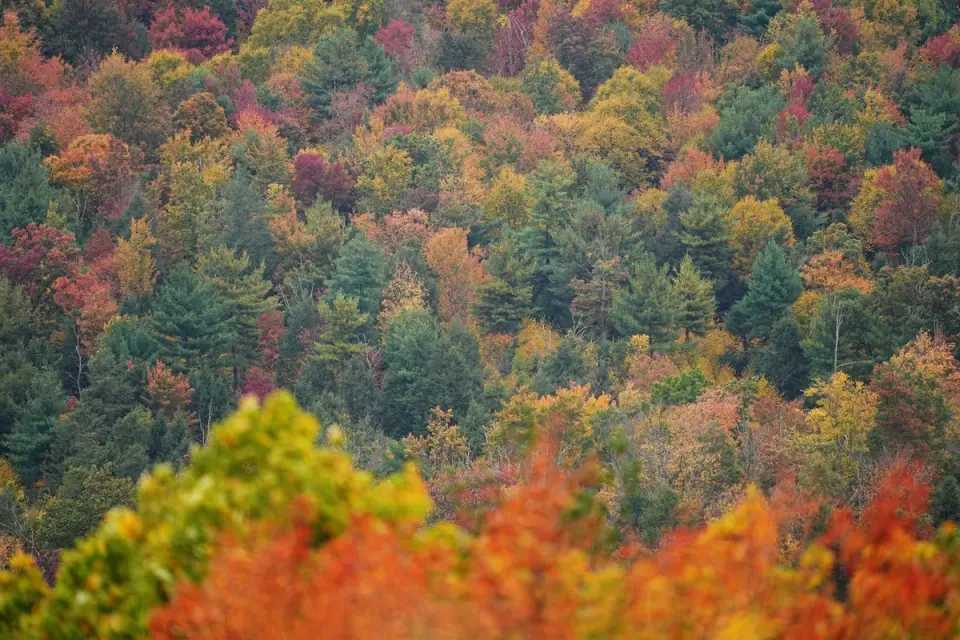
New England is experiencing an 'elite' fall foliage season due to favorable weather conditions, while Colorado faces a lackluster display caused by extreme drought. The vibrant colors in the Northeast are attributed to adequate spring and summer rainfall, combined with warm days and cool nights that trap sugars in leaves, producing intense red pigments. In contrast, Colorado's severe drought has hindered the development of typical autumn colors. This disparity highlights how regional weather patterns significantly impact the timing and intensity of leaf-peeping across the United States.
Key points
- New England is currently experiencing an 'elite' fall foliage season, characterized by vibrant and widespread color changes.
- The exceptional foliage in New England is attributed to adequate rainfall during spring and summer, as well as warm days and cool nights leading into fall.
- Colorado is experiencing a lackluster fall foliage season due to extreme drought conditions, which have hindered the development of autumn colors.
- The process of fall foliage involves the cessation of chlorophyll production, allowing orange and yellow pigments to become visible, while cold nights trap sugars that produce red pigments.
- Kyle Cotner, owner of The Foliage Report website, tracks fall foliage across the U.S. and has identified these regional disparities in color intensity.
Background
Fall foliage is a seasonal phenomenon where trees change color due to changes in temperature and daylight. Previous coverage from our archive focused on unrelated topics, such as NFL performance and brand collaborations, but this story highlights the impact of weather on natural phenomena. The current report emphasizes the role of specific weather conditions in determining the quality of fall foliage across different regions.
How outlets are covering it
The Independent and Star Beacon both report on the 'elite' status of New England's fall foliage, attributing it to adequate rainfall and favorable temperature patterns. However, The Independent focuses more on the general phenomenon and the tracking of foliage across the U.S., while Star Beacon provides additional context on the lackluster foliage in Colorado due to extreme drought. Both sources agree on the scientific explanation for fall foliage, but Star Beacon offers a more detailed comparison between regions, highlighting the impact of drought on color development.
Why it matters
The quality of fall foliage is not just a matter of aesthetics; it reflects broader climate patterns and their impact on natural phenomena. The disparity between New England's 'elite' foliage and Colorado's lackluster display underscores the importance of weather conditions in determining the timing and intensity of seasonal changes. This information is valuable for tourists, photographers, and those interested in understanding the effects of climate on natural environments.
What to watch
As fall progresses, the foliage in New England is expected to continue its vibrant display, while Colorado may see limited color changes due to ongoing drought conditions. The Foliage Report website will likely continue to track and update the status of fall foliage across the U.S., providing insights into regional variations and the impact of weather on natural phenomena.
- New England is having an 'elite' fall foliage year but there's majestic views elsewhere too The Independent
- WATCH LIVE: New England’s having an ‘elite’ year, but there’s fall foliage elsewhere, too AP News
- Fall foliage tracker: Here’s where the colors are the best right now across New England The Boston Globe
- 'Elite' fall foliage breaks out; Great Pumpkin takes flight; Eagles QB grounded; Bird flu kills bald eagle Jackie; AI wipes out thousands of grocery jobs Temple Daily Telegram
- AP Trending SummaryBrief at 1:29 p.m. EDT Star Beacon
Want the full story? Read the original reporting
Read on The Independent