
Nobel Prize honors optogenetics pioneers for light-based brain control
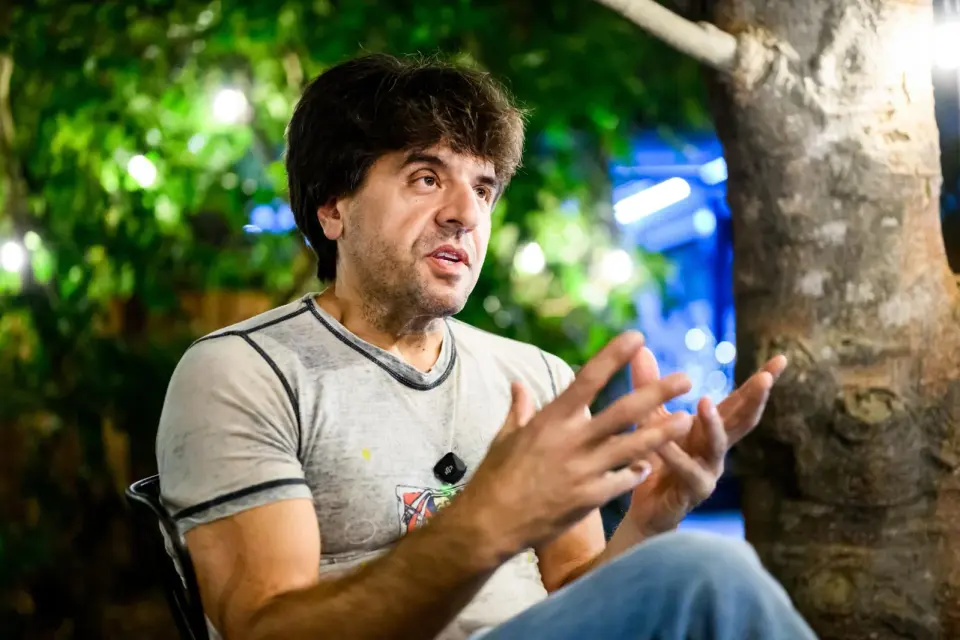
The 2026 Nobel Prize in Physiology or Medicine was awarded to Karl Deisseroth, Peter Hegemann, and Georg Nagel for developing optogenetics. This technique uses light to activate or inhibit specific neurons in living brains, enabling precise study of neural circuits. The discovery, rooted in algae-derived proteins, offers new pathways for treating conditions like blindness, depression, and Parkinson’s disease.
Key points
- Karl Deisseroth, Peter Hegemann, and Georg Nagel won the 2026 Nobel Prize in Physiology or Medicine for their work on optogenetics.
- Optogenetics uses light-gated ion channels from single-celled algae to control the activity of individual neurons in living brains.
- The technique allows researchers to precisely activate or inhibit specific neural circuits, overcoming limitations of electrical stimulation and drugs.
- Deisseroth’s work has already been tested in humans with retinitis pigmentosa, restoring light sensitivity to blind patients.
- The method is being applied to study and potentially treat depression, Parkinson’s disease, and social behavior disorders.
Background
Our archive from October 2026 confirms the award was announced on October 5, 2026, and highlights the broader significance of optogenetics in mapping brain functions. Earlier coverage also noted the persistent gender gap in science Nobels, though this award does not alter that historical trend.
How outlets are covering it
WBUR emphasizes Deisseroth’s personal reaction and the potential for optogenetics to explain psychiatric suffering by identifying specific neural circuits. The New York Times focuses on the technical mechanism, highlighting light-gated ion channels and the precision of the tool. Stanford University provides a detailed historical account, noting Deisseroth’s 2004 breakthrough and the collaboration with UC San Francisco researchers to reverse Parkinson’s symptoms in mice. All sources agree on the transformative impact of the technique, but WBUR and Stanford stress its clinical potential, while The New York Times emphasizes its role as a basic research tool.
Why it matters
Optogenetics provides a precise, fast, and reversible method to manipulate neural activity, enabling researchers to identify the biological basis of complex behaviors and disorders. This could lead to targeted treatments for psychiatric and neurological conditions, moving psychiatry away from imprecise drug therapies toward cell-specific interventions.
What to watch
Researchers will continue to apply optogenetics to map neural circuits for disorders like depression and Parkinson’s disease. The technique may also be adapted for human gene therapy to restore function in conditions like paraplegia or blindness. Deisseroth’s lab will likely expand its training programs and share protocols to accelerate global adoption.
- What is optogenetics? Nobel Prize winner Karl Deisseroth explains how light could help treat brain disorders WBUR
- Nobel Prize in Physiology or Medicine Is Awarded for Discoveries in Neuroscience The New York Times
- Karl Deisseroth wins Nobel Prize Stanford University
- The Nobel for medicine goes to lighting up the brain The Economist
- US and German scientists win Nobel medicine prize for work on light and brain Reuters
Want the full story? Read the original reporting
Read on WBUR